As more homeowners seek sustainable options, the question arises: can solar panels be used as a patio cover? This innovative idea merges energy efficiency with outdoor living. Using solar panels as patio covers allows for effective shade while harnessing sunlight for electricity.
Imagine enjoying a summer afternoon beneath a solar-covered patio. The panels not only protect you from harsh UV rays but also contribute to your electricity needs. This multifunctional approach can significantly reduce energy bills. However, potential buyers must consider installation costs and weight issues.
While the concept holds promise, it may not suit every home. Factors like local climate, roof structure, and shading must be evaluated. Homeowners should seek professional advice to explore feasibility. The integration of solar technology into everyday spaces opens doors for energy independence while embracing nature.
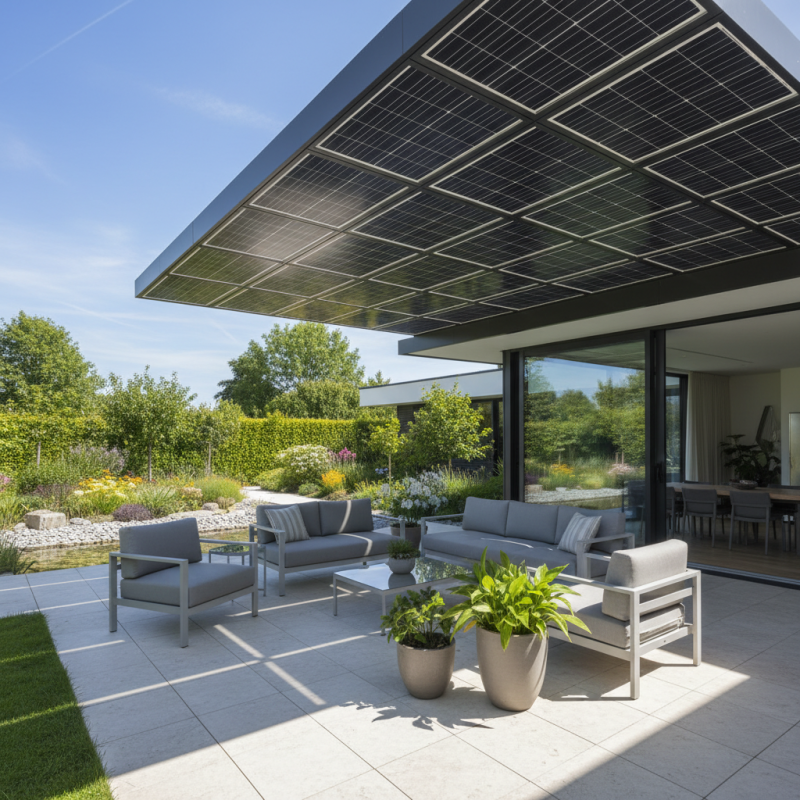
The integration of solar panels into patio structures is a groundbreaking concept. Such designs enable homeowners to enjoy outdoor spaces while harnessing renewable energy. These innovative covers create shaded areas where family and friends can gather comfortably during sunny days. The sleek appearance of solar panels can enhance modern aesthetics, blending functionality with style.
Using solar panels as patio covers can sometimes lead to unexpected challenges. For example, the initial installation may require significant upfront investment and professional expertise. Homeowners must also consider local regulations and ordinances, as these can vary widely. Moreover, frequent cleaning and maintenance may be necessary to ensure maximum energy efficiency.
Yet, the benefits often outweigh these concerns. Solar panel patio covers can significantly reduce energy costs. They provide a dual purpose: shelter from the elements and a source of renewable energy. This approach encourages sustainable living while enhancing outdoor experiences. It invites homeowners to rethink traditional outdoor spaces and embrace innovative energy solutions.
| Method | Benefits | Installation Type | Aesthetic Appeal |
|---|---|---|---|
| Retractable Solar Panels | Flexibility to adjust shade | Manual/Electric | Modern and sleek design |
| Fixed Solar Canopies | Permanent shade and energy production | Fixed Installation | Stylish and functional |
| Pergola with Solar Panels | Aesthetic appeal and energy savings | Custom-built | Rustic charm |
| Solar Shade Structures | Excellent UV protection | Pre-fabricated | Contemporary appearance |
| Solar Roof Panels | Maximized energy generation | Roof Integration | Seamless look |
| Integrated Solar Windows | Dual function | Window Replacement | Chic and modern |
| Solar Pergola Cover | Enhances patio usability | Custom design | Artistic flair |
| Solar Lattice Panels | Partial shade and energy production | DIY or professional | Stylish and airy ambiance |
| Solar Awning | Extend living space outdoors | Wall-mounted | Elegant facade |
| Canopy with Solar Panels | Provides shaded area | Portable/Fixed | Versatile design |
: They provide shelter from weather and generate renewable energy. They also enhance outdoor aesthetics.
Yes, the initial investment can be significant. Professional expertise may be required for installation.
They create shaded areas for gathering and protect against elements, making outdoor activities enjoyable.
Local laws vary. Homeowners must check regulations before installation to avoid potential legal issues.
Regular cleaning and upkeep are vital for ensuring energy efficiency and maintaining aesthetics.
Yes, options range from minimalist to intricate designs. Choose styles that complement your home.
Ignoring maintenance can reduce energy production and affect visual appeal.
Yes, they encourage renewable energy use while enhancing outdoor experiences.
Some may find designs overwhelming or too industrial. Personal taste is important in the selection process.
The article "10 Best Ways Solar Panels Can Be Used as Patio Covers" explores the innovative integration of solar panels into patio structures, emphasizing their dual functionality. It discusses various types of solar panels that are suitable for patio cover applications, highlighting their ability to generate energy while providing shelter. Additionally, the article addresses how solar-powered patios not only enhance outdoor aesthetics but also offer protection from the elements, making outdoor spaces more enjoyable.
Moreover, the article delves into the cost considerations associated with installing solar panels as patio covers and examines the return on investment. By addressing the question, "Can solar panels be used as a patio cover?" the article ultimately showcases the practicality and benefits of utilizing solar energy in outdoor designs, combining functionality with sustainability.

 Trike Solar