Why Are Bifacial Solar Panels Better for Ground Mount Systems?

Time:2026-07-07 Author:Amelia
0%

Bifacial solar panels have gained significant traction in the renewable energy sector. This shift is primarily due to their efficiency and adaptability. Research from the National Renewable Energy Laboratory (NREL) shows that bifacial panels can produce 10-20% more energy compared to traditional monofacial panels. This advantage is particularly pronounced in ground mount systems, where the reflective surfaces beneath the panels can enhance energy output.

Why are bifacial solar panels better for ground mounts? The answer lies in their ability to harvest solar energy from both sides. Ground mount installations often utilize light-colored materials for optimal reflection. This setup maximizes light absorption, leading to higher electricity generation. Furthermore, studies reveal that dirt and debris accumulate less on bifacial panels, reducing maintenance costs.

Adopting bifacial technology also aligns with industry trends. According to a report by IHS Markit, bifacial solar deployments are expected to reach 16 gigawatts by 2024. This data underscores a growing market preference. However, the initial costs might deter some investors. Balancing expenses with the long-term gains can be challenging. Therefore, reflecting on the benefits is crucial for decision-makers in the renewable energy sector.
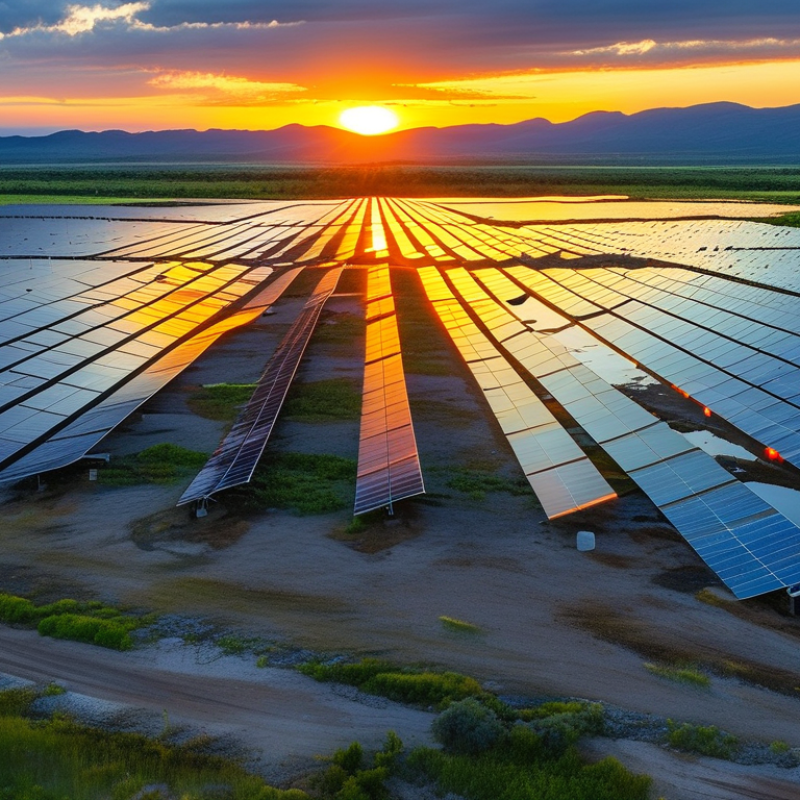
Why Are Bifacial Solar Panels Better for Ground Mount Systems?

Benefits of Bifacial Solar Panels Over Traditional Monofacial Panels

Bifacial solar panels present several advantages over traditional monofacial panels, particularly for ground mount systems. These advanced panels harness sunlight from both sides, improving energy capture. According to industry reports, bifacial panels can generate up to 30% more energy than their monofacial counterparts. This increased efficiency is especially notable in locations with reflective surfaces, such as sand or snow, which can enhance the performance of the rear side.

The durability of bifacial panels also contributes to their appeal. Although they may carry a higher initial cost, their lifespan and reduced degradation rates often result in lower long-term expenses. Studies indicate that these panels can last over 30 years, whereas monofacial panels often need replacement after 25 years. Ground mount installations leverage this durability by positioning panels at optimal angles to maximize sunlight exposure, yet they also require sufficient maintenance to address potential grounding issues and ensure longevity.

Despite these benefits, the installation of bifacial panels is not without challenges. The requirement for proper site selection and installation techniques is crucial. Misalignment or improper spacing can diminish their performance. While bifacial panels are becoming increasingly popular, their effectiveness depends significantly on site conditions. Engaging professional installers with experience in bifacial technology can optimize performance and mitigate risks associated with poor setup.

Why Are Bifacial Solar Panels Better for Ground Mount Systems? - Benefits of Bifacial Solar Panels Over Traditional Monofacial Panels

Feature Bifacial Solar Panels Monofacial Solar Panels
Energy Generation Higher energy production due to double-sided absorption Single-sided energy production
Installation Flexibility More adaptable to various setups, especially ground mounts Limited to traditional setups
Land Utilization Optimal land usage with higher output per area Lower output, requiring more space
Durability Generally more durable with a longer lifespan Standard durability
Return on Investment (ROI) Higher ROI due to increased energy harvest Lower ROI due to reduced energy yield
Cost Higher initial investment Lower initial cost

Mechanism of Light Capture in Bifacial Solar Panels

Bifacial solar panels have become increasingly popular for ground mount systems. Their unique design allows them to harness sunlight from both sides. This dual-sided capability makes them particularly effective in environments with reflective surfaces, such as snow or water.

Essentially, bifacial panels can capture albedo light. According to a recent report by the National Renewable Energy Laboratory (NREL), this additional light can improve energy yield by 10% to 20%. The extent of this gain depends significantly on the reflectivity of the ground and the angle of sunlight. Factors like dirt accumulation or shade from nearby structures can reduce the overall efficiency, highlighting potential installation challenges.

Studies indicate that optimal energy capture occurs in specific conditions. Ideal placement in open fields ensures adequate light exposure and minimal obstruction. Yet, installation on uneven terrain may lead to reduced performance. Regular maintenance is crucial to maintain reflective surfaces. Therefore, while bifacial panels provide substantial benefits, they also require careful planning and consideration in deployment.

Ground Mount System Configuration Advantages for Bifacial Panels

Bifacial solar panels are gaining popularity, particularly in ground mount systems. Their design allows for energy capture from both the front and rear sides, which increases efficiency in various installations. Ground mount systems offer unique advantages, optimizing the benefits of bifacial technology.

One significant benefit is flexibility in installation. Ground mount systems enable panels to be positioned at optimal angles. This maximizes sunlight exposure throughout the day. In addition, the ground conditions can enhance energy yield. For instance, reflective surfaces like sandy soil or water can boost energy generation from the rear side of the panels.

Moreover, durability is a crucial factor. Bifacial panels tend to have longer lifespans due to their robust construction. However, consideration of proper installation is vital. Improper alignment can lead to reduced efficiency. Regular maintenance checks can help maintain optimal performance. Ground mounts can also face challenges from environmental factors like dirt accumulation, which requires timely cleaning.

It’s important to recognize these aspects to achieve the best results from bifacial solar panels.

Increased Energy Yield and Efficiency in Bifacial Installations

Bifacial solar panels offer significant advantages for ground mount systems, particularly in terms of energy yield and efficiency. These panels can capture sunlight from both sides, which substantially increases their overall power generation. According to the National Renewable Energy Laboratory, bifacial modules can enhance energy yield by 10% to 20%, depending on installation specifics and ground reflectivity.

The efficiency of bifacial installations can also be attributed to their ability to utilize albedo effects. When mounted over reflective surfaces, such as white gravel or light soil, they can harness additional sunlight reflected from the ground. A study by Solar Power World indicates that certain bifacial setups can achieve efficiency levels exceeding 400 watts per panel under optimal conditions. However, this technology can introduce complexities in installation and orientation.

Despite these benefits, there are challenges that require consideration. The initial cost of bifacial panels can be higher than traditional mono-facial options. Additionally, their performance can vary based on environmental factors, such as weather and geographical location. Users must evaluate the long-term return on investment carefully. Embracing this technology requires ongoing reflection on evolving industry standards and practices.

Environmental Impact and Durability of Bifacial Solar Panels

Bifacial solar panels have gained attention for their environmental impact and durability. These panels capture light from both sides, which increases energy production. This efficiency makes them a sustainable choice for ground mount systems. They can thrive in various climates, showing resilience against harsh weather.

One key factor in the environmental benefits of bifacial panels is their long lifespan. Unlike traditional panels, which may degrade faster, bifacial panels endure better over time. Their robust construction often involves materials that minimize environmental harm. This durability reduces the need for replacements.

Tips: Choosing the right location for installation can significantly enhance their performance. Consider a site that maximizes sunlight exposure and reflects light onto the rear side of the panels. Regular maintenance, while low, still matters. Clean the surface occasionally to ensure optimal energy capture. Effective planning can enhance both energy output and long-term sustainability.

Environmental Impact and Durability of Bifacial Solar Panels

FAQS

: What are the advantages of bifacial solar panels?

: Bifacial panels capture sunlight from both sides, improving energy efficiency and generating more power.

How much more energy can bifacial panels generate compared to traditional panels?

They can produce up to 30% more energy under optimal conditions.

What factors enhance the performance of bifacial panels?

Reflective surfaces like sand or snow can significantly improve energy capture from the panel's rear side.

How long do bifacial panels typically last?

They can last over 30 years, providing long-term benefits despite higher initial costs.

What challenges exist regarding the installation of bifacial panels?

Proper alignment and spacing are crucial; any mistakes can reduce their overall efficiency.

What factors should be considered for site selection when installing bifacial panels?

Ground reflectivity and environmental conditions play a significant role in their performance.

Why is regular maintenance important for bifacial panels?

Regular checks prevent dirt accumulation and maintain optimal energy output.

Can bifacial panels increase energy yield significantly?

Yes, they can enhance energy yield by 10% to 20%, especially over reflective surfaces.

What complexities might arise during bifacial panel installation?

Installation might require specific orientation and experience to achieve best results.

How can users ensure a good return on investment for bifacial panels?

Careful evaluation of costs and ongoing performance assessments are necessary for long-term success.

Conclusion

Bifacial solar panels have gained attention for their superior performance in ground mount systems, leading to the question: "Why are bifacial solar panels better for ground mounts?" One key advantage is their ability to capture sunlight from both sides, enhancing energy yield and efficiency compared to traditional monofacial panels. This dual light capture mechanism allows for greater overall energy output, particularly in environments where ground reflection can contribute significantly to power generation.

Moreover, the configuration of ground mount systems maximizes the benefits of bifacial technology, allowing for optimal positioning and spacing that can further enhance performance. Additionally, bifacial solar panels typically exhibit greater durability and a lower environmental impact, making them a sustainable choice for solar installations. Ultimately, these advantages highlight why bifacial solar panels are increasingly preferred for ground mount applications, offering a compelling solution for clean energy generation.

Amelia

Amelia

Amelia is a seasoned marketing professional with a wealth of expertise in our company’s core offerings. With an unwavering passion for driving growth and innovation, she plays a pivotal role in shaping our marketing strategies and enhancing brand visibility. A key aspect of her responsibilities......