When considering solar energy, mounting options are crucial. Homeowners often ask, "What is the cheapest way to mount solar panels on the ground?" Finding an economical solution can significantly reduce installation costs and enhance the return on investment.
Various methods exist, each with its benefits and drawbacks. Some options, like using a simple ground rack, are more affordable. However, they may not withstand extreme weather. Others, like concrete bases, provide stability but can be pricey. The balance between cost and durability requires careful thought.
Being informed is key to making the right choice. You might explore DIY structures to save money, but they demand a certain level of skill. Researching local regulations and soil conditions is essential. This knowledge ensures effective installations and long-term performance. Embracing sustainable energy should not compromise your budget or safety.
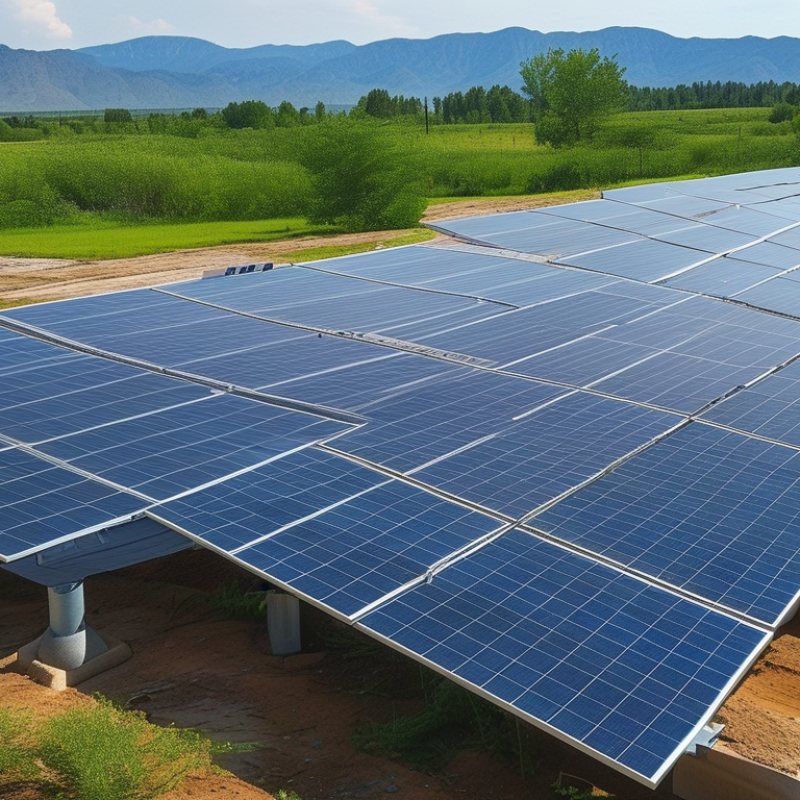
When looking for economical solutions to mount solar panels on the ground, several options stand out. Begin with ground-mounted racks. They are versatile and can adapt to various terrains. Building your own with local materials cuts costs significantly. Steel and aluminum are common choices for durability. Don’t underestimate the power of PVC; it’s lightweight and affordable, though not as sturdy.
Another option is using simple pole mounts. These require less material and can be installed easily. Digging holes and setting poles may take time but saves money. Consider adjustable mounts for optimal sun exposure. These can enhance efficiency but may add to the cost upfront.
Using gravel pads can help stabilize panels at a low cost. They allow for easy drainage and are easier to install. However, gravel may shift over time, requiring maintenance. Solar panel installations should always be assessed for wind load and snow accumulation. Local weather patterns can affect the choice of mounting systems. Take your time to research local conditions and regulations. This thoughtful approach ensures long-term reliability and performance.
Ground mounting systems for solar panels offer various options, which can greatly affect cost and efficiency. In 2022, the average cost of ground-mounted systems was around $3.50 to $6.50 per watt, according to industry reports. This means that for a typical 6 kW system, a homeowner might pay between $21,000 and $39,000, depending on the choice of materials and installation methods.
Different types of ground mounts include fixed mounts and adjustable mounts. Fixed mounts are typically more affordable and easier to install, while adjustable mounts can increase energy production by tilting panels towards the sun. However, the latter can escalate costs significantly, with upward of 30% in additional costs. The initial expenditure must be weighed against potential long-term savings on energy bills.
Another point of consideration is the installation process. It requires land assessment, permits, and sometimes, additional site preparation. These factors contribute to the unpredictability of overall expenses. It is essential to seek expert advice to understand all variables involved, as poor planning can lead to unexpected complications. Understanding local regulations and land characteristics can prevent costly mistakes and ensure optimal system performance.
When considering solar panel installation, homeowners often grapple with the decision between DIY and hiring professionals. DIY installations can save money but come with risks. You need the right tools and knowledge. Many underestimate the complexity of electrical systems. Mistakes can lead to inefficient energy production or safety hazards.
On the other side, professional installations guarantee optimal results. Experts bring experience and ensure compliance with local codes. However, this option can strain your budget. Evaluating costs versus benefits is crucial. Think about how much time you can dedicate. DIY may appeal to those who enjoy hands-on projects. Yet, it could become overwhelming for someone without prior experience.
In essence, both approaches have merits. DIY can be cost-effective but also risky. Professional installations offer reliability but at a higher price. Engage in thorough research, and weigh your skills against your budget constraints. Don’t rush the decision; it affects your future energy savings.
When considering the installation of solar panels, cost is always a significant factor. One effective solution is to utilize cost-effective materials for mounting structures. Steel and aluminum are popular choices due to their durability and resistance to various weather conditions. However, the initial investment can be high. For those seeking to save money, treated wood can serve as a viable alternative. It’s affordable and can be treated to enhance longevity.
Designing a mounting structure requires careful planning. The spacing and angle of the panels can significantly affect energy output. While using lower-cost materials may fit a budget, it’s essential to ensure they meet safety standards. Failing to do so can lead to expensive repairs later. Homemade mounting brackets made from reused materials can be an innovative, budget-friendly approach. However, they might lack professional-grade stability and weather resistance.
Using PVC pipes can offer a lightweight and flexible solution. They are easy to assemble and cut, but they may not withstand extreme weather. This approach encourages experimentation but requires regular checks for durability. Exploring local suppliers could reveal opportunities for sourcing low-cost materials. Engaging with community groups or forums can also provide valuable insights into effective DIY mounting solutions.
| Method | Material | Estimated Cost (per panel) | Durability (years) | Installation Difficulty |
|---|---|---|---|---|
| Concrete Blocks | Concrete | $50 | 30 | Easy |
| Ground Screws | Metal | $70 | 25 | Moderate |
| Wooden Frames | Wood | $40 | 15 | Easy |
| Aluminum Rails | Aluminum | $60 | 20 | Moderate |
| Cement Footings | Cement | $80 | 30 | Hard |
| Zinc-Coated Poles | Zinc | $75 | 20 | Moderate |
| Steel Frames | Steel | $90 | 25 | Hard |
| Mounting Brackets | Metal | $30 | 15 | Easy |
| Gravel Base | Gravel | $25 | 10 | Easy |
| Ballasted Mounts | Concrete/Metal | $85 | 20 | Moderate |
The orientation of ground-mounted solar panels plays a crucial role in maximizing energy efficiency. Ideally, panels should face true south in the Northern Hemisphere. This setup allows them to capture the most sunlight throughout the day. If your location has significant shading from trees or buildings, adjusting the angle could be necessary. Also, tilt the panels to maximize exposure based on your geographic latitude.
Proper spacing between rows is vital as well. Panels should be far enough apart to avoid shading each other during peak sunlight hours. A common mistake is placing panels too close, leading to reduced efficiency. Ensure that you consider the seasonal sun path. During winter, the sun is lower in the sky, producing more shadow. This often overlooked aspect can significantly affect overall output.
Regular assessment of your installation will also help maintain efficiency. Soil movement, erosion, or organic growth might alter the setup over time. By investing time into routine checks, you can avoid inefficiencies before they become issues. Understanding these best practices will lead to more effective use of ground-mounted solar panels.
: Ground-mounted racks are versatile and can adapt to many terrains. Building your own using local materials can reduce costs.
Steel and aluminum are durable choices. PVC is lightweight and affordable but less sturdy.
Simple pole mounts require less material and are easy to install. They save costs by using basic excavation.
In 2022, the average cost was $3.50 to $6.50 per watt, equating to $21,000 to $39,000 for a typical 6 kW system.
Panel orientation is crucial. They should ideally face true south for maximum sunlight exposure.
Proper spacing avoids shading between panels. Panels too close can reduce overall efficiency.
Land assessments and permits are necessary. Poor planning can lead to unexpected costs and complications.
Regularly assess for soil movement or growth that may alter the setup. Maintenance helps avoid inefficiencies.
Adjust angles or consider spacing. Shade from trees or buildings may necessitate changes too often overlooked.
Yes, they can boost energy production but may add over 30% to the initial costs. Balance upfront costs with potential savings.
In exploring "What is the cheapest way to mount solar panels on the ground," various cost-effective solutions can be identified. The article highlights the diversity of ground mounting systems, encompassing fixed, pole-mounted, and tracked options, along with their respective costs. It also discusses the trade-offs between DIY setups versus hiring professionals, emphasizing that while DIY projects can save money, they require a certain level of expertise.
Moreover, the article suggests using economical materials for constructing mounting structures, which can significantly lower overall expenses. Best practices for optimal ground panel orientation are also discussed, ensuring maximum efficiency for energy generation. By following these guidelines, homeowners can effectively reduce installation costs while ensuring their solar panels deliver optimal performance.

Trike Solar