Are you considering how to install solar panels on a shed roof? This venture can be rewarding but requires careful planning. Solar panels offer an eco-friendly energy source while maximizing the utility of your outdoor space. However, the unique structure of a shed presents challenges.
Many shed roofs may not support heavy installations. You must evaluate the roof's material and angle. Choosing quality solar panels is vital. They need to withstand weather conditions while efficiently generating energy. Additionally, ensure your shed is on level ground for stability.
Proper installation is crucial. Misalignment can reduce efficiency. Also, consider local regulations regarding solar installations. You want to avoid legal complications. This guide provides ten essential tips to ensure a successful installation. It combines expert advice with practical experiences, aiming to help you navigate potential pitfalls. Stay informed, and your shed can become a beacon of sustainable energy.
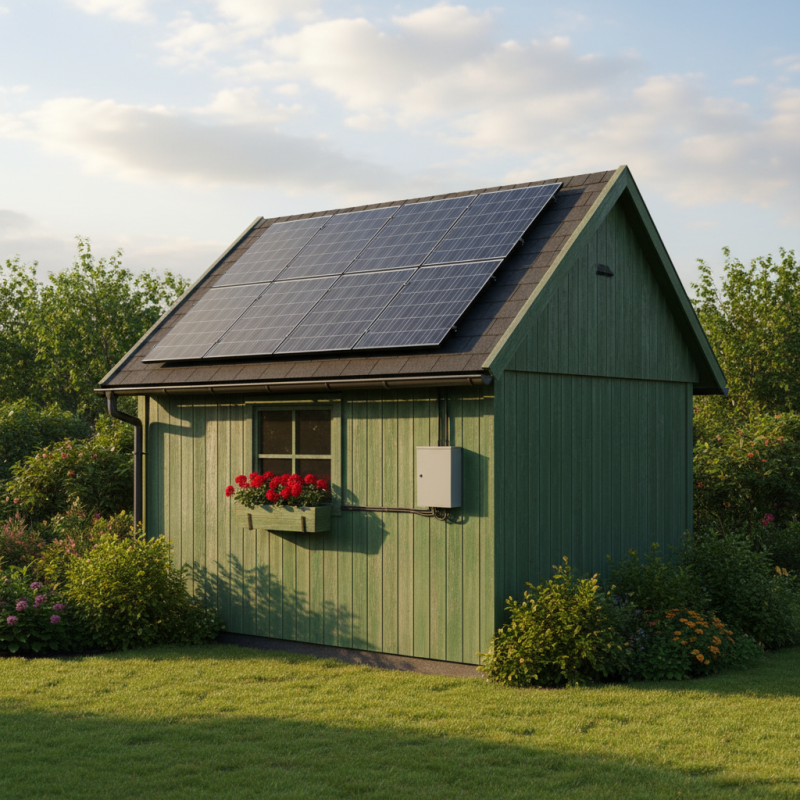
Understanding Shed Roof Types and Their Suitability for Solar Panels
When considering solar panel installation on shed roofs, understanding the roof type is crucial. Sheds commonly feature four types of roofs: flat, gable, hip, and saltbox. Each design has distinct characteristics that influence solar panel performance. For instance, flat roofs may require specialized mounting systems. These systems ensure proper drainage and prevent water pooling, which can be a significant issue.
Gable roofs, known for their peaked structure, offer excellent solar exposure. Panels can be installed on both sides. This positioning maximizes sunlight capture throughout the day. However, potential shading from nearby trees or structures should also be evaluated. A hip roof has slopes on all sides, providing unique challenges. While it can be effective, it may require intricate panel layouts or adjustments.
Saltbox roofs have an asymmetrical slope, complicating installation. This might limit the number of panels you can fit. Always seek local regulations and guidelines before starting. Consulting with a professional can help navigate these nuances. An improper installation may lead to suboptimal energy production or potential damage to the roof itself.
Assessing Location: Sun Exposure and Shade Considerations for Solar Installations
When assessing the location for solar panel installation on shed roofs, sun exposure is key. Observing your shed throughout the day can help determine optimal sun exposure. Note how shadows change with the sun’s position. Trees, buildings, and even fences can create unforeseen shade. This shade significantly affects solar efficiency.
Consider the angle of your shed roof too. A south-facing roof typically receives more sunlight. If your shed faces east or west, it may not capture adequate sunlight. If this is the case, think about trimming overhanging branches or relocating nearby structures.
Tip: Measure the area you plan to install the panels. Knowing the size will help you estimate the number of panels needed.
Tip: Avoid shaded areas when placing your solar array. Even partial shade can reduce energy output. Spend time observing your shed's light conditions before installation. This careful planning can avoid future inefficiencies. Ensure that you are maximizing the use of available sunlight.
Solar Panel Efficiency Based on Sun Exposure
This bar chart illustrates the average efficiency of solar panels based on sun exposure. As indicated, full sun conditions yield the highest efficiency, while shaded or no sun conditions dramatically reduce performance.
Preparing the Shed Roof: Structural Integrity and Necessary Reinforcements
When installing solar panels on a shed roof, the first step is assessing the roof's structural integrity. A sturdy roof is essential to support the weight of the panels. Inspect the roof for any signs of damage, such as missing shingles or leaks. If necessary, make repairs before moving forward. This ensures your solar installation remains secure and functional for years to come.
Reinforcement may also be required. If your shed roof is older or built with lighter materials, consider adding support beams. This step may seem daunting, but it's crucial to prevent sagging or collapse over time. Additionally, consult with a structural engineer if you're unsure about the current roof capacity. Investing in professional assessment can save you from future headaches.
Regardless of how well the installation is planned, challenges may arise. Not every shed roof will have an ideal pitch for solar panels. You might face shading issues from nearby trees or structures. Measure and plan carefully. Constant reflection on these details can lead to better long-term outcomes. Taking the time to prepare your shed roof properly sets a solid foundation for your solar energy journey.
10 Essential Tips for Installing Solar Panels on Shed Roofs
| Tip Number |
Tip Description |
Importance |
| 1 |
Assess the structural integrity of your shed roof before installation. |
Critical |
| 2 |
Ensure the roof is watertight and in good condition. |
Essential |
| 3 |
Measure the roof space to determine ideal panel placement. |
Important |
| 4 |
Check local regulations and permits required for installation. |
Necessary |
| 5 |
Consider consulting a structural engineer for large installations. |
Recommended |
| 6 |
Identify any obstructions (trees, buildings) that may block sunlight. |
Key |
| 7 |
Use the right mounting system for your roof type. |
Crucial |
| 8 |
Plan for future maintenance access to your panels. |
Vital |
| 9 |
Ensure proper wiring and electrical connections are in place. |
Important |
| 10 |
Consider energy storage options for utilizing solar energy efficiently. |
Recommended |
Choosing the Right Solar Panel System: Sizes and Types for Shed Applications
When considering solar panel systems for shed applications, selecting the right type and size is crucial. Most sheds can accommodate smaller, lightweight solar panels. These systems typically range from 100 watts to 400 watts, depending on power needs. A study from the National Renewable Energy Laboratory shows that even small installations can yield meaningful savings over time.
Size matters. Aim for about 100-200 watts for basic lighting and tool usage. Larger systems can support heavier loads. For instance, a 400-watt solar panel system can power multiple devices. Check your shed's roof space before making any choices. It’s essential to ensure that the roof can support the weight of the panels.
Tip: Assess your energy consumption before installation. Understanding your needs will help you select the right wattage.
Different types of panels exist. Monocrystalline panels are efficient but can be expensive. Polycrystalline panels are less efficient but ideal for budget-conscious buyers. According to research from the Solar Energy Industries Association, selecting the best option depends on your specific shed usage.
Tip: Compare installation costs and maintenance needs. Some systems require more upkeep than others.
In the end, make informed decisions for your shed’s solar system. Consider your roof's structure and your energy goals for optimal results.
Essential Installation Tools and Safety Measures for DIY Solar Projects
When installing solar panels on shed roofs, having the right tools and following safety measures is crucial. Start by gathering essential tools. A power drill is necessary for securing brackets. Use a level to ensure panels are aligned correctly. A measuring tape helps in accurately placing panels. Don't overlook safety gear; gloves, goggles, and a hard hat can make a big difference.
Always work with someone else when on the roof. It is safer and can help with lifting equipment. Pay attention to weather conditions before starting the installation. Strong winds or rain can create hazardous situations. Also, consider the roof’s weight capacity. Are you sure it can handle the load?
Regularly check your equipment before use. Faulty tools can delay your project. Don't forget to take breaks. Fatigue can lead to mistakes, especially on a roof. Reflect on your progress as you work. Are there areas where you can improve your process? Adjusting your approach could save time in the long run. Each installation is a learning experience.
Conclusion
Installing solar panels on a shed roof can be a rewarding project, offering both functional energy solutions and sustainable living benefits. To begin, it’s essential to understand the various types of shed roofs and their suitability for solar installations. Factors like sun exposure and potential shade must be assessed carefully to maximize solar efficiency. Additionally, ensuring the structural integrity of the roof and making any necessary reinforcements is crucial for the longevity of the installation.
When considering how to install solar panels on a shed roof, one should select an appropriate solar panel system, keeping in mind the sizes and types that best suit shed applications. Equipping oneself with the essential installation tools and adhering to safety measures will ensure a successful DIY solar project. With these tips, you can confidently undertake your solar panel installation, contributing to a greener environment and reducing energy costs.

 Trike Solar