Installing solar panels on roofs is a growing trend. Many homeowners are shifting toward sustainable energy. Metal roofs are durable and energy-efficient. However, a common query is, "Can I install solar panels on a metal roof without drilling?"
According to the Solar Energy Industries Association (SEIA), solar installations have increased by over 167% since 2010. Metal roofs offer a long lifespan, typically lasting 40-70 years. This makes them an excellent choice for solar panel installations. Traditional installation methods often involve drilling. Yet, innovative solutions exist for mounting panels without causing damage.
Consider potential challenges. Not all metal roofs are created equal. Different materials require specialized mounting systems. Furthermore, the warranty of the roofing may be affected. Homeowners must ensure any mounting method adheres to manufacturer guidelines. Ultimately, understanding your options is crucial for a successful installation.
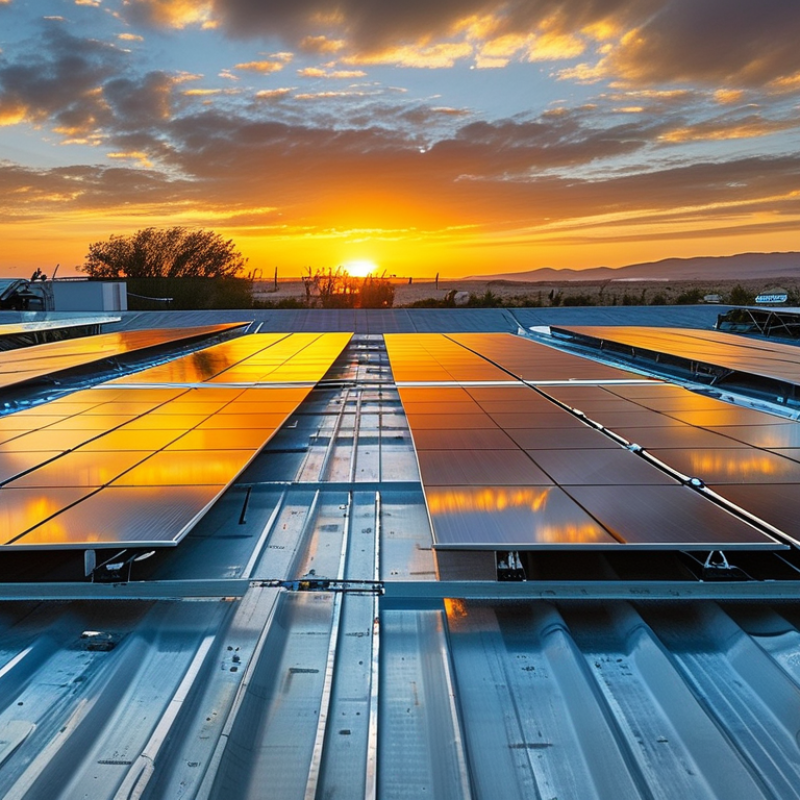
Installing solar panels on metal roofs is becoming increasingly popular. However, understanding the compatibility and installation methods is crucial. Metal roofs are typically made from aluminum or steel. These materials are durable and can withstand harsh weather conditions. According to a report by the National Renewable Energy Laboratory, metal roofs have a lifespan of 40 to 70 years, making them an excellent long-term investment for solar panel installation.
One key consideration is the mounting system. There are options that don't require drilling into the roof. A study by the Solar Energy Industries Association suggests that these non-penetrating mounting systems can reduce the risk of leaks. They are also easier to remove, which can be a benefit for maintenance. Yet, the effectiveness of these systems can vary based on the roof's design and slope.
However, potential issues exist. The thermal expansion of metal roofs can create challenges. Gaps may develop between the roof and solar panel mounts over time. It's essential to account for this when planning the installation. Proper assessment and expert advice can help mitigate these risks. Always consult professionals familiar with your specific roof type for tailored guidance.
| Roof Type | Installation Method | Advantages | Disadvantages |
|---|---|---|---|
| Standing Seam | Clamped installation | No drilling required, maintains roof integrity | Limited to certain panel types |
| Corrugated Metal | Direct mounting with brackets | Good for solar panel stability | May require sealing around bolts |
| Metal Shingle | Mounting rails and screws | Versatile installation options | Potential for leaks if not sealed properly |
| Snap Lock | Utilizes existing seams | Exceptional water resistance | Requires specialized hardware |
: Non-invasive methods include specialized clamps that attach to the seams of metal roofs without drilling.
Clamps preserve the roof’s integrity and prevent leaks, making them a popular choice among installers.
Ballasted systems work well on flat metal roofs but may require careful structural assessment.
Visual checks should be done every few months to identify loose mounts or wear.
Roof type, pitch, and material influence the choice of mounting systems.
Dirty panels reduce sunlight absorption, so regular cleaning ensures optimal efficiency.
Track inspection dates, findings, and any maintenance efforts for future reference.
Loose mounts, visible damage, or changes in panel performance signal the need for quick action.
Yes, metal roofs expand and contract, which can affect the installation over time.
They provide expertise, ensuring proper installation and compliance with local regulations.
The article "Can I Install Solar Panels on Metal Roofs Without Drilling?" explores the feasibility and advantages of integrating solar panels with metal roofs. Understanding the compatibility of metal roofs with solar panel systems is crucial, as these roofs often provide strong durability and lightweight structures. Installing solar panels on metal roofing can offer numerous benefits, including energy efficiency and aesthetic appeal.
Importantly, the article discusses various methods for mounting solar panels without the need for drilling, which can help maintain the integrity of the roof while ensuring a secure attachment. Readers are guided on considerations when choosing mounting systems, highlighting the importance of proper maintenance and inspection to maximize the lifespan and efficiency of solar installations on metal roofs. Overall, this comprehensive overview addresses the question, "Can I install solar panels on a metal roof without drilling?" by providing practical insights and recommendations for homeowners considering this renewable energy solution.

 Trike Solar