Installing solar panels can greatly enhance energy efficiency. However, homeowners often wonder, "Is it safe to put solar panels on an old asphalt shingle roof?" Evaluating this requires careful consideration of both the roof's condition and the weight of the solar system.
Old asphalt shingles can degrade over time. Cracks and wear may compromise the roof's ability to support additional weight. If your shingles show signs of age, it might not be the best decision to proceed. An inspection from a roofing professional can provide clarity on this matter.
Additionally, installation techniques are crucial. Proper mounting methods must be employed to reduce potential damage. The expertise of a qualified installer is invaluable here. Proper assessments ensure safety and reliability for both the roof and the solar panels. Ultimately, making an informed choice involves weighing the current roof condition against the benefits of solar energy.
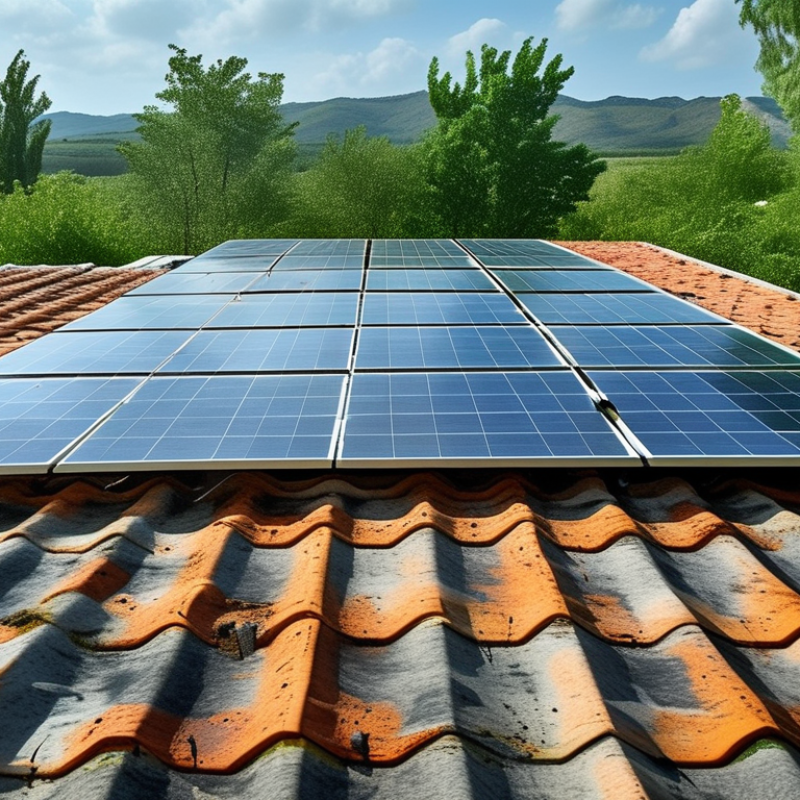
Installing solar panels on old asphalt shingle roofs can be a worthwhile investment. However, there are important factors to consider. The age, condition, and overall structure of the roof play crucial roles. If the shingles are cracked or peeling, they may not support the weight of solar panels.
One tip is to inspect the roof thoroughly before installation. Look for damaged areas that might need repairs. A professional roof inspection can provide insight into its lifespan. If the roof is nearing the end of its life, consider replacing it before adding solar panels. This approach can save you money in the long run.
Another consideration is the weight of the solar system. Old roofs may not be designed to handle the added load. Ensure that the roof's framework can support the panels properly. Consulting a structural engineer can help evaluate the roof's integrity.
When planning the installation, think about future maintenance. Solar panels require occasional cleaning and checks. Ensure there's adequate access to the roof for this purpose. An installation that complicates maintenance can lead to troubles later.
When considering solar panel installation, evaluating the condition of an old asphalt shingle roof is crucial. Many homeowners may overlook the age and wear of their roofing materials. Asphalt shingles generally last 20 to 30 years, but various factors can impact their lifespan. Weather exposure, improper installation, and lack of maintenance can lead to unseen damage.
Inspecting the roof is not just about checking for visible cracks or missing shingles. A detailed assessment should include examining the underlying structure for water damage or rot. Look for sagging areas which indicate weak support. These problems may not be evident until you take a closer look.
It's essential to consult a roofing professional before making decisions. They can provide insights based on experience and knowledge of roofing systems. While some roofs may be suitable for solar panels, others may require replacement. Weighing these factors is important for long-term safety and efficiency.
Installing solar panels on old asphalt shingle roofs can present unique challenges. Aging shingles may not have sufficient structural integrity to support the weight of solar panels. Over time, weather conditions can damage the roof, leading to leaks or weakened areas. These risks can escalate if the roof has not been regularly maintained or inspected.
It’s crucial to evaluate the condition of the roof before installation. A thorough inspection can reveal issues such as curling, cracking, or missing shingles. These problems may compromise the longevity of both the roof and the solar panels. If repairs are needed, they should be addressed prior to installation. Many homeowners underestimate the importance of this step, leading to potential costs and headaches later on.
In addition to structural concerns, the installation process itself can be invasive. Roof penetrations for mounting equipment can introduce risks of leaks if not done properly. Even with professional help, mistakes can occur. Homeowners should weigh the benefits of solar energy against the state of their existing roof, ensuring they make an informed decision.
Installing solar panels on old asphalt shingle roofs requires careful consideration. Asphalt shingles typically last 15-30 years. A roof nearing the end of its lifespan may not support solar installations effectively. Industry data shows that around 70% of roofs do not get professionally checked before solar panel installation. This oversight can lead to issues later.
Proper maintenance becomes crucial once solar panels are installed. Regular inspections of both the roof and the solar panels can prevent costly repairs. A study indicates that roofs with solar panels might have a reduced lifespan if they are not maintained properly. Embedded debris can trap moisture, leading to mold and rot. This can drastically affect a roof’s durability.
Repairing a damaged roof can be more complicated with solar panels installed. Roofers often charge extra for removing and reinstalling panels during repairs. Some homeowners express frustration over additional costs and delays. Understanding how to manage both solar and roofing needs can save time and expenses. Being proactive about maintenance is vital to ensure longevity.
When considering alternatives to installing solar panels on old asphalt shingle roofs, homeowners have several options. Installing solar panels on aging roofs poses certain risks. The integrity of old shingles can compromise both the roof’s durability and the efficiency of the solar system. According to industry reports, around 25% of roofs may need repair or replacement before solar installation to avoid long-term issues.
One option is to evaluate a ground-mounted solar array. This system allows for easy maintenance and accessibility, while also avoiding roof damage. Ground-mounted systems can be optimized for sunlight exposure. In fact, data show that ground-mounted solar systems can yield up to 15% more energy compared to roof-mounted systems.
Another alternative is solar carports. These structures provide shade while generating energy. They can be constructed separately from existing roofs, minimizing any risk to aging shingles. As per recent studies, this option can potentially increase property value by 10-15%.
Tips: Before making a decision, assess the condition of your roof. Consult with roofing and solar energy experts. They can provide valuable insights on potential risks and recommend the best solution for your home. Remember, investing in a stable and efficient solar system is crucial for long-term energy savings.
| Factor | Recommendation | Considerations |
|---|---|---|
| Roof Age | Inspect thoroughly, consider replacement if over 20 years | An old roof may need repairs or replacement before solar installation. |
| Condition of Shingles | Evaluate for curling, cracking, or missing shingles | Damaged shingles can lead to leaks and issues with solar panel installation. |
| Load Capacity | Consult a structural engineer | Ensure the roof can support the weight of the panels. |
| Installation Method | Use appropriate mounting systems | Avoid penetration of shingles if possible to prevent leaks. |
| Alternative Solutions | Consider ground-mounted systems or solar canopies | These options can bypass issues with old roofs and provide more flexibility. |
| Warranty Issues | Check warranty conditions regarding roof alterations | Installing on an old roof might void existing roofing warranties. |
: Asphalt shingles generally last between 20 to 30 years, depending on various factors.
Look for visible cracks, missing shingles, and sagging areas indicating weak support.
An old roof may have unseen damage that can impact solar panel efficiency and safety.
No, some roofs may need repairs or replacement before installing solar panels for effectiveness.
It’s a solar system installed on the ground, providing easy maintenance and optimizing sunlight exposure.
Yes, ground-mounted systems can yield up to 15% more energy than traditional roof-mounted options.
Solar carports are structures that provide shade while generating energy, separate from existing roofs.
They can potentially increase property value by 10-15% and minimize risks to aging roofs.
Yes, professionals have experience and knowledge to identify potential risks and recommend appropriate solutions.
Evaluate the condition of the roof and explore all available options for safety and efficiency.
When considering the question, "Is it safe to put solar panels on an old asphalt shingle roof?", several key factors must be evaluated. The condition of the existing roof is paramount; if the shingles are significantly worn or damaged, the roof may not be able to support the additional weight and stress from solar panel installation. Furthermore, potential risks associated with this setup include leaks and structural damage, which could arise if the roof is not properly assessed before installation.
Maintenance and repair options are vital for ensuring the longevity of both the asphalt shingle roof and the solar panels. Regular inspections and timely repairs can help mitigate issues. For those with significantly aged roofs, exploring alternatives to solar panel installation, such as a complete roof replacement or different mounting systems, may be prudent to ensure safety and optimal performance of renewable energy solutions.

Trike Solar