As energy costs continue to rise, homeowners are exploring alternative energy solutions. Solar carports are gaining popularity in this context. But are solar carports worth the investment for homeowners? Recent studies show that solar installations can reduce energy bills by up to 50%. According to the Solar Energy Industries Association, residential solar power grew by over 20% in 2021 alone. This indicates a strong market trend toward renewable energy.
Solar carports not only generate power but also provide shade and protection for vehicles. The dual purpose can appeal to eco-conscious homeowners. However, the initial costs can be a barrier. Installation can range from $10,000 to $25,000, depending on design and size. Homeowners need to weigh these costs against potential savings. Additionally, not every property is suitable for solar carports, requiring careful consideration.
The return on investment varies significantly due to factors like location and local energy rates. Some homeowners may find that traditional solar panels offer better financial returns. Therefore, it’s essential to analyze individual circumstances. Researching local incentives could help lower costs. The decision to invest should be based on both financial and personal priorities. This nuanced approach is crucial in evaluating whether solar carports are a smart investment.
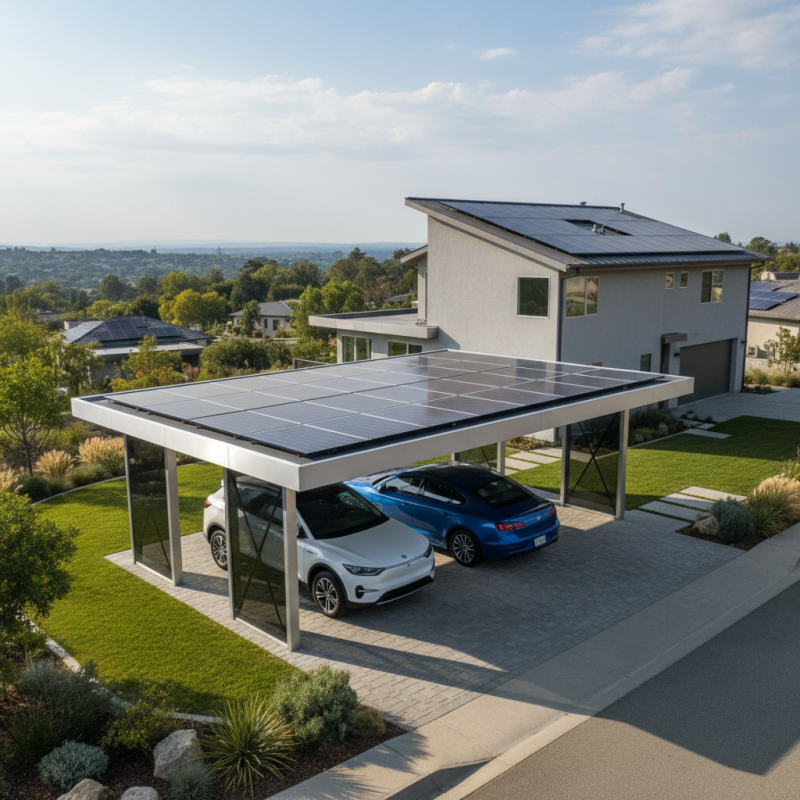
Benefits of Solar Carports for Homeowners
Solar carports offer numerous advantages for homeowners seeking to enhance their property. They not only provide shelter for vehicles but also create a space for solar energy collection. The dual function of protecting cars and generating electricity makes solar carports a practical addition to any home.
Installing a solar carport can significantly reduce energy bills. Homeowners can harness sunlight to power their homes, which lowers their reliance on the grid. This is particularly beneficial in sunny areas, where energy demands are high. The solar panels can produce energy even when cars are parked underneath, maximizing efficiency.
Additionally, solar carports can increase the overall value of a property. Potential buyers often view energy-efficient installations favorably. However, the initial investment can be substantial, which might require careful financial consideration. Property owners should also assess their local regulations regarding solar installations to avoid complications later on.
Cost Analysis: Initial Investment vs. Long-term Savings
In recent years, solar carports have gained traction among homeowners. At first glance, the initial investment can seem daunting. Many homeowners wonder if the benefits outweigh the costs. The average installation can range from a few thousand to tens of thousands of dollars. This price tag may discourage some, but looking deeper can reveal potential long-term savings.
Over time, solar carports can lead to significant energy savings. They provide shade, which can lower cooling costs during hot months. Additionally, generating your own electricity can reduce dependency on grid power. Incentives like tax credits and rebates may help offset initial costs. While the path to savings may be gradual, most homeowners notice a drop in their energy bills after a few months.
However, the performance of solar carports can vary based on location and weather conditions. Areas with less sunlight might see slower returns on their investments. Maintenance costs also need consideration. Regular cleaning and occasional repairs are part of the deal. These factors can lead to uncertainty about return on investment, which is something homeowners must reflect on carefully.
Increasing Property Value with Solar Carports
Increasing property value can be a significant advantage for homeowners considering solar carports. Research shows that homes with solar installations typically see a value increase of 3% to 4%. A study from the U.S. Department of Energy backs this claim, revealing that solar homes sold for an average of $15,000 more than comparable homes without solar systems. This indicates a strong market preference for properties with renewable energy features.
Solar carports not only enhance aesthetics but also provide practical benefits. They offer shaded parking and protect vehicles from harsh weather. Data from the Solar Energy Industries Association reveals that solar carports can generate double the energy output compared to standard rooftop systems. This means potential savings on energy bills, enhancing the overall financial appeal of the property. However, installation costs can be substantial, ranging from $15,000 to $30,000 depending on size and location. Homeowners should weigh these initial investments against long-term savings.
The situation is not entirely clear-cut. Local regulations can impact the feasibility of solar carports. While many areas encourage renewable energy, others may have zoning restrictions or lengthy permitting processes. These obstacles can temper the enthusiasm for investment. Homeowners must research local guidelines before committing to a solar carport project to ensure they are making an informed choice.
Environmental Impact and Sustainability Considerations
Solar carports offer an intriguing way to harness renewable energy while providing shelter for vehicles. These structures generate clean electricity. This energy can power homes, reducing reliance on fossil fuels. They play a significant role in lowering greenhouse gas emissions, a major contributor to climate change. However, the initial investment for installation can be significant, raising questions about their economic viability.
In terms of sustainability, solar carports can help combat the heat island effect in urban areas. They create shaded areas that maintain cooler temperatures. This cooling can lead to reduced energy costs for air conditioning in nearby buildings. Yet, homeowners must consider the materials used in construction. Not all solar carports are created equal; some may use unsustainable materials that undermine their environmental benefits.
Beyond construction, the location is crucial. Installing solar carports facing the sun maximizes energy production. Still, local regulations can complicate installations. There's also the matter of maintenance. Over time, the efficiency of the solar panels decreases. Homeowners must stay vigilant to ensure sustained performance. This mix of benefits and drawbacks calls for careful evaluation by potential investors.
Installation and Maintenance of Solar Carports
The installation of solar carports offers a unique advantage for homeowners looking to harness renewable energy. Solar carports can protect vehicles while generating power. Reports indicate that they can yield between 12-30% more energy compared to traditional rooftop solar systems. The elevated position allows for better sunlight exposure and less shading from trees or buildings.
Maintenance is a critical aspect to consider. While solar panels generally require little upkeep, dirt and snow can reduce efficiency. Regular cleaning and inspections are vital. A study found that 10% of solar systems underperform due to neglect. Homeowners should budget for occasional professional cleaning, which may cost around $100-$300 annually. Additionally, carports should be structurally sound, requiring checks for wear or damage, especially in harsh weather areas.
Installation costs vary widely but typically range from $15,000 to $30,000, depending on size and location. This initial investment can seem daunting. However, federal tax credits and state incentives may offset costs significantly. Evaluating local market conditions is essential. While solar carports can be a beneficial asset, overlooking factors like local regulations could impact overall functionality and returns.
FAQS
: Solar carports provide vehicle shelter and generate electricity, reducing energy bills and enhancing property value.
They harness sunlight, powering homes and lowering reliance on the grid, especially in sunny areas.
Installation can range from a few thousand to tens of thousands of dollars, depending on size and location.
Yes, properties with solar installations can see a value increase of 3% to 4%, averaging $15,000 more than non-solar homes.
Location and weather conditions affect energy output. Less sunlight can lead to slower savings.
Yes, regular cleaning and occasional repairs are necessary. Homeowners need to consider these ongoing expenses.
Tax credits and rebates can help offset initial costs, making the long-term savings more attractive.
Local regulations and zoning restrictions may complicate the installation process, requiring careful research.
Yes, they can produce double the energy output compared to traditional rooftop solar systems.
Many homeowners notice a decrease in energy bills within a few months, but returns may vary.
Conclusion
Solar carports present a variety of benefits for homeowners, making them an appealing option when considering renewable energy solutions. They not only provide shaded parking but also generate electricity, potentially reducing energy bills and increasing property value. When assessing whether "are solar carports worth the investment for homeowners," it is crucial to weigh the initial installation costs against the long-term savings on energy expenses. Over time, many homeowners find that the return on investment justifies the upfront costs.
Additionally, solar carports contribute positively to environmental sustainability by utilizing renewable energy and reducing carbon footprints. Their installation is typically straightforward, and ongoing maintenance is minimal, making them a practical choice for modern homeowners looking to enhance both their living space and ecological responsibility. Overall, solar carports can be a smart investment, offering financial and environmental benefits that resonate well with today’s conscious homeowner.

 Trike Solar