Can Solar Mounts Survive a Category 5 Hurricane?

Time:2026-07-17 Author:Madeline
0%

In today's world, renewable energy is increasingly vital. Solar energy, in particular, plays a significant role in reducing carbon footprints. However, one major concern arises: can solar mounts withstand a category 5 hurricane? This question is crucial for homeowners and businesses in hurricane-prone areas.

Solar mounts are designed to hold solar panels securely in place. But how resilient are they against extreme weather? Engineers and manufacturers are continually testing these systems. They study how materials behave under intense wind and pressure. Some innovative designs show promise. Yet, there remains uncertainty about their performance during the most severe storms.

Hurricanes are unpredictable, and their intensity can catch many off guard. Homeowners must consider their installation options wisely. High-quality mounts may offer better protection, but high costs can deter investment. It's essential to balance durability with affordability. Understanding these factors ultimately leads to more informed decisions. As we explore this topic further, we delve into both successes and failures in solar mount design.
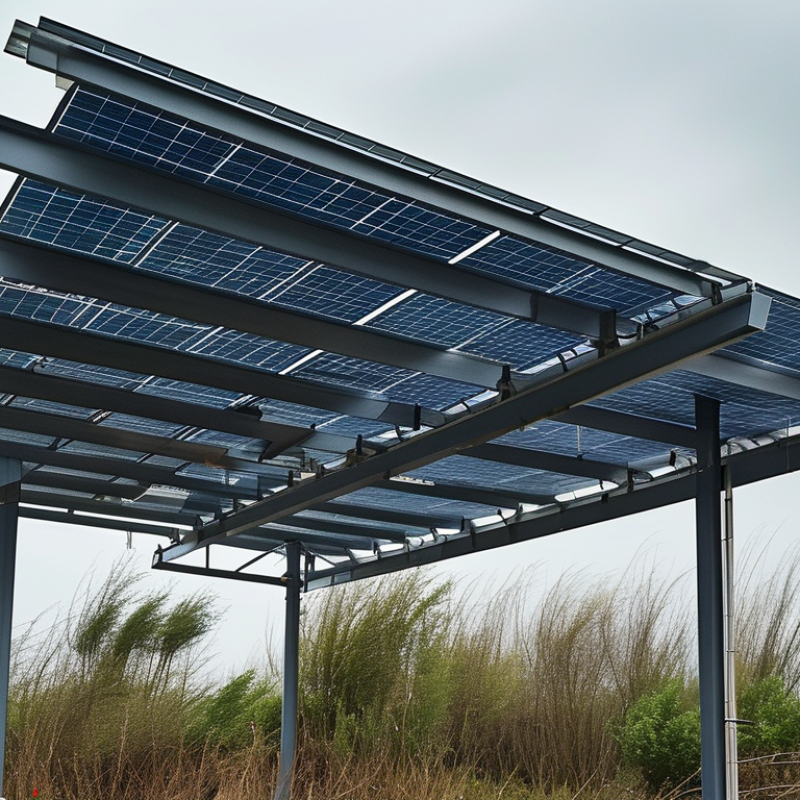
Can Solar Mounts Survive a Category 5 Hurricane?

Overview of Solar Mounts and Their Structures

Solar mounts are vital components in solar energy systems. Their design and structure determine how well they can withstand harsh elements. These mounts support solar panels, ensuring they remain in place during storms or high winds. A solid understanding of these structures is crucial for both installation and maintenance.

Most solar mounts are made from aluminum or steel. These materials provide strength and durability. However, the effectiveness of a solar mount can vary. Factors like installation angle and local weather conditions play significant roles. For example, a poorly aligned mount may suffer greater damage in severe weather.

Additionally, the foundation of the mounts is essential. A secure footing can help withstand heavy winds. Without adequate anchoring, even the best mounts can fail. Regular assessments can ensure the mounts are in good condition. Experts suggest checking for wear or loose fittings after major storms. Understanding these details can help improve the resilience of solar mounts.

Understanding Category 5 Hurricanes and Their Impact

Category 5 hurricanes are the most powerful storms on Earth. They bring winds exceeding 157 mph. Such extreme conditions can cause significant destruction to buildings, trees, and infrastructure. Understanding these storms is crucial for anyone involved with solar mounts and installations.

The impact of a Category 5 hurricane is profound. It creates storm surges that can flood coastal areas. Additionally, high winds can rip off roofs and uproot trees. Solar mounts, often fixed on rooftops or open fields, face brutal challenges. Engineers must design mounts to withstand these forces. This is no small task, as the combination of wind and debris can be catastrophic.

Not all installations are robust enough. Some solar mounts can fail, while others may sustain damage. Reflecting on this, it's clear that there’s room for improvement in design and materials. Every installation must consider local weather patterns. While advancements have been made, building resilient systems requires ongoing research. Understanding the storms is only part of the solution.

Engineering Standards for Solar Mounts in Extreme Weather

When considering the durability of solar mounts during extreme weather, engineering standards play a crucial role. These standards ensure that solar panels can withstand high winds and heavy debris. After all, a Category 5 hurricane can produce gusts exceeding 157 miles per hour. Properly designed mounts should anchor the solar panels securely to prevent them from becoming problematic projectiles.

Many engineers now incorporate advanced materials and designs. For instance, some use reinforced structures with increased flexibility. However, achieving an optimal balance between strength and cost remains challenging. There's still debate over the best practices in varying climates, particularly in hurricane-prone areas. It raises questions about whether current standards are sufficient or need revisiting.

While testing and certification systems exist, they can't predict every scenario. Storms can behave unpredictably, leading to unexpected failures. Some installations have shown vulnerabilities during recent disasters, sparking discussions about resilience. Improving these standards will benefit communities and energy reliability in the future.

Case Studies: Solar Mount Performance in Hurricanes

The resilience of solar mounts during severe weather events is a crucial topic. Recent case studies reveal varying performances in hurricanes, especially in areas hit by Category 5 storms. Data from the National Renewable Energy Laboratory indicates that poorly installed solar mounts can suffer significant damage. Yet, some mounts have demonstrated impressive durability when well-engineered and secured.

One notable case involves solar arrays that remained intact despite winds reaching over 157 mph. These installations utilized reinforced frames and high-strength materials. In contrast, systems with subpar mounting often faced total failure. A report from the Solar Energy Industries Association highlighted that the performance of solar mounts depends heavily on adherence to building codes and wind resistance ratings. It's evident that while some systems endure, others do not.

Reflections on these studies prompt a deeper inquiry into best practices for solar installation. The industry must focus on rigorous testing standards. Some examples indicate that even slight design flaws can lead to catastrophic failures. It's critical to learn and adapt from these experiences to enhance future resilience against natural disasters. Investing in research and development can lead to innovations that improve sustainability and safety in solar technology.

Mitigation Strategies for Enhancing Solar Mount Resilience

In the face of extreme weather events, solar mounts must demonstrate resilience. Hurricanes, especially Category 5 storms, present a significant threat. These storms can generate winds exceeding 157 mph. The challenge is to design mounts that can withstand such forces without compromising the solar panels.

One effective strategy is to anchor solar mounts more securely. This might involve deeper or wider footings. Another method is using materials like reinforced steel. These materials can help reduce the risk of structural failure. Innovative designs can distribute wind forces more evenly. Investing in such technologies can be costly, but they enhance safety.

Regular inspections are essential for maintenance. Over time, wear and tear can lead to vulnerabilities. It’s important to ensure that connections remain tight and corrosion-free. Community feedback also plays a key role in improving solar mount designs. Engaging with local experts can provide valuable insights into specific risks associated with regional weather patterns. These insights may lead to improvements that could save systems during a hurricane.

Can Solar Mounts Survive a Category 5 Hurricane? - Mitigation Strategies for Enhancing Solar Mount Resilience

Mitigation Strategy Description Effectiveness (%) Cost Estimate (USD)
Reinforced Tie-Downs Stronger anchors and ties that secure mounts to foundations. 85 $2,000
Aerodynamic Design Design that reduces wind resistance and pressure. 75 $3,500
Flexible Mount Systems Mounts that can flex and deform without breaking under stress. 80 $1,800
Integrated Wind Shields Barriers that deflect wind around panels. 90 $4,200
Regular Maintenance Scheduled inspections and repairs to ensure integrity. 70 $500 annually

FAQS

: What are Category 5 hurricanes?

: Category 5 hurricanes are the strongest storms, with winds over 157 mph, causing severe destruction.

How do hurricanes affect solar mounts?

High winds and storm surges can severely damage solar mounts, often leading to failure or destruction of installations.

Why is it important to understand these storms for solar installations?

Understanding hurricanes helps in designing robust solar mounts that can withstand extreme weather conditions and prevent losses.

What can improve solar mount resilience?

Using reinforced materials and deeper footings can enhance mount durability against strong winds.

How do well-installed mounts perform in hurricanes?

Properly engineered solar mounts often endure high winds, while poorly installed ones may face complete failure.

Why is regular inspection of solar mounts necessary?

Regular checks help identify wear and tear, ensuring that mounts remain secure and corrosion-free over time.

What can be done to prevent damage to solar mounts?

Implementing innovative designs and community feedback can lead to improved safety against extreme weather conditions.

Are there any challenges in solar mount design?

Designing for extreme winds is complex; even small flaws can lead to significant risks during a hurricane.

Is there ongoing research for improving solar technology?

Yes, continuous research and development are needed to find innovative solutions for better resilience against disasters.

Conclusion

The article "Can Solar Mounts Survive a Category 5 Hurricane?" delves into the critical design and engineering aspects of solar mounts, particularly their structural integrity under extreme weather conditions. It highlights the devastating effects of Category 5 hurricanes, examining how these intense storms can compromise solar panel installations. By analyzing engineering standards and case studies, the article elaborates on the performance of solar mounts during hurricane events and identifies best practices for enhancing their resilience.

In addition, it discusses various mitigation strategies that can bolster the stability of solar mounts against extreme weather, ensuring that solar energy systems remain reliable even in the face of severe natural disasters. Ultimately, the examination raises the pivotal question: can solar mounts withstand a category 5 hurricane, and presents insights on how technological advancements and better engineering can contribute to their survival.

Madeline

Madeline

Madeline is a dedicated marketing professional with a wealth of expertise in our company's core offerings. With a keen understanding of the industry, she brings a unique perspective to her role, consistently delivering high-quality content that highlights the superior aspects of our products. As......