Solar energy has gained significant traction in recent years. Many companies now utilize various solar mounting systems. A pressing question arises: "Why are solar tracking systems more expensive than fixed mounts?" This inquiry touches on design complexity and component costs. According to industry studies, solar trackers can improve energy output by up to 25%. Despite these benefits, the initial investment remains a common concern.
The primary reasons for higher costs lie in the technology and installation. Trackers require advanced mechanisms to follow the sun's path. This includes motors, sensors, and advanced control systems. Reports from the National Renewable Energy Laboratory indicate that installation costs can be 30-50% higher for tracking systems. Moreover, these systems demand more maintenance and rigorous engineering. Fixed mounts, while simpler and cheaper, often produce lower energy efficiency over time.
Finally, the decision between fixed mounts and solar trackers can be multifaceted. Investors must weigh the long-term energy gains against upfront costs. Understanding "Why are solar tracking systems more expensive than fixed mounts" is crucial for informed decision-making. Both options present unique challenges, and careful consideration of individual project needs is essential.
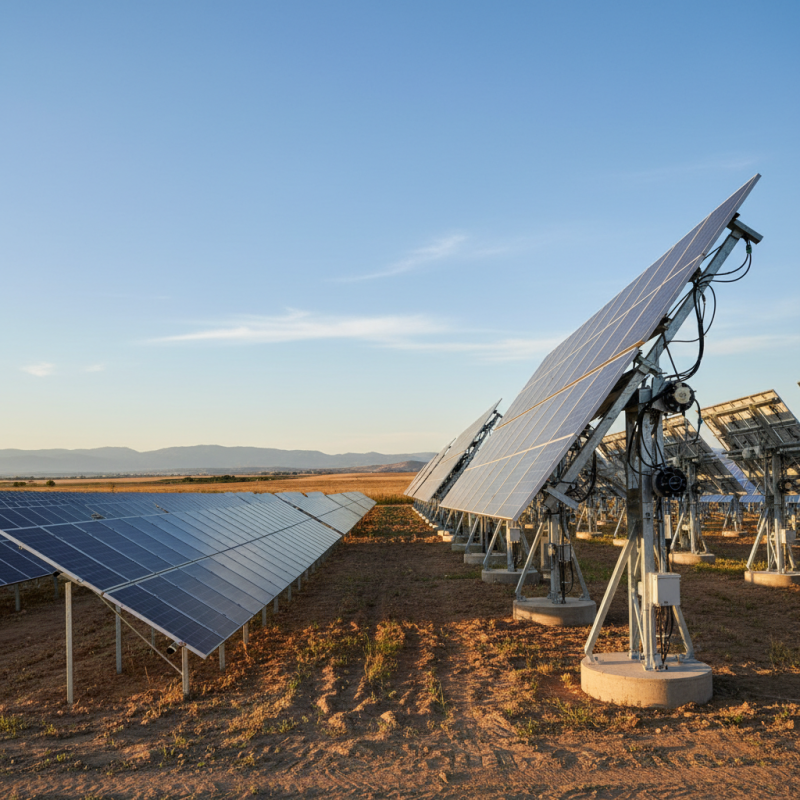
Solar tracking systems and fixed mounts serve different functions in solar energy collection.
Fixed mounts hold solar panels in a stationary position. They are simpler and cheaper, providing a reliable amount of energy.
However, their energy output is limited to the sun’s angle and position. Over a day, they can miss out on optimal sunlight.
This lack of flexibility can lead to lower overall efficiency.
On the other hand,
solar tracking systems adjust the panels to follow the sun.
This design maximizes exposure throughout the day. The technology behind trackers is more complex and often requires maintenance.
They can be pricier due to additional components like motors and sensors. Yet, the increased energy yield can offset those costs over the system's lifespan.
Despite the advantages, some users may face installation challenges or higher maintenance demands.
Hence, potential buyers should weigh benefits against potential drawbacks carefully.
Solar tracking systems are often pricier than fixed mounts due to various factors. The initial investment is higher due to the advanced technology involved. According to recent data from the National Renewable Energy Laboratory, the installation cost of tracking systems can be up to 25% more than fixed installations. This is primarily due to their moving parts and need for precise calibration.
Additionally, tracking systems require more sophisticated maintenance. The mechanical components can wear down more quickly. This can lead to higher maintenance costs over time. A report by the International Energy Agency suggests that while tracking systems can increase energy output by 20-30%, their long-term upkeep can be complicated and costly.
Tips: When considering a solar tracking system, evaluate the long-term benefits versus initial costs. Ask for detailed maintenance plans before making a decision. Keep a close eye on performance metrics regularly. This can help in managing unexpected costs. While tracking technology promises efficiency, the reality may pose challenges that require thoughtful planning. Balancing benefits with potential hurdles is essential for anyone looking to invest in solar energy.
Solar tracking systems are designed to maximize solar energy capture. They adjust the angle of solar panels to follow the sun’s path throughout the day. This capability can significantly increase energy output compared to fixed mounts. Research shows that solar trackers can improve efficiency by 20-50%. Such advancements in technology enhance the potential energy yield for businesses and homeowners.
However, these benefits come at a higher initial cost than fixed systems. Costs include installation, maintenance, and technology updates. Despite this investment, the long-term energy savings can outweigh these expenses. Evaluating local energy prices is crucial. Some regions may benefit more from tracking systems than others.
Tips for considering a solar tracker include assessing your site. If your location has clear skies with minimal shading, a tracker may be worth it. Calculate your potential energy savings carefully. Consider how long it will take to recoup the investment. It's vital to also evaluate system maintenance needs. Periodic adjustments may be necessary, increasing overall upkeep costs. Trackers require more attention than stationary mounts.
Solar tracking systems have two main advantages:
higher energy yield and
better performance. However,
maintenance and operational costs can deter some investors.
Tracking systems feature motors and sensors, which require regular inspection and servicing.
Reports indicate that maintenance costs can be 20-30% higher than fixed mounts.
Failures in tracking systems often arise from wear and tear.
Components like bearings and gears may break down over time. Such issues can lead to unexpected operational costs.
One industry study found that approximately 15% of tracking systems face mechanical failures within the first five years of installation.
This calls for careful consideration when investing.
Tips for maintenance include regular inspections.
Check for rust, and ensure all joints are functioning properly.
Consider scheduling bi-annual check-ups to catch problems early.
This proactive approach can save on repairs and downtime.
Keep a maintenance log to track all service activities and components replaced.
Over time, understanding your system's specific needs will enhance reliability and longevity.
When considering solar tracking systems, one must reflect on the long-term financial implications. These systems adjust their position to follow the sun, maximizing energy capture. However, the initial investment is noticeably higher compared to fixed mounts. Costs can be a significant factor for many homeowners and businesses looking to invest in solar energy.
Tracking systems can increase energy production by 25% to 50%. This higher yield may lead to better returns over time. However, maintenance costs are also a consideration. Moving parts can wear out, leading to additional expenses. This potential for increased costs should make consumers pause and review their financial plans.
**Tips:** Consider the energy output of your location. Different regions yield varying results. Research the efficiency and lifespan of tracking systems versus fixed mounts. Sometimes, fewer moving parts can mean lower maintenance. Reflect on your long-term energy goals. Will a tracker meet your future needs or could a fixed mount suffice?
: They involve advanced technology and have moving parts, leading to higher initial costs.
Installation can be up to 25% higher than fixed installations.
They require regular inspections and servicing due to mechanical components that can wear down.
Maintenance costs can be 20-30% higher than for fixed mounts, leading to unexpected expenses.
About 15% of tracking systems may experience failures within the first five years, increasing costs.
Regularly inspect for rust and ensure joints work well. Schedule bi-annual check-ups.
Keeping track of service activities can enhance your system's reliability and longevity.
They promise higher energy yield, but actual performance may vary based on maintenance and conditions.
Balance the potential benefits with long-term maintenance challenges and unexpected costs.
Focus on motors, sensors, bearings, and joints during inspections to prevent mechancial failures.
Solar tracking systems offer a significant advantage over fixed mounts by maximizing solar energy capture through their ability to follow the sun’s movement throughout the day. However, the question arises: "Why are solar tracking systems more expensive than fixed mounts?" The cost disparity primarily stems from the complex technology and components required to operate the tracking mechanisms. Additionally, the installation process for tracking systems is more involved, contributing to higher upfront costs.
Despite the initial investment, solar tracking systems may provide better long-term financial returns due to increased energy production. They also require specific maintenance regimes that can influence operational costs over time. When considering the long-term financial implications, the initial expense of solar tracking systems can be offset by their enhanced efficiency and energy yield, making them a potentially worthwhile investment for solar energy solutions.

Trike Solar