When homeowners see an empty driveway, they often see wasted potential. A solar carport can turn that space into shaded parking and a compact power station. But are solar carports worth the investment for homeowners? The answer depends on more than panel output. Roof condition, local sunlight, electricity prices, permits, drainage, and driving habits all matter. A carport may feel practical immediately. Yet its financial value requires careful checking.
In real projects, the strongest benefits are easy to picture. Cars stay cooler beneath the canopy. Solar panels produce electricity while families park, shop, or work nearby. With a suitable inverter and optional battery, the system may reduce grid purchases. It can also provide limited backup during outages. A carport avoids roof penetrations, which may appeal to owners with aging roofs. However, shade, snow, wind, and poor installation can reduce production. Batteries add cost. Maintenance is not zero.
This guide examines seven reasons these structures deserve attention, while recognizing their limits. We will consider energy savings, vehicle protection, property use, installation flexibility, environmental benefits, charging potential, and long-term value. Local installers, utility bills, and realistic payback estimates should guide the decision. Do not trust dramatic savings promises without clear assumptions. Request itemized quotes, equipment warranties, and site-specific production estimates. The numbers may disappoint. That is useful. Honest planning usually beats an impressive sales pitch. A qualified professional should also confirm structural needs, electrical requirements, and local approval steps before installation.
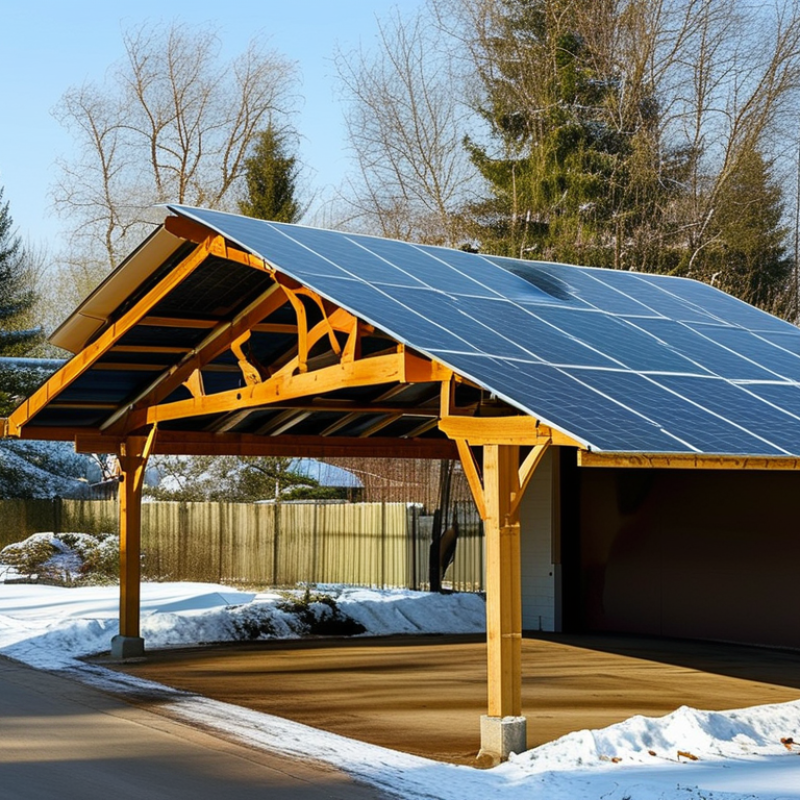
A solar carport is a roofed parking structure with photovoltaic panels installed above the vehicle area. Unlike rooftop solar, it uses independent posts and foundations. This design can serve homes with limited roof space, shaded roofs, or older roofing materials. Cars remain protected from sun, rain, and light snow. It is practical. It also changes how a driveway looks.
During daylight, solar panels convert sunlight into direct current electricity. An inverter then changes it into usable alternating current for household appliances. Electricity may power an electric vehicle, home battery, or the house itself. Any approved surplus can flow to the utility grid, depending on local rules and the homeowner’s agreement. A qualified installer should check structural loads, drainage, wiring routes, grounding, and underground utilities before construction.
The strongest benefit is flexible placement. A carport can face the sun more effectively than a roof with several angles. However, performance still depends on shade, panel direction, weather, and seasonal sunlight. Output will not stay constant. That part is easy to underestimate. Maintenance usually involves inspections, cleaning when needed, and checking connections after severe weather. Homeowners should compare installation costs, permits, insurance requirements, and expected energy production before committing. A poorly planned carport may create drainage problems or block access, even when the panels work well.
Solar carports turn an existing parking space into a small power plant. Their elevated panels capture sunlight while protecting vehicles from heat, rain, and snow. According to IRENA’s Renewable Capacity Statistics 2024, global solar capacity reached about 1,419 gigawatts by the end of 2023. That growth reflects stronger technology and falling system costs.
Electricity flows from the panels through an inverter and powers household loads. Extra production can charge a home battery during bright afternoon hours. The battery then supplies lights, appliances, or an electric vehicle after sunset. NREL’s Storage Futures Study reports that lithium-ion systems commonly achieve roughly 85% to 95% round-trip efficiency. Some energy is still lost. Output also changes with roof angle, winter weather, dust, and nearby trees. A poorly designed carport may generate less than expected. Promises of “energy independence” deserve careful checking.
Tips: Request a shade analysis for every season. Ask for hourly production estimates, not only annual totals. Match battery size with evening demand. A small battery may cover dinner, lighting, and refrigeration. Oversizing it can increase costs without improving daily value. Review local grid rules before adding export capability. Use durable wiring, drainage, and corrosion-resistant supports. These details often matter more than a glossy production estimate.
Solar carports offer seven practical benefits for homeowners. They create shaded parking and reduce heat inside vehicles during summer. Their panels produce electricity, which may lower monthly utility costs. A carport also uses existing driveway space without covering the roof. This can protect cars from rain, snow, and falling leaves. With suitable equipment, it can support convenient home electric vehicle charging. It may also improve property appeal when designed carefully. The structure can add useful value, but it is not automatic.
A well-designed system can provide daytime power for appliances, especially when household demand is high. Battery storage may offer greater flexibility, although it increases cost and maintenance needs. Homeowners should compare installation prices, expected energy production, insurance, and future repairs.
I have found that shaded parking feels immediately useful, while energy savings take longer to notice. Performance also changes with weather, panel direction, and seasonal sunlight. A carport may not suit every driveway. It can reduce yard flexibility and create visual changes that some neighbors dislike. Measuring morning and afternoon shadows first can prevent an expensive mistake. Safety features, wiring quality, and professional installation deserve close attention.
Solar carports can protect vehicles while producing electricity, but the budget extends beyond panels. A residential structure often costs about $3,000 to $10,000 per parking space, depending on size, materials, wiring, and local labor. Batteries, trenching, drainage work, and difficult ground conditions can raise the price quickly. Get written quotes that separate structural, electrical, and permit fees.
Permits are usually required. Owners may need building, electrical, zoning, and stormwater approvals. Requirements vary by city, especially in areas with snow, hurricanes, or strict height limits. A licensed contractor or structural engineer should verify roof loads, foundation depth, wind resistance, and utility interconnection rules. One overlooked detail can delay installation for weeks. Ask who submits documents and who pays correction fees.
Maintenance is usually modest, but not zero. Inspect bolts, drainage paths, wiring, and protective coatings at least once a year. Dust, pollen, and bird debris may reduce panel output, so gentle cleaning can help. Snow removal must follow the panel maker’s safety guidance. Inverters often need attention before the panels, and batteries require separate monitoring. I would not assume every “low-maintenance” estimate is realistic; access equipment, replacement parts, and occasional electrical inspections deserve a place in the budget. Keep permits, inspection records, warranties, and production data together. That paperwork becomes useful when output drops or property ownership changes.
| Reason | Homeowner Benefit | Typical Planning Metric | Expected Cost Consideration | Permit and Approval Expectations | Maintenance Requirement | Important Owner Check |
|---|---|---|---|---|---|---|
| 1 Reduce Grid Electricity Purchases | The system can generate electricity on-site and reduce the amount purchased from the utility, particularly when household electricity use occurs during daylight hours. | A typical residential system may be approximately 4–8 kW, depending on available roof area, parking layout, local sunlight, and household consumption. | Residential solar carport installations commonly require a higher upfront budget than rooftop systems because of the steel or aluminum structure, foundations, wiring, and labor. A broad planning range is about $3–$6 per watt installed, before local incentives, batteries, or major site work. | Building, electrical, and structural permits are commonly required. The utility may also require an interconnection application before the system can export electricity. | Solar modules have no routine moving-part service. Owners should arrange periodic visual checks and keep panels reasonably free of heavy dirt, leaves, and bird debris. | Compare expected annual production with the utility’s electricity rates, fixed charges, export-credit rules, and time-of-use pricing. |
| 2 Create Weather-Protected Parking | The canopy can provide shade and protection from rain, snow, tree sap, and some hail exposure while also improving the usability of the parking area. | A single-vehicle bay is often designed at roughly 9–10 feet wide by 18–20 feet long; final dimensions depend on vehicle type, access, setbacks, and local code. | Foundations, drainage, grading, snow-load design, and underground utility relocation can add substantially to the project price. These costs are separate from panels and inverters. | Setback, height, lot-coverage, stormwater, and zoning requirements may apply. Some jurisdictions treat the structure as an accessory building or require engineered drawings. | Inspect posts, fasteners, gutters, drainage paths, and protective coatings periodically. Remove accumulated snow only when required by the design or local conditions. | Confirm clearance for doors, trucks, emergency access, and future vehicle changes before finalizing the canopy height and column locations. |
| 3 Support Home EV Charging | Solar generation can offset part of the electricity used to charge an electric vehicle and can place the charging equipment near the parking space. | A Level 2 charger typically uses a 240-volt circuit. Charging power is commonly in the approximate range of 7–12 kW, depending on the vehicle and charger. | A residential Level 2 charger and installation may cost roughly $700–$3,000. Trenching, panel upgrades, long cable runs, or load-management equipment can increase the total. | An electrical permit is commonly required. The electrician may need to verify service capacity, grounding, overcurrent protection, and compliance with local EV-charging rules. | Keep the connector, cable, and enclosure protected from impact and weather. Test safety features according to the charger manufacturer’s instructions. | Match the charger’s power to the vehicle’s onboard charging capability and determine whether charging will occur during solar-production hours or through scheduled charging. |
| 4 Improve Energy Resilience | When paired with an appropriately designed battery system, a solar carport may provide backup power for selected household loads during grid outages. | Backup capacity is commonly specified in kilowatt-hours (kWh), while the ability to start and run appliances depends on the battery inverter’s kilowatt (kW) rating. | Adding a battery can add approximately $8,000–$20,000 or more to a residential project, depending on usable capacity, installation complexity, electrical upgrades, and local incentives. | Battery storage may require additional electrical, fire-safety, placement, and utility approvals. Indoor and outdoor installation rules can differ. | Check system alerts, ventilation or temperature requirements, disconnects, and manufacturer-recommended inspections. Battery replacement is a future lifecycle cost to consider. | Define which circuits need backup, such as refrigeration, lighting, communications, or medical equipment; whole-home backup requires more capacity and may require load management. |
| 5 Use Otherwise Unproductive Space | A carport can use an existing driveway or parking area without occupying additional roof space and may preserve roof areas that are shaded, old, or unsuitable for solar. | The final solar capacity depends on canopy orientation, tilt, shading, local snow and wind design, and the number of parking bays. A shade analysis should be completed before design approval. | Site preparation, demolition of an existing carport, tree removal, retaining walls, or relocation of utilities can materially change the budget and should be priced separately. | Property-line setbacks, easements, driveway visibility, historic-district rules, and homeowners’ association requirements may affect whether the location is permitted. | Keep surrounding trees trimmed where legally permitted and ensure that drainage does not cause ponding, icing, or erosion around the parking surface. | Obtain a boundary and utility-location review before construction. Underground gas, water, electrical, and communications lines can affect foundation placement. |
| 6 Potentially Improve Property Appeal | A well-designed structure may add functional parking, shade, EV readiness, and visible energy features that appeal to some future buyers. | The greatest practical value usually comes from documented system performance, transferable warranties, permitted construction, and clear ownership of the equipment. | There is no guaranteed resale premium. Appraisal treatment varies, and leased or financed equipment may complicate a sale or require contract transfer. | Retain final permits, inspection approvals, structural plans, interconnection records, and equipment documentation for future buyers and lenders. | Keep maintenance records, repair invoices, monitoring reports, and warranty information organized with the property documents. | Avoid assuming that the full installation cost will be recovered at resale; local market conditions and buyer preferences have a major effect. |
| 7 Benefit from Available Incentives | Eligible solar, battery, EV-charging, or structural improvements may qualify for tax credits, rebates, utility programs, or accelerated depreciation rules, depending on the owner and location. | Incentive eligibility can depend on system ownership, placed-in-service date, equipment requirements, property type, income rules, and whether the installation is residential or business-related. | Incentives can lower net cost, but they should not be deducted from the budget until eligibility and application requirements are confirmed. Some programs have caps, expiration dates, or limited funding. | Many programs require approved equipment, licensed contractors, inspection completion, or utility approval before payment. Permit approval alone does not guarantee incentive eligibility. | Maintain receipts, certificates, commissioning records, and proof of payment for the period required by the incentive administrator or tax authority. | Verify current rules with the relevant tax authority, utility, and local program administrator before signing a contract; incentives change frequently. |
A solar carport can be worthwhile when your roof is shaded, aging, or too small for enough panels. However, deciding whether it fits your property requires more than checking available sunlight. Inspect the driveway’s direction, daily shade, drainage, and distance from your electrical panel. A south-facing parking area often performs well, but east- or west-facing layouts may still produce useful energy. Local wind, snow, and structural requirements also affect the design.
Measure carefully. Can two vehicles park comfortably beneath the structure? Will posts block doors, bins, turning space, or emergency access? Ask a qualified installer for a site assessment, production estimate, permit review, and utility-connection details. Compare the projected energy value with construction, maintenance, insurance, and possible battery costs. A carport may protect vehicles from heat and weather, yet it can reduce usable yard space. That trade-off is easy to underestimate.
Tips: Watch the shade at 9 a.m., noon, and 4 p.m. before choosing a layout. Check whether trees will grow into the panel’s path. Request written assumptions for annual sunlight and energy savings. Be cautious with optimistic estimates. Your property may not be ideal, and that is useful information. A smaller system, different parking angle, or no carport may be the more practical decision.
Elevated panels capture sunlight above parked vehicles. An inverter converts that electricity for household loads. Extra power can charge a battery.
The battery can run lights, appliances, refrigeration, or an electric vehicle. Its usable energy is lower than the stored amount. Some energy disappears.
Common lithium-ion systems deliver roughly 85% to 95% round-trip efficiency. Results vary with wiring, temperature, usage, and battery age. Those figures are useful, not guarantees.
Not reliably in every location. Shade, dust, winter clouds, snow, and nearby trees reduce production. Ask for hourly estimates across every season. Promises deserve skepticism.
A residential structure may cost about $3,000 to $10,000 per parking space. Batteries, trenching, drainage, difficult soil, and local labor can raise the bill. Request separate written prices.
Building, electrical, zoning, stormwater, and grid-connection approvals may apply. Snow loads, hurricane winds, height limits, and foundation depth can change requirements. Check local rules early.
Match storage with evening demand. A small battery might cover dinner, lights, and refrigeration. An oversized battery can increase costs without improving daily value. Bigger is not always better.
Inspect bolts, drainage paths, wiring, and protective coatings at least yearly. Dust, pollen, and bird debris may reduce output. Clean panels gently. Snow removal needs care.
Keep permits, inspection records, warranties, quotes, and production data together. These documents help when output drops or ownership changes. Check the paperwork.
A solar carport is a covered parking structure fitted with photovoltaic panels that capture sunlight and convert it into electricity for a home. The energy can power household appliances, charge an electric vehicle, or be stored in a battery for use at night and during outages. Unlike rooftop systems, solar carports can provide shade and weather protection for vehicles while making use of available driveway or yard space.
Are solar carports worth the investment for homeowners? For many properties, the answer may be yes. They can reduce electricity bills, support cleaner energy use, improve parking comfort, and offer greater energy independence. However, homeowners should first evaluate installation costs, battery options, local permits, available sunlight, structural requirements, and ongoing maintenance. Comparing expected energy savings with the project’s total price and checking whether the property has enough space will help determine whether a solar carport is a practical and financially sound choice.

Trike Solar