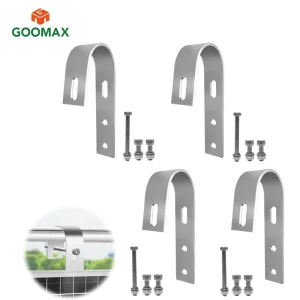
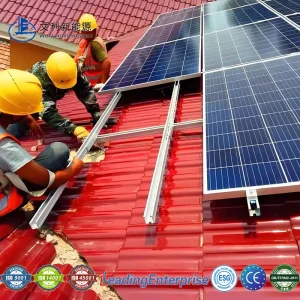
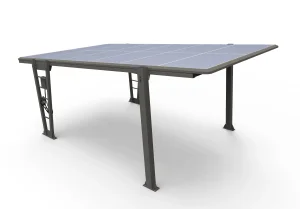
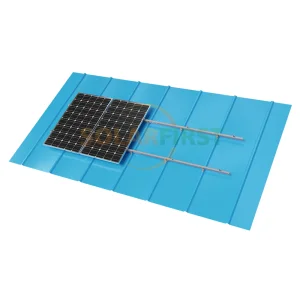
Explore our premium range of industrial, residential, and marine structural photovoltaic platforms engineered for maximum energy yield.
LEADING SOLAR STRUCTURAL DEVELOPER
Xiamen Trike Solar Co., Ltd. is a leading high-tech enterprise based in Xiamen, China, specializing in the development, manufacturing, and sales of solar energy solutions. Committed to the mission of "Protecting the Ecological Environment and Building a Renewable Future," we strive to offer efficient, cost-effective, and easy-to-install solar products and services to customers worldwide.
With a team of highly experienced engineers, many with over 10 years of expertise in the renewable energy industry, Trike Solar is dedicated to providing tailored solar mounting systems for residential, commercial, and industrial applications. We ensure the highest levels of performance, reliability, and durability in every product. Our solutions help clients achieve energy independence and reduce long-term operating costs, while contributing to a greener planet.
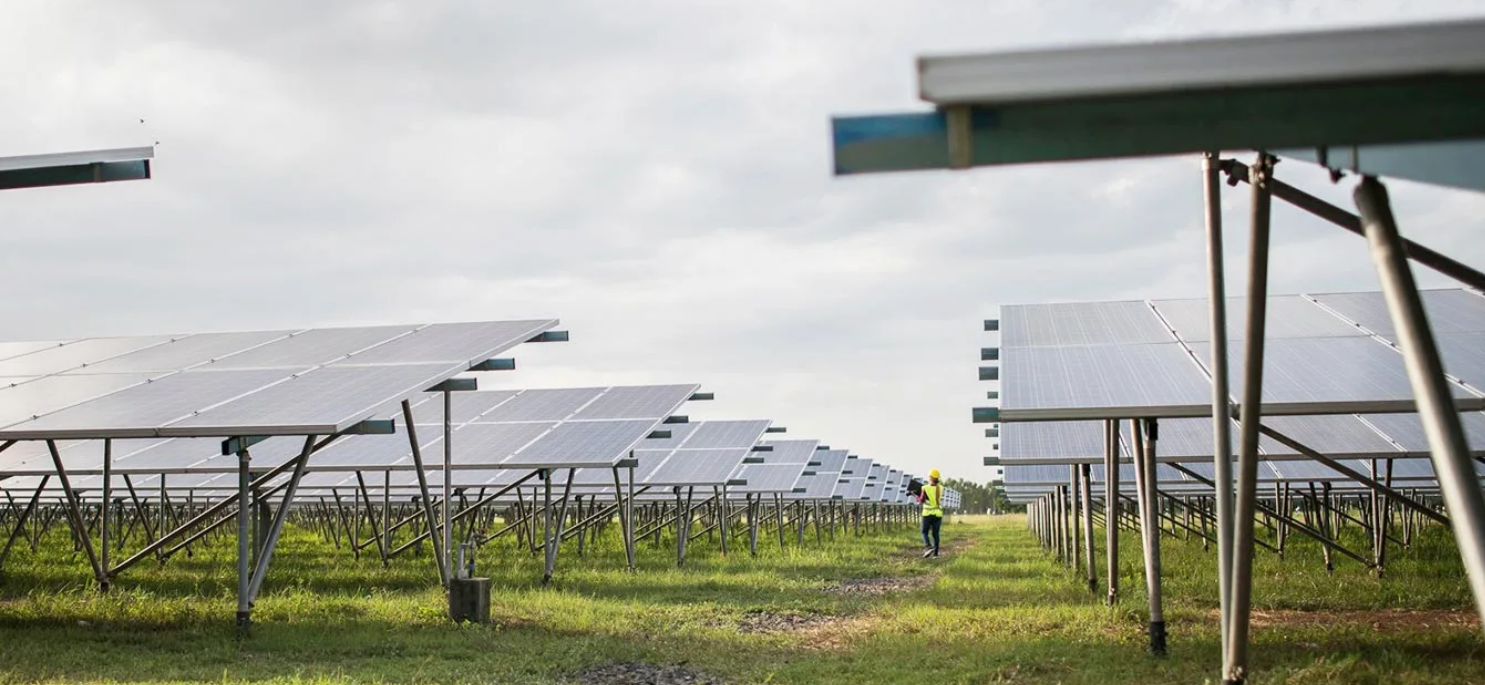
How structural engineering, micro-grids, and waterproofing are redefining sustainable corporate architecture.
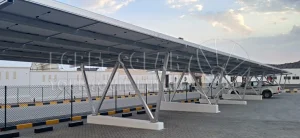
Photovoltaic carports represent the intersection of transit infrastructure and decentralised power generation. Once regarded as simple steel awnings supporting standard solar arrays, modern solar carport designs have transformed into high-efficiency architectural structures that balance load calculations, visual appeal, and spatial optimization. The transition from utility-scale solar farms to point-of-consumption urban installations has catalyzed significant technological innovations within the racking manufacturing sector.
Modern solar carport designs are no longer isolated mounting frames. They now feature integrated wiring channels, ready for EV charger installations, bidirectional energy storage, and real-time power analytics. Trike Solar works closely with engineering partners to ensure our physical structural elements seamlessly interface with high-capacity electrical conduits and battery enclosures.
Carports benefit greatly from bifacial panels. By capturing reflected albedo light from concrete parking surfaces, our optimized structure tilt angles increase total energy yields by up to 25% compared to single-sided solar systems.
Our structures utilize built-in aluminum gutter channels that guide rainwater directly to structural columns. This eliminates the need for expensive sub-decking or plastic sheeting, ensuring clean, dry parking bays.
We use anodized aluminum AL6005-T5 and hot-dip galvanized Q355 steel. These materials are engineered to resist heavy winds, coastal salt corrosion, and extreme snow accumulation over a 25-year lifespan.
An expert guide to structural certifications, wind load engineering, and supply chain logistics.
For international buyers, EPC contractors, and corporate end-users, procuring solar carports from overseas involves analyzing structural calculations as much as purchasing physical metal components. Every municipal jurisdiction imposes strict wind load codes, snow loading thresholds, and seismic safety requirements. Selecting a certified manufacturer from China ensures your structures comply with local building regulations while remaining cost-effective.
Trike Solar design workflows incorporate advanced Finite Element Analysis (FEA) to simulate real-world wind forces up to 60 m/s and snow depths of up to 1.6 kN/m². Our structural profiles align with the following key global regulatory standards:
On-site labor accounts for a significant portion of solar installation costs. To address this, Trike Solar pre-assembles structural brackets, columns, and rail connectors at our factory. This approach reduces on-site construction steps by up to 40%, lowering crane rental fees and minimizing project disruption.
Inside Xiamen Trike Solar's high-precision manufacturing facility.
The manufacturing capabilities of Trike Solar are rooted in Southern China's advanced industrial ecosystem. Our production facility spans over 2,000 square meters and features computerized machinery that bridges the gap between digital CAD design and physically finished structures. This localized integration ensures reliable lead times, even when global logistics chains face disruptions.
Our factory uses automated CNC cutting lines to trim structural aluminum extrusions within a 0.5mm tolerance threshold, guaranteeing easy on-site alignment.
High-powered laser cutting machines shape steel connection plate components, preventing micro-stress fractures and extending structural fatigue resistance.
All aluminum sections receive an anodized film layer of over 10-15 microns. This coating prevents atmospheric oxidation in coastal locations.
We test raw materials for tensile strength and conduct regular salt-spray corrosion tests to ensure our systems meet international standards.
Custom structural configurations tailored for diverse climates and spatial requirements.
For installations in typhoon-prone coastal regions like Southeast Asia, Japan, and the Caribbean, we supply custom concrete foundation layouts. Our engineers configure heavy-duty anchor bolts and reinforced cross-bracing to help the carport system withstand high winds.
In snowy regions such as Northern Europe, Canada, and Northern Japan, we design carports with steep tilt angles (15° to 30°) and wider beam cross-sections. This helps snow slide off easily and prevents structural overloading.
In retail parking spaces and corporate headquarters with limited room, our single-column cantilever structural designs maximize car turning clearance. This makes it easy for drivers to park while optimizing panel density per square meter.
Get answers to common technical, structural, and procurement questions from our engineering team.
A: We design our structures with built-in aluminum alloy gutter channels that sit between the solar panels. These channels collect rainwater and direct it to vertical downspouts inside the support columns, keeping the parking area dry beneath the array.
A: We construct our carports using anodized AL6005-T5 aluminum and hot-dip galvanized Q355 steel. The aluminum receives an anodized finish of 10-15 microns, while the steel parts are coated with 80+ microns of zinc. These processes protect the system from rust and weathering, even in coastal environments.
A: Yes. Our engineers customize structural dimensions, column thickness, and footing specifications for every project. We calculate loads based on regional standards such as AS/NZS 1170, ASCE 7-16, and Eurocode 1 to ensure wind resistance up to 60 m/s and snow capacity up to 1.6 kN/m².
A: We pre-assemble main joints, rail clamps, and beam connectors at our factory. This means field crews only need to secure basic bolt connections on site, reducing assembly steps, minimizing errors, and lowering local labor costs by up to 40%.
A: Our products undergo structural testing and conform to CE, ISO9001, MCS, and TUV requirements. We provide full calculation packets and structural drawings to help you secure local permits and building approvals.
A: We back our solar carport structures with a 10-year warranty, and they are engineered to last over 25 years. Our high-grade aluminum and corrosion-resistant coatings minimize structural maintenance needs throughout the system's operational life.
Explore our full range of roof, ground, and custom mounting products engineered for reliable energy generation.
 Trike Solar