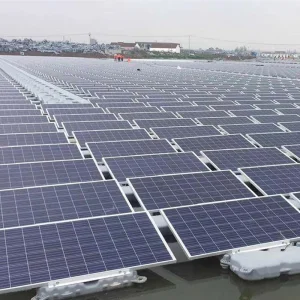
As land scarcity becomes a significant bottleneck for utility-scale renewable energy, Floating Photovoltaics (FPV) have emerged as a high-efficiency alternative. Xiamen Trike Solar Co., Ltd., a premier high-tech enterprise based in the global manufacturing hub of Xiamen, China, stands at the forefront of this transition. Our mission is clear: "Protecting the Ecological Environment and Building a Renewable Future."
With a core team possessing over 10 years of structural engineering expertise, Trike Solar bridges the gap between material science and hydraulic stability. We don't just manufacture floats; we engineer resilient energy ecosystems that withstand extreme wave heights, wind speeds, and UV degradation. Our expertise in HDPE (High-Density Polyethylene) extrusion and blow-molding ensures that our components remain structurally sound for a 25-year design life.
Moving beyond standard HDPE, we are researching bio-based polymers and carbon-fiber reinforced materials to enhance stiffness while maintaining environmental neutrality in sensitive water ecosystems.
The next frontier is the open sea. Our R&D is focused on high-flexibility anchoring systems and salt-spray resistant coatings that prevent electrolytic corrosion in maritime environments.
Integration of IoT sensors into the floats allows for real-time monitoring of structural stress and moisture levels, enabling predictive maintenance via digital twin technology.
The roadmap for 2025-2030 includes Vertical Bifacial FPV and Integrated Energy Storage Floats. By leveraging the synergy between water and energy, we are aiming for a Levelized Cost of Energy (LCOE) that competes directly with fossil fuels even in land-locked or island nations.
Our manufacturing facility is a testament to Chinese industrial efficiency. Spanning over 2,000 square meters, we utilize Factory 4.0 principles to ensure zero-defect production. Our equipment suite includes:
Supply Chain Resilience: Located in Xiamen, we benefit from the world's most integrated solar supply chain. This proximity to raw material refineries and shipping ports allows Trike Solar to mitigate global logistics volatility, ensuring that "Made in China" translates to "Delivered on Time."
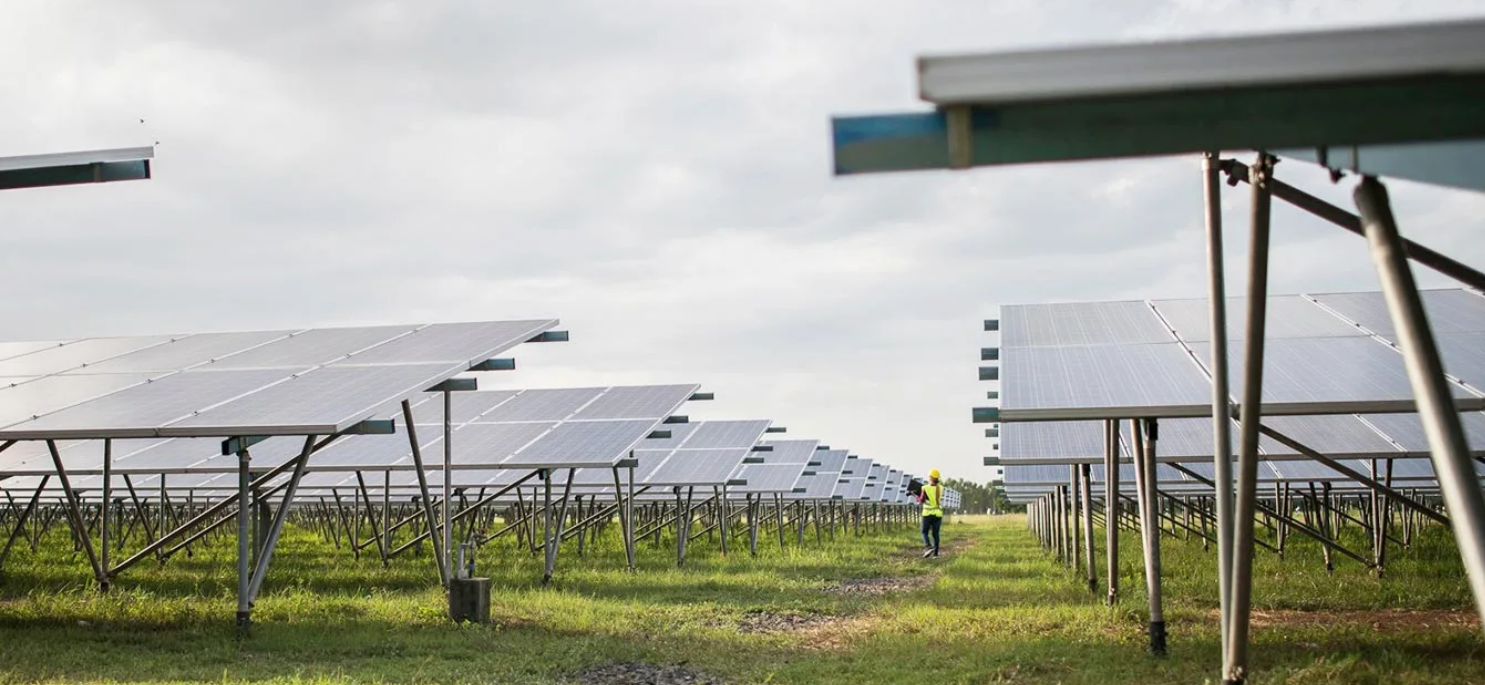
Perfect for hydroelectric dam integration. By covering the reservoir with FPV, we create a Hydro-Solar Hybrid System that balances day/night energy loads and reduces spillway loss.
Designed for irrigation ponds. The floats prevent algae blooms which often clog irrigation pumps, while the solar energy powers water filtration and distribution systems.
Transforming inactive treatment ponds into revenue-generating assets for manufacturing plants, aiding in corporate ESG compliance and carbon footprint reduction.
Exporting to over 100 countries requires more than just good products; it requires Regulatory Expertise. Trike Solar ensures every shipment complies with local engineering codes:
Our localization strategy includes On-site Installation Supervision and Multilingual Technical Documentation. We understand that a floating project in the North Sea has different stresses than one in Southeast Asia. Our engineering team provides custom wind and wave load calculations for every specific GPS coordinate.
When sourcing solar floating systems from China, global EPCs (Engineering, Procurement, and Construction) should evaluate the following critical factors:
Trike Solar provides transparent QC reports for every batch, covering tensile strength, UV aging tests (ASTM G154), and environmental safety certifications (RoHS/Reach) to ensure no leaching into the water supply.
 Trike Solar