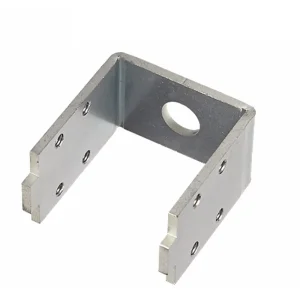
High-performance brackets, frames, and custom solutions engineered for maximum durability and load capacity.
Unlocking Value Through Advanced OEM/ODM Thermal Integration and Structural Framework Optimization
In the rapidly evolving global renewable energy sector, the demand for highly customized, structural-grade frameworks is soaring. Solar thermal collectors, solar water heaters, and photovoltaic (PV) arrays have distinct, challenging mechanical requirements. Achieving optimal thermal absorption and energy conversion requires precision-engineered structural support. This is where Xiamen Trike Solar Co., Ltd. shines. As a key OEM/ODM manufacturing partner, we bridge the gap between design concepts and field installations.
Modern commercial projects demand custom mounting solutions that accommodate varying tilt configurations, structural wind loads of up to 60m/s, and corrosive seaside installations. Off-the-shelf brackets often fall short. A robust B2B partnership with a specialized Chinese OEM/ODM factory ensures that mechanical, thermal, and structural aspects align seamlessly. This optimization lowers structural stress, prevents micro-cracking in PV cells, and eliminates structural failure risks under extreme conditions.
Precision Manufacturing and Quality Controls Engineered to International Standards
Xiamen Trike Solar Co., Ltd. is a leading high-tech enterprise based in Xiamen, China, specializing in the development, manufacturing, and sales of solar energy solutions. Committed to the mission of "Protecting the Ecological Environment and Building a Renewable Future," we strive to offer efficient, cost-effective, and easy-to-install solar products and services to customers worldwide.
With a team of highly experienced engineers, many with over 10 years of expertise in the renewable energy industry, Trike Solar is dedicated to providing tailored solar mounting systems for residential, commercial, and industrial applications. We ensure the highest levels of performance, reliability, and durability in every product. Our solutions help clients achieve energy independence and reduce long-term operating costs, while contributing to a greener planet.
Our manufacturing facility covers over 2,000 square meters and is equipped with advanced production machinery and equipment. We utilize state-of-the-art technology, including:
With a strict quality control system in place, we manage every phase of production—from raw material receipt to final pre-assembly and container load—ensuring that each product satisfies demanding international standards such as ISO9001, CE, and AS/NZS 1170.
Trike Solar's products are sold and deployed in over 100 countries and regions, including Europe, North America, Africa, Southeast Asia, and the Middle East. Our international presence reflects the trust and recognition that customers place in our solutions.
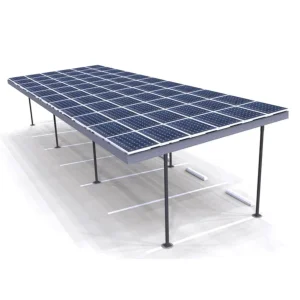
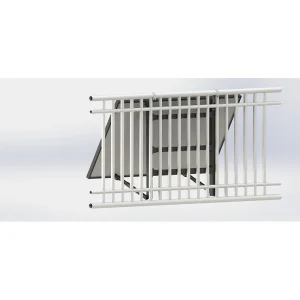
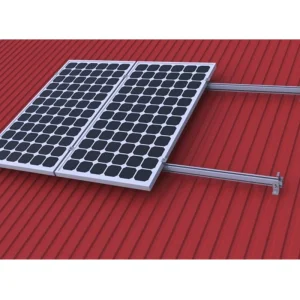
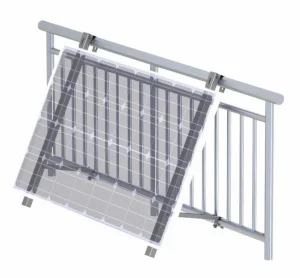
Whether handling residential balcony setups in Germany, flat roof applications in South Africa, or custom aluminum solar carports in Japan, our supply chain ensures timely shipments, robust packaging, and detailed installation manuals. We reduce local assembly times by pre-assembling critical sub-components in-house.
Leveraging Industrial Clusters, Materials Expertise, and High-Speed Customization
Operating within Xiamen, a global hub for aluminum extrusion, enables immediate access to premium alloys like AL6005-T5 and stainless steel SUS304. We leverage localized vertical integration to secure stable material pricing, giving our international clients a pricing advantage while ensuring compliance with global physical property criteria.
With a team of CAD/SolidWorks professionals, we reduce custom tool design times to days rather than weeks. This allows developers to fast-track municipal bidding processes. Our in-house extrusion adjustment, metal stamping, and surface finishing technologies support agile customization to match evolving structural codes.
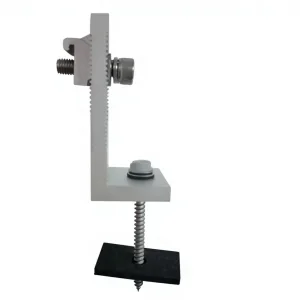
The Chinese solar supply chain provides access to specialized structural accessories, weather-resistant EPDM rubber pads, and specialized fastener systems (like high-tensile M10 screws). This means B2B buyers receive a complete kit, avoiding the need to coordinate with multiple sub-vendors.
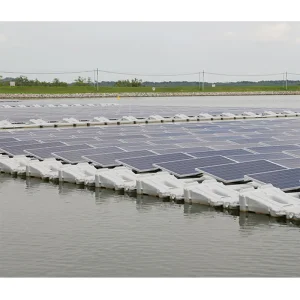
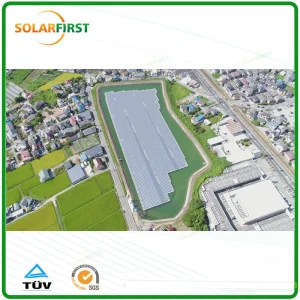
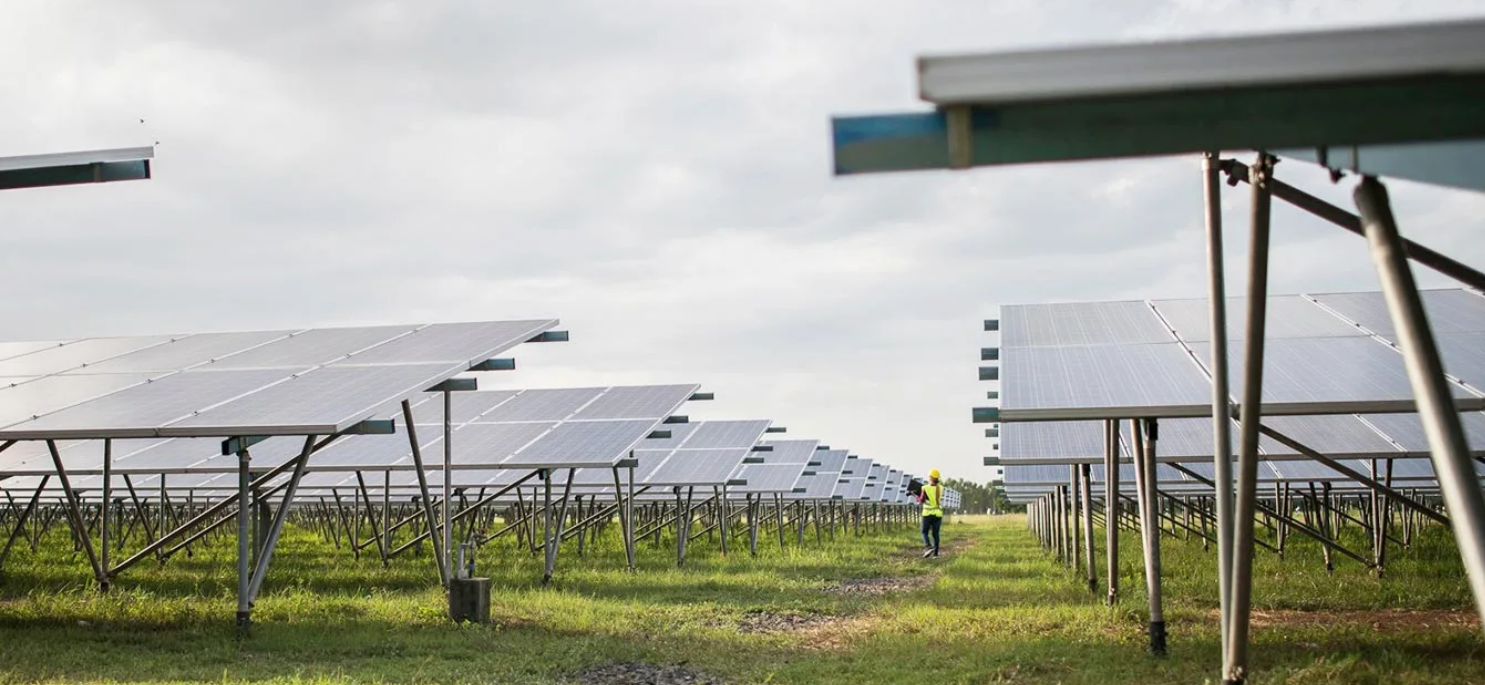
The global solar sector is shifting towards dual-use and localized solar capture systems. Floating solar arrays (PV plants) are expanding rapidly across water reservoirs to minimize evaporation and land conflicts. Concurrently, European markets are adopting balcony solar systems (plug-and-play solar power units), enabling urban apartment renters to participate in solar energy production. Additionally, modern commercial architecture is increasingly integrating heavy-duty solar carports and agricultural greenhouse setups, turning everyday spaces into productive energy collectors.
A Roadmap for B2B Procurement Officers, EPCs, and Project Developers
B2B buyers routinely grapple with delivery delays, variable material specifications, and inadequate on-site assembly instructions. To de-risk your procurement strategy, look for partner factories that perform factory pre-assembly. This verifies that thread clearances, sliding connections, and component tolerances align before shipment.
At Xiamen Trike Solar Co., Ltd., we tackle these pain points head-on. Our engineering department uses advanced mechanical analysis software to simulate dynamic loads for every customized order.
Our dedicated QA team monitors production from raw ingot melting to packaging, ensuring the integrity of our products. Each batch is accompanied by material test certificates (MTC) and rigorous salt-spray test verification. This approach helps lower downstream warranty liability for project developers, EPCs, and retail distributors alike.
Technical Insights into Custom OEM/ODM Solar Mounting Systems & Manufacturing Processes
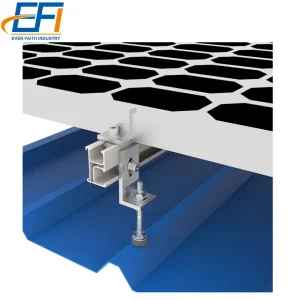
From roof hooks and mounting kits to complete solar carports and floating solutions.
 Trike Solar