Premium grade support structures engineered to withstand extreme environmental loads and deliver optimal PV module orientation globally.
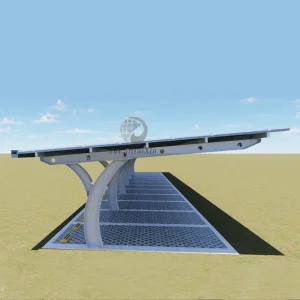
Jchx-Heavy-Duty Solar Panel Brackets for Secure Covered Parking Solutions
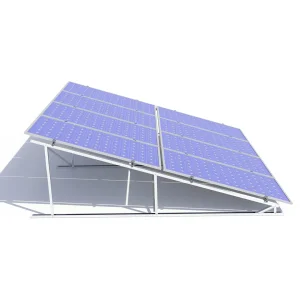
Solar Flat Roof Mounting Triangle Solar Panel Ballast Mount Roof Mount
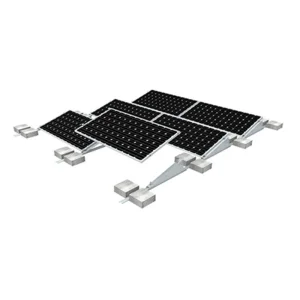
Aluminum Solar Panel Mount Structure, Solar Ballast Roof Mount on Flat Roof
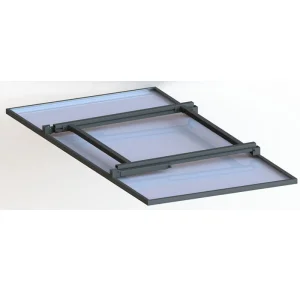
Adjustable Kit PV Mount Solar System Solar Panel Mounting Brackets Balcony
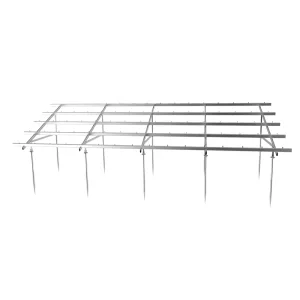
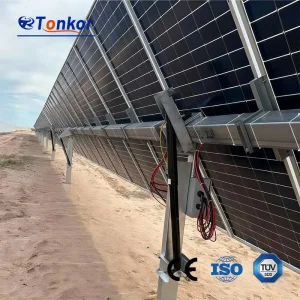
High-Precision Single Axis Solar Tracking Mount for Ground PV Systems
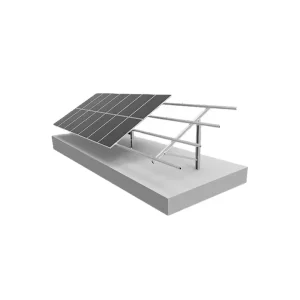
Solar Panel Pole Mounting Stand Structure with 100 Packing Qty
In the utility-scale and commercial & industrial (C&I) photovoltaic (PV) sectors, the convergence of power conversion and structural optimization is the single greatest driver of Levelized Cost of Energy (LCOE) reduction. While the solar inverter functions as the brain—managing MPPT tracking, grid synchronization, and active safety—the structural mounting framework acts as the skeletal system, ensuring mechanical persistence, structural integrity, and optimized solar angle alignment.
At Xiamen Trike Solar Co., Ltd., we operate at the intersection of these two critical technological domains. Recognizing that inverter topologies (whether centralized, string, or microinverter-based) dictate localized array layouts and wire management strategies, our engineering division designs utility-scale mounting structures, tracking brackets, and residential integration kits that directly enhance electrical performance, mitigate PID (Potential Induced Degradation), and simplify DC/AC balance-of-system (BOS) routing.
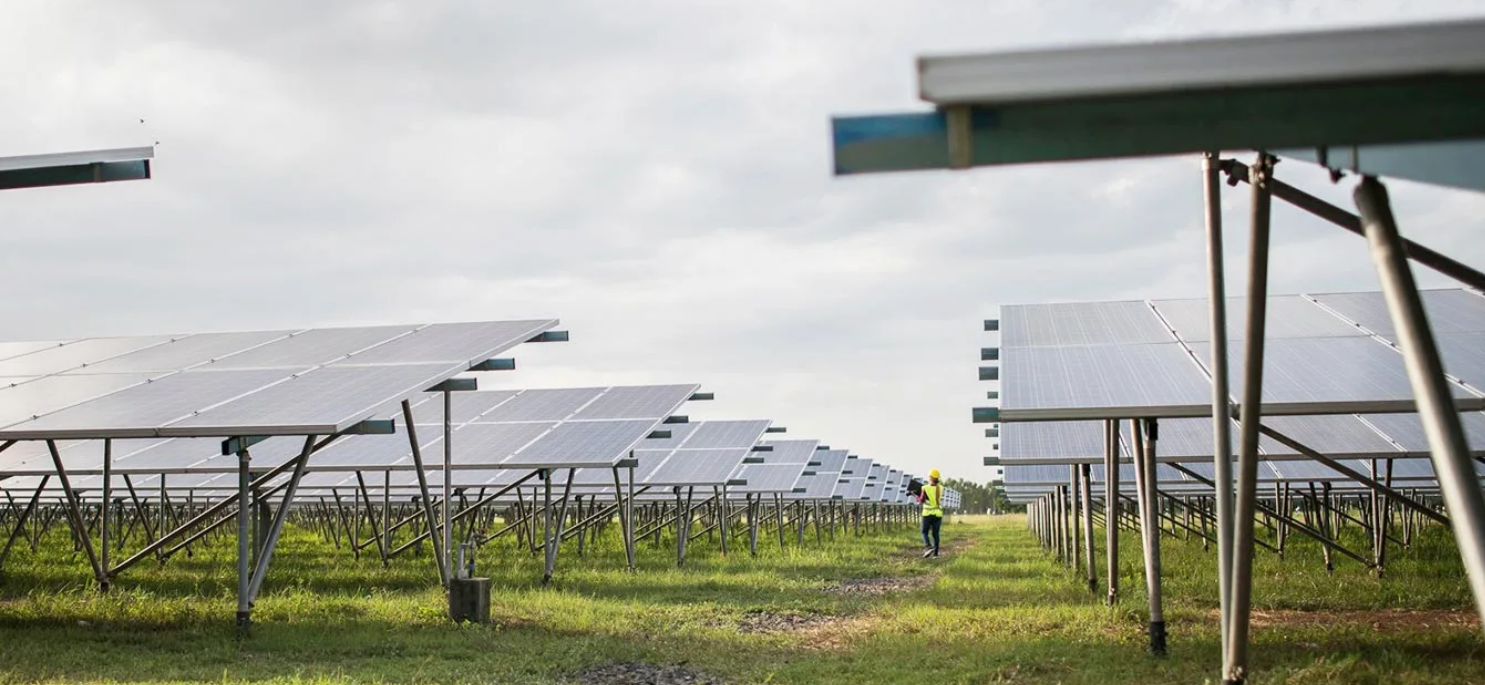
The global PV landscape is shifting toward intelligent grid-forming capabilities and higher power-density physical architectures.
Modern utility-scale installations are transitioning from central inverters to high-capacity string inverters (250kW to 350kW+). These systems require decentralized wiring and mounting architectures that accommodate heavier electrical enclosures without compromising tracking array kinetics.
Smart inverters are moving beyond grid-following to grid-forming functions, using battery energy storage systems (BESS) to stabilize grid voltage. This evolution demands robust, non-corrosive balance-of-system structures that support localized hybrid inverter units and DC-coupled battery racks.
Module-Level Power Electronics (microinverters and optimizers) are increasingly mandated by global electrical codes. Trike Solar's balcony and roof mount kits are specifically engineered with dedicated attachment channels to securely house MLPE devices underneath the modules, preserving thermal cooling.
Strategic purchasing managers balance dynamic variables to ensure low LCOE and decades of reliable operation.
Financiers require components with verified warranties, long-term track records, and internationally recognized testing certificates (TÜV, CE, UL, ISO 9001). Trike Solar's rigorous quality assurance standards align with bankability frameworks required by global financial institutions for utility-scale solar projects.
EPCs evaluate how effectively mounting structures integrate with electrical systems. Our mounts are built with integrated cable routing, pre-punched grounding paths, and modular mounting holes that decrease labor time when installing string inverters and heavy electrical combiners directly to the array.
For operations in harsh environments, materials are optimized with advanced hot-dip galvanization and anodization treatments. This guarantees structural durability up to C5-I corrosion categories, resisting wind speeds up to 60m/s and protecting delicate adjacent electrical inverter cabinets.
Xiamen Trike Solar's manufacturing facility spans over 2,000 square meters. The facility is equipped with automated manufacturing technologies, including high-precision aluminum profile cutting lines, CNC laser cutting machinery, high-speed stamping presses, and block production systems.
By consolidating vertical supply chain operations in Xiamen, Trike Solar controls every manufacturing stage—from initial raw material sourcing and alloy extrusion to precision machining and final quality inspection. This direct control minimizes material waste, keeps pricing competitive, and secures reliable lead times for global orders, even amidst shipping and supply chain challenges.
Tailored structural configurations designed to meet specific local challenges across utility, agricultural, C&I, and residential applications.
Our single-axis tracking mounts follow the sun's trajectory to optimize dynamic generation curves, aligning with high-power central inverters. They are designed to maximize PV output across large, open ground locations, including agricultural land and arid desert fields.
Our ballast triangle structures and non-penetrative clamps prevent roof leaks and distribute weight evenly. This setup creates stable platforms for solar modules, while keeping standard string inverters safe on flat concrete and pitched tile roofs.
Our floating solar mounts resist water degradation and support arrays on reservoirs, keeping adjacent high-IP-rated inverters cool. Additionally, our heavy-duty solar carports convert parking lots into clean energy generators while providing covered parking solutions.
Answering structural-electrical engineering questions to help streamline procurement and installation.
Highly adjustable components and multi-terrain systems optimized for maximum energy yields across diverse environments.
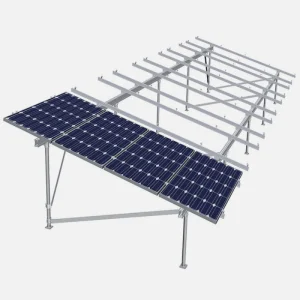
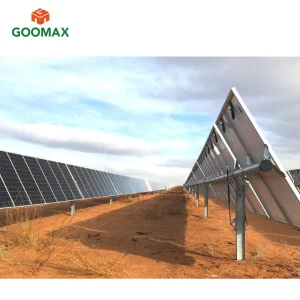
Goomax Versatile Solar Panel Tracking Solutions with Reliable Mounting Equipment for Installations
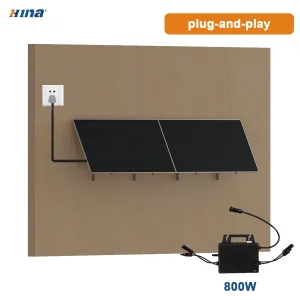
Wall Solar Bracket Kits PV Adjustable 2 Panels on-Grid Solar Panel Balcony Mount
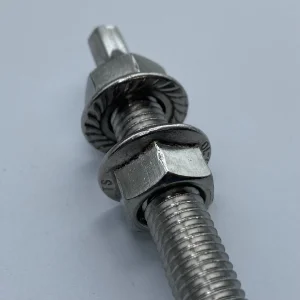
M8 M10 M12 Double Head Thread Hanger Bolt PV Tile Roof Mount System Metal Solar Mounting
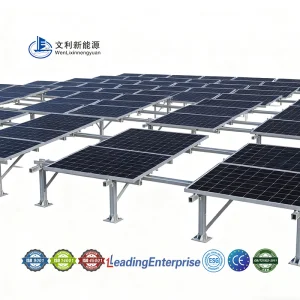
Unrestricted Floating Solar Mounting for Any Aquatic Setting
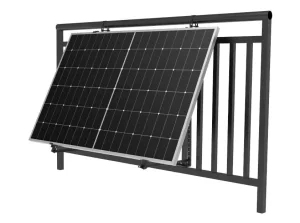
All Black Solar Triangle Tripod for Balcony or Wall or Ground Ballasted Solar Panel Mounting System
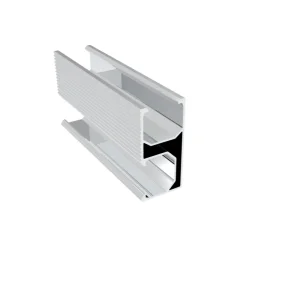
Solar PV Bracket Accessories Aluminum Bracket Rail Support Glazed Tile Roof Metal Roof Mount
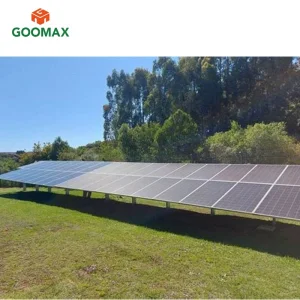
Goomax Reliable Automatic Solar Tracking Device with High-Quality Mounting Options Available
 Trike Solar