Explore our robust selection of structural mounting configurations engineered to endure harsh wind and snow load environments.
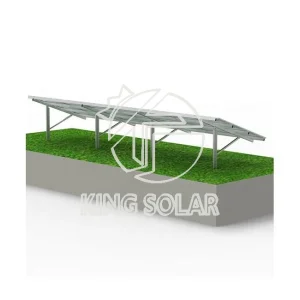
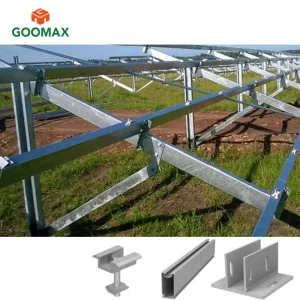
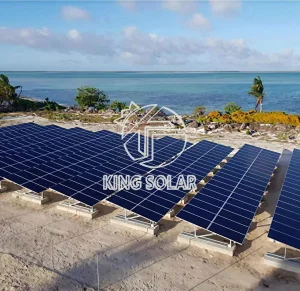
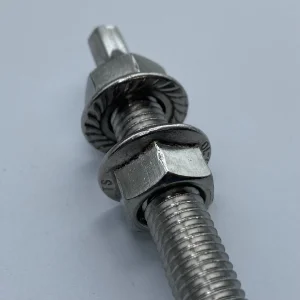
Xiamen Trike Solar Co., Ltd. is a premier, high-tech engineering enterprise headquartered in Xiamen, China. We specialize in the conceptualization, manufacturing, global supply, and optimization of cutting-edge photovoltaic structural systems.
Driven by our corporate mission—"Protecting the Ecological Environment and Building a Renewable Future"—we focus on developing highly efficient, cost-optimized, and structurally secure solar installation structures tailored for residential, commercial, industrial, and utility-scale projects worldwide.
With an engineering-first culture, our R&D team consists of structural and civil engineering experts, many boasting over 10 years of dedicated experience in the PV mounting industry. This allows us to guarantee compliance with international load parameters and deliver projects that significantly lower long-term Levelized Cost of Energy (LCOE).
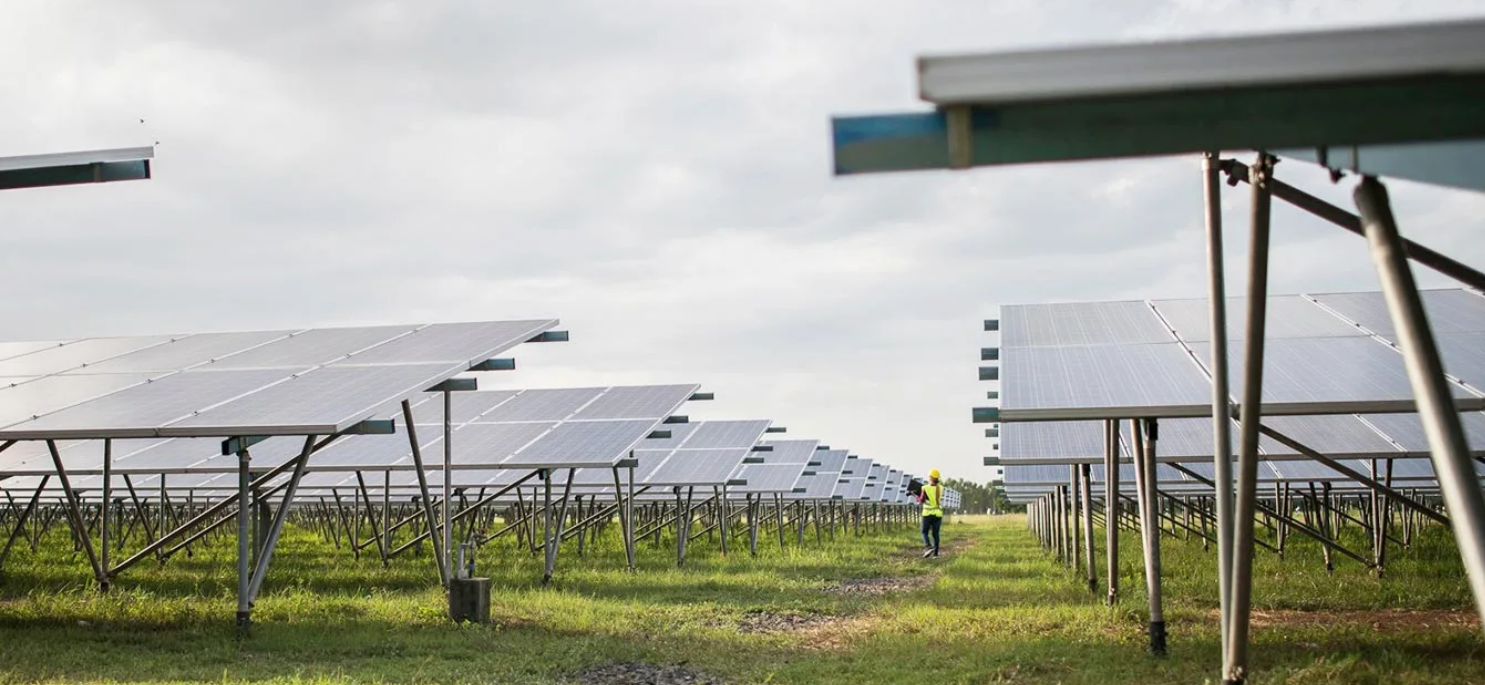
Supplied across Europe, North America, Middle East, and Asia-Pacific
Dedicated mechanical and structural design engineering specialists
High-speed CNC, extrusion processing & robotic cutting machinery
Structures engineered for severe weather and seismic zones
How structural integrity underpins financial longevity in utility and commercial PV installations.
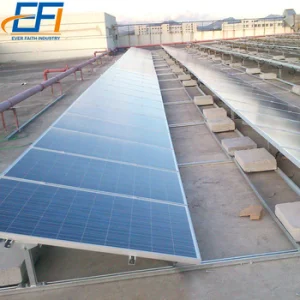
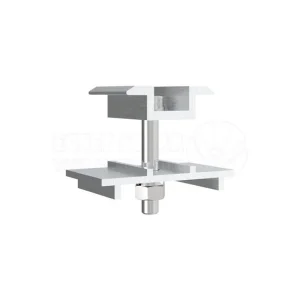
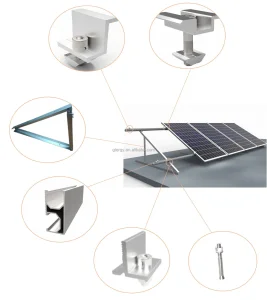
Commercial and Industrial (C&I) project developers struggle with varied roof structures. Our specialized ballast, trapezoidal clamps, and hanger bolt solutions accommodate structural load limitations while ensuring maximum module density and energy production.
With escalating severe weather patterns, solar mounting systems can no longer rely on average load configurations. We engineer specifically for localized wind patterns, snow drifts, coastal corrosion (using C5-class coatings), and high-frequency seismic zones.
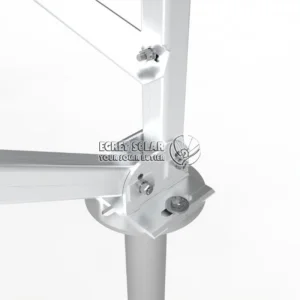
Up to 40% of solar installation costs stem from labor and onsite adjustments. Trike Solar addresses this by delivering highly pre-assembled mounting structures with optimized slot profiles, significantly accelerating installation velocity and minimizing labor costs.
Every OEM design undergoes advanced software simulation to model mechanical stress, yield points, wind uplift, and deflection metrics prior to physical extrusion.
Our state-of-the-art manufacturing facility spanning over 2,000 square meters is optimized for high-capacity output. We utilize automated aluminum extrusion cutters, advanced fiber laser cutters, high-tonnage precision punching machines, and CNC profile processors.
This technological framework guarantees tolerance thresholds under ±0.5mm, ensuring seamless modular alignment on-site. We specialize in both standardized product adjustments and fully custom project-specific fabrications.
| System Type | Material Options | Surface Treatment | Wind Load (Max) | Snow Load (Max) | Standard Compliance |
|---|---|---|---|---|---|
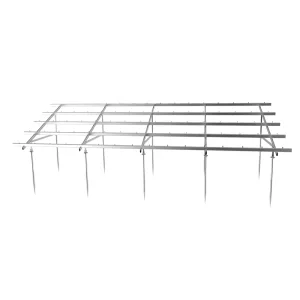
| Ground Mounting | AL6005-T5 Aluminum, Q235B / Q355B Steel | Hot-Dip Galvanizing (85μm+), Anodizing (12μm+) | 60 m/s | 1.6 KN/㎡ | AS/NZS 1170.2, JIS C8955, IBC 2021 |
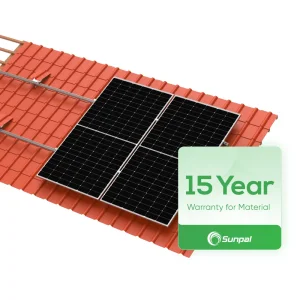
| Roof Mount (Tile/Metal) | SUS304 Stainless Steel, AL6005-T5 | Anodized, Passivated | 55 m/s | 1.4 KN/㎡ | Eurocode 3 & 9, UL 2703 |
| Ballast Flat Roof | AL6005-T5, HDG Steel | Anodized, Hot-Dip Galvanized | 45 m/s | 1.2 KN/㎡ | ASCE 7-16, TÜV Certified |
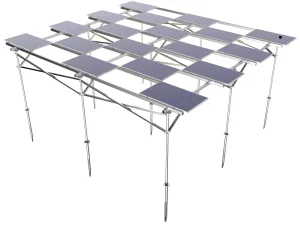
| Agrivoltaic (Greenhouse) | AL6005-T5, Q235B HDG | High-Grade Corrosion Resistance Class C4 | 50 m/s | 1.0 KN/㎡ | ISO 9001:2015, SGS Checked |
Every mounting component is designed and verified to fulfill strict regional building codes, ensuring bankability and safety over a 25-year operational lifecycle.
Engineered specifically to meet the high wind pressure criteria of the Australian and New Zealand building codes, our structures are tested to endure Cyclone region C and D requirements.
Compliant with Eurocode 3 (Design of steel structures) and Eurocode 9 (Design of aluminum structures) guidelines, delivering proven performance for public and private infrastructure across the European Union.
Aligned with the International Building Code (IBC) and UL 2703 standards for electrical bonding and grounding path safety across complex, multi-megawatt commercial rooftop configurations in the Americas.
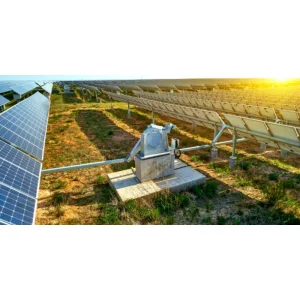
From remote agricultural lands to coastal marine environments, discover mounting systems tailored for specific operating environments.
Answers to critical questions on OEM customization, design specifications, and engineering compliance.
Typical custom OEM engineering designs take 5 to 7 business days from structural data submission. Following design approval, extrusion and fabrication processes usually require 15 to 25 days depending on the volume and raw material specifications.
We use specialized non-conductive rubber isolation washers and UV-stabilized composite EPDM spacers between dissimilar metals (e.g., aluminum rails and stainless steel hanger bolts or hot-dip galvanized ground structures). This mitigates the risk of galvanic oxidation and preserves system integrity.
Yes, we provide detailed stress analysis reports and engineering documentation according to AS/NZS 1170.2, Eurocode 9, or local building regulations. We can also coordinate with local third-party structural engineers to secure formal state-specific stamp approvals.
Our quality control protocols include chemical composition verification via spectroscopy, coating thickness measurements (magnetic and eddy current methods), tensile strength validation, salt spray environmental testing, and load deflection tests.
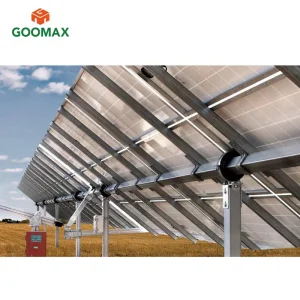
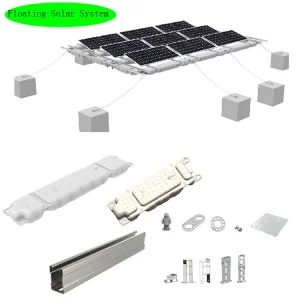
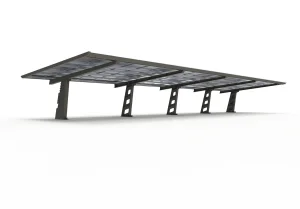
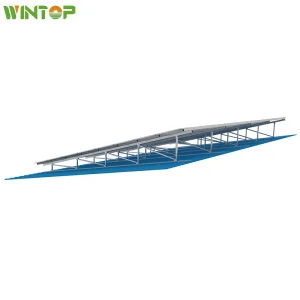
Engineered options built to integrate with agricultural frameworks, tracking components, and unique roof surfaces.
 Trike Solar