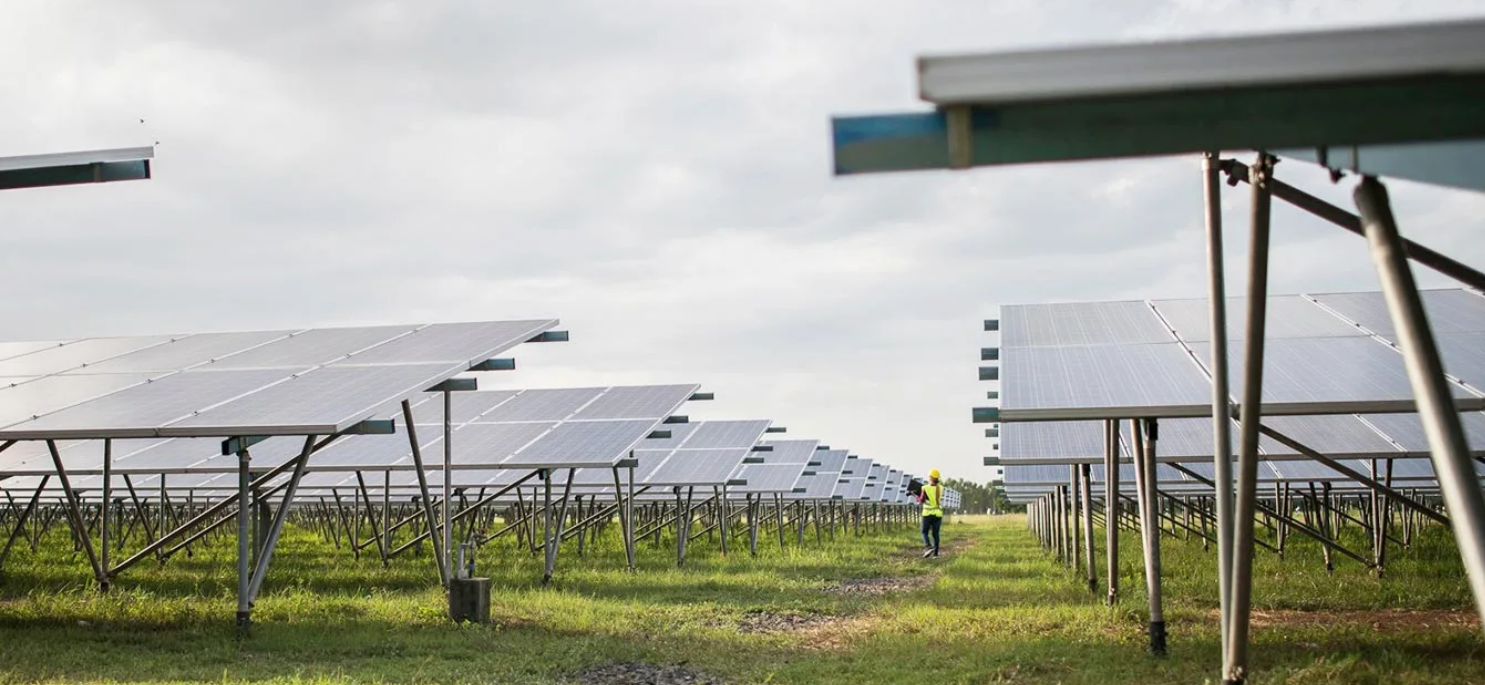
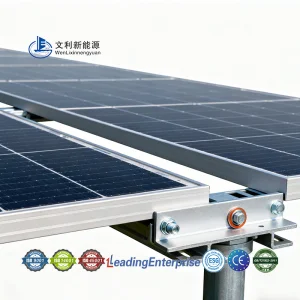
In the global effort to decarbonize commercial and industrial utility sectors, the architectural engineering of solar mounting structures has transitioned from a basic steel commodity to a highly engineered component. Solar mounting structures are critical to protecting large solar assets; they act as the structural framework that withstands high winds, heavy snow loads, and seismic activities over their planned 25-to-30-year operational lifespans.
As the solar market shifts toward higher power capacity, larger bifacial modules, and smarter tracking algorithms, structural systems must adapt. Engineering decisions directly impact localized project CapEx, structural degradation rates, and overall asset risk profiles. Specifying standard aluminum profiles without considering project-specific environmental challenges can lead to micro-fracturing in PV cells and catastrophic system failures during high wind events.
Levelized Cost of Energy (LCOE) is closely linked to mechanical reliability. Robust engineering guarantees that racking systems minimize static deflections and dynamic aeroelastic vibrations, helping projects maintain steady power generation profiles and lower insurance premiums.
Our Xiamen facility utilizes automated aluminum profile cutting and CNC machining units to process high-tensile AL6005-T5 and hot-dip galvanized (HDG) steels. Automated punching, milling, and assembly guarantee dimensional tolerances within ±0.5mm across production runs.
Located near the deep-water port of Xiamen, Trike Solar has access to major regional raw material suppliers and global maritime freight lanes. This position helps stabilize material costs, minimize domestic transit overheads, and streamline containerized shipping schedules.
Quality checks are performed at every stage of production, from raw billet spectral analysis to packaging checks. Anodized layers on aluminum brackets are inspected for thickness (minimum ≥10μm) and seal quality to ensure corrosion resistance in humid environments.
The solar racking industry is moving toward integrated smart solutions. Future installations will require structures to interact dynamically with meteorological sensor arrays, adjusting tilt and alignment in real time to optimize energy yield and protect assets from high wind loads.
Modern ground mounting systems use high-precision astronomical algorithms combined with real-time solar positioning sensors. Backtracking functionality adjusts adjacent tables to eliminate shadows during early morning and late afternoon hours, optimizing generation capacity.
In highly corrosive coastal, desert, or industrial environments, traditional galvanization is being updated with Zinc-Aluminum-Magnesium (ZAM) coatings. These coatings provide self-healing properties along cut edges, improving protection against rust and structural degradation.
Building-Integrated Photovoltaics (BIPV) require structural mounting brackets that serve as both generation mounts and primary roofing elements. R&D focuses on developing water-tight, thermally isolated structural gaskets that meet building enclosure standards.
| Application Type | Primary Material System | Wind Load Capacity | Optimized Use-Case Scenario |
|---|---|---|---|
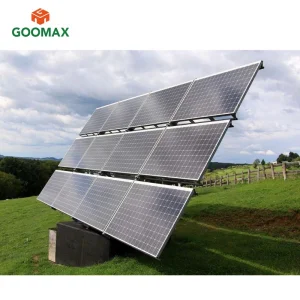
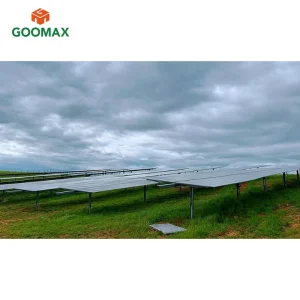
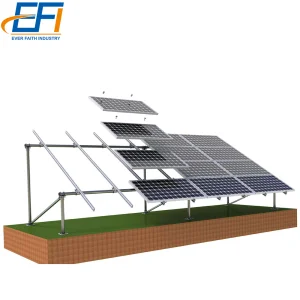
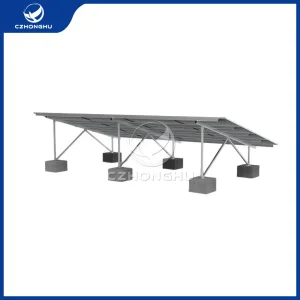
| Utility-Scale Ground Mounts | Q235B / Q355B HDG & AL6005-T5 | Up to 60 m/s | Flat terrains, brownfield developments, remote dry-lands |
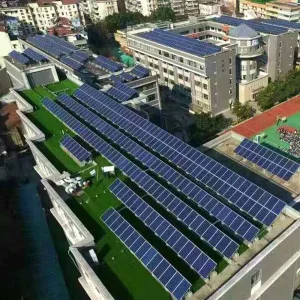
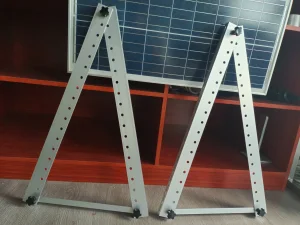
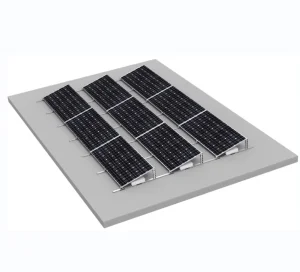
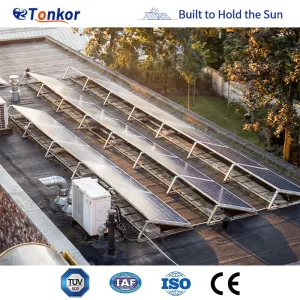
| C&I Flat/Pitched Roofs | Anodized Aluminum 6005-T5 | Up to 55 m/s | Industrial warehouses, factory roofs, low-load bearing decks |
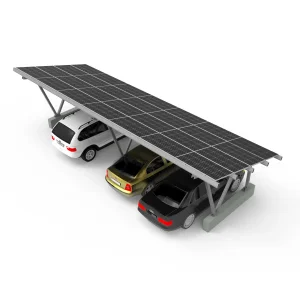
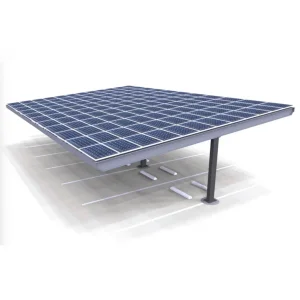
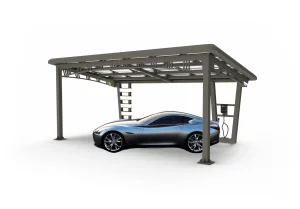
| Waterproof Solar Carports | Structural Carbon Steel / Aluminum | Up to 50 m/s | Commercial parking facilities, fleet charging stations |
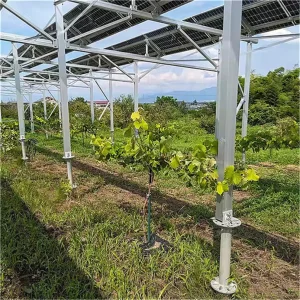
| Agricultural Greenhouse Mounts | High-Clearance AL6005-T5 & HDG | Up to 45 m/s | Agrivoltaic systems requiring machinery clearance & light transmission |
Projects in cyclonic regions (like the Australian coastline or Gulf of Mexico) or high-altitude snow regions require customized structural engineering. Racking designs must be validated with FEA (Finite Element Analysis) models to confirm load performance.
Project financiers look closely at structural certifications. Having mounting systems certified by recognized bodies like TÜV, UL, CE, and AS/NZS 1170.2 is essential for securing project debt and risk coverage.
Labor is a significant cost factor in western utility developments. Pre-assembled structural components, smart click-in clamps, and clear installation guides help reduce site work hours and lower project CapEx.
Deploying energy assets worldwide requires strict compliance with localized structural standards. Every region presents unique challenges—from Eurocode 3 structural steel design specifications in Europe to IBC/ASCE 7 load requirements in the United States and AS/NZS 1170.2 wind actions in Australia.
Trike Solar provides engineering support to adapt racking layouts to regional code requirements. This process includes verifying soil profiles for ground screw installations, calculating structural pull-out resistance, and adjusting member profiles to match localized snow loads and wind conditions.
Xiamen Trike Solar Co., Ltd. is a high-tech enterprise based in Xiamen, China, specializing in the design, manufacture, and supply of solar energy mounting solutions. Guided by our mission to "Protect the Ecological Environment and Build a Renewable Future," we work to deliver high-quality, cost-effective, and easy-to-install solar structures to clients worldwide.
Led by an engineering team with over 10 years of experience in the renewable energy industry, Trike Solar develops mounting solutions tailored for residential, commercial, and utility-scale projects. Our systems are engineered for stability and durability, helping clients lower long-term operating costs, optimize asset output, and transition smoothly to clean energy.
Our products are deployed in over 100 countries and regions across Europe, North America, Africa, Southeast Asia, and the Middle East, demonstrating the global reliability of our structural solutions.
 Trike Solar