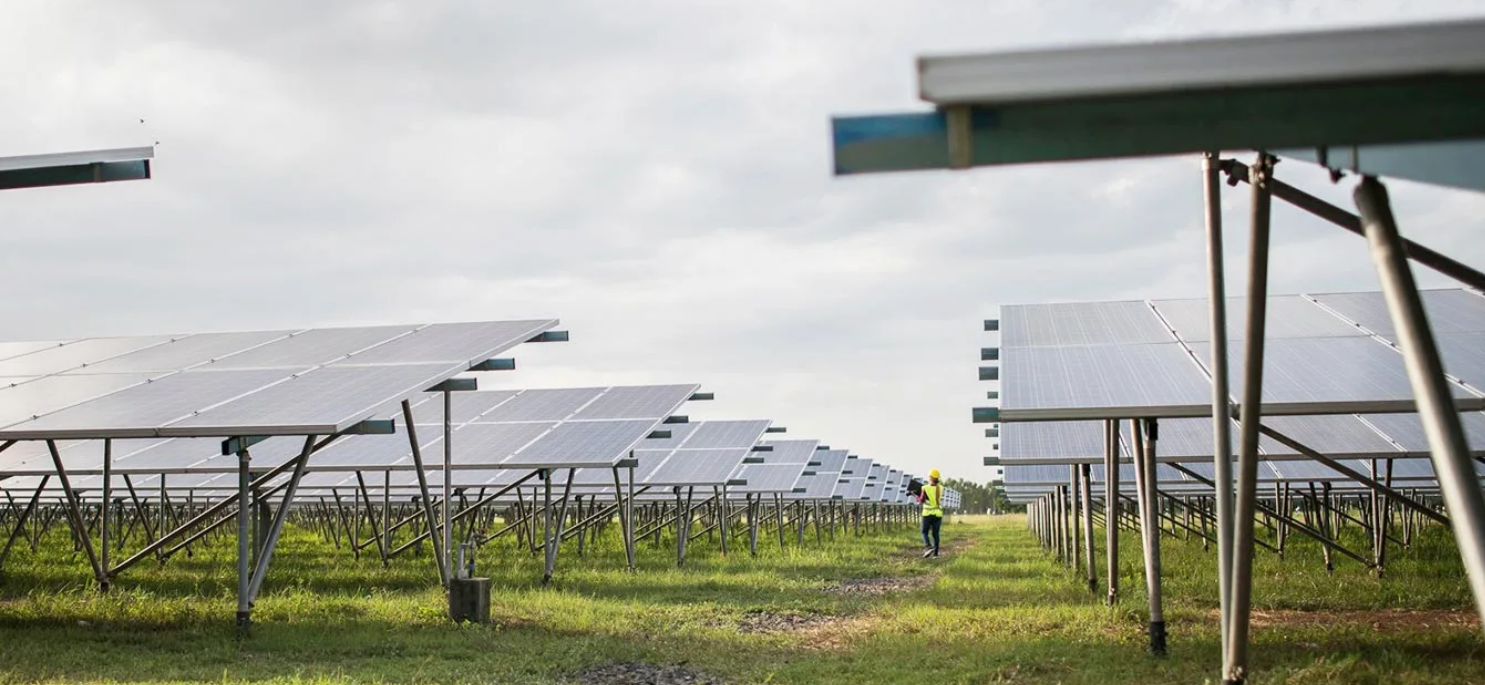
Engineered to withstand intense equatorial UV rays and torrential rains, our leading solar awning structures provide structural safety and maximized energy yield.
In-depth structural analysis, economic feasibility, and localized engineering optimization guidelines for Sub-Saharan infrastructure.
The Democratic Republic of the Congo (DRC) sits on one of the most resource-dense territories globally, yet it faces persistent grid deficits. With a national electrification rate estimated at less than 15% (and under 1% in rural zones), industrial centers, particularly the mining giants in the Lualaba and Katanga provinces, are increasingly forced to seek decentralized energy security. The region experiences an average daily solar irradiance of 5.5 to 6.5 kWh/m²/day, making photovoltaic (PV) systems the most viable utility alternative to heavy diesel reliance.
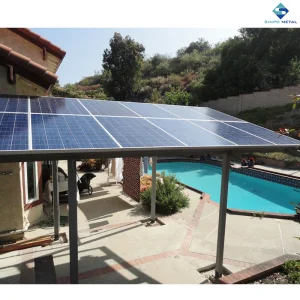
Deploying PV arrays in equatorial zones, however, presents unique engineering hurdles. Traditional rooftop PV systems often compete with ventilation requirements or suffer from excessive heat-induced efficiency losses. Solar Awning Mounts resolve these challenges by providing dual benefits: they shade building facades and windows (reducing internal cooling loads by up to 30%) while positioning panels at angles engineered to maximize solar exposure. The structural mounts must be built to withstand highly volatile tropical microclimates, characterized by sudden wind shears of up to 45 m/s during monsoon seasons and highly acidic, humid air in mineral-rich industrial districts.
Did you know? In mining cities like Kolwezi, ambient humidity combined with atmospheric sulfur and chemical dust demands a minimum anodization thickness of Class AA15 (15μm) for all structural aluminum profiles to ensure a 25-year structural design life without oxidation failures.
Globally, B2B procurement for commercial solar awnings has transitioned from onsite custom welding to factory-manufactured prefabricated systems. EPC (Engineering, Procurement, and Construction) companies operating in DRC, Europe, and the Middle East prioritize modular structural kits to minimize local labor costs and installation mistakes on site.
As a leading hub for PV mounting engineering, Xiamen, China provides unmatched industrial advantages. The cluster enables complete integration of the production chain: from raw aluminum extrusion, automated CNC drilling, and hot-dip galvanizing, to rigorous load tests in specialized wind tunnels. Sourcing from specialized manufacturers like Xiamen Trike Solar Co., Ltd. ensures that developers receive premium structural grades (such as high-strength Al6005-T5 and hot-dip galvanized steel Q235B/Q355B) matching ISO 9001 and CE certifications, yet at unit costs up to 40% lower than regional counterparts.
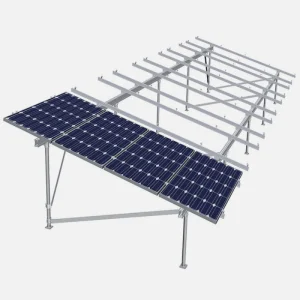
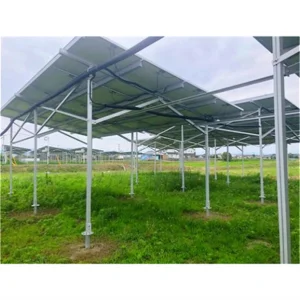
Pre-engineered structures tailored for dual-use agricultural solar arrays and commercial installations across the Congo Basin.
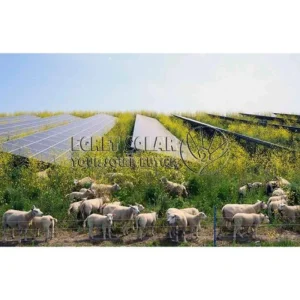
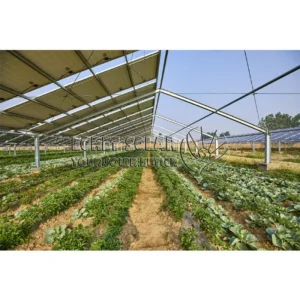
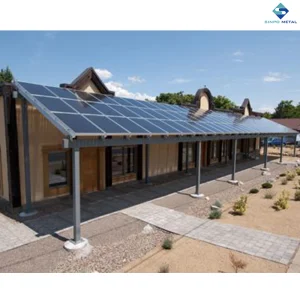
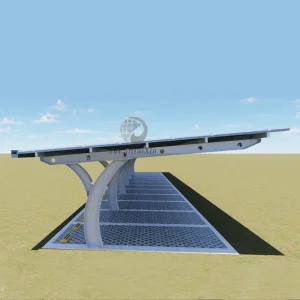
Understanding how solar awning mounting structures integrate into real-world applications in the DRC is essential for designing resilient PV networks. Here are the three primary deployment fields:
Highly engineered interlocking joints reduce onsite setup times by up to 50%, requiring minimal specialized tools.
Structurally analyzed using Finite Element Method (FEM) to withstand storm wind forces up to 160 km/h.
Utilizes AL6005-T5 with thick anodized layer plus SUS304 steel fasteners to prevent bimetallic corrosion.
As a leading high-tech enterprise based in Xiamen, China, we specialize in the development, manufacturing, and sales of solar energy solutions. Committed to the mission of "Protecting the Ecological Environment and Building a Renewable Future," we strive to offer efficient, cost-effective, and easy-to-install solar products and services to customers worldwide.
With a team of highly experienced engineers, many with over 10 years of expertise in the renewable energy industry, Trike Solar is dedicated to providing tailored solar mounting systems for residential, commercial, and industrial applications. Our solutions help clients achieve energy independence, reduce long-term operating costs, and ensure reliable execution under extreme global weather patterns.
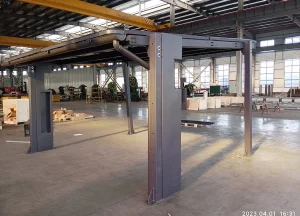
Our manufacturing facility covers over 2,000 square meters and is equipped with advanced production machinery. Utilizing state-of-the-art technology—including automatic aluminum profile cutting machines, laser cutting machines, punching machines, and block machines—we control every production phase from order receipt to final delivery. Our products are deployed in over 100 countries, demonstrating global B2B trust.
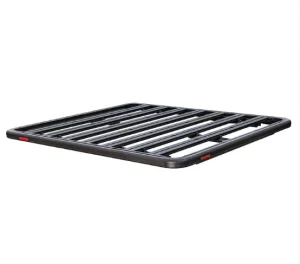
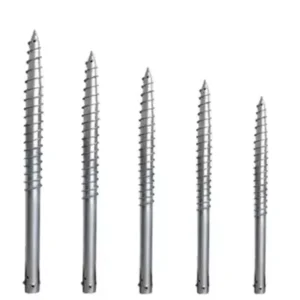
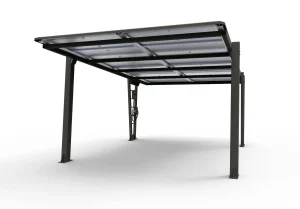
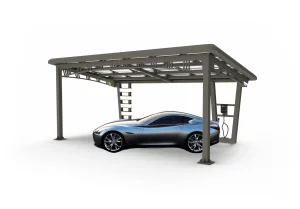
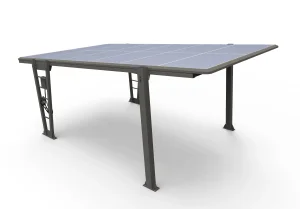
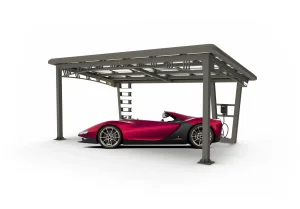
Explore our comprehensive industrial catalog, designed for heavy carports, residential awnings, and extreme environment setups.
For international procurement departments importing solar structures into the DR Congo, navigating transport corridors is as critical as validating structural blueprints. The two primary freight routing paths are:
At Trike Solar, we guarantee secure ocean packaging, detailed labeling of components to expedite customs checks, and full provision of compliance certificates (including structural calculation sheets, material mill certificates, and anodization depth guarantees).
Expert insights on sizing, wind loads, corrosion protection, and importing solar mounting structures to Central Africa.
Get in touch with our lead structural engineers today to receive a free design layout, wind load calculation, and custom quote for the Democratic Republic of Congo market.
Send Inquiry Now Trike Solar