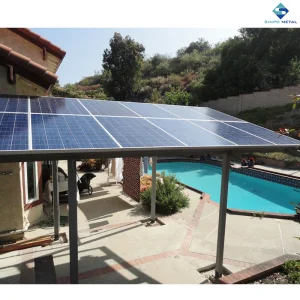
Explore our premium select range of solar awning mounts specifically customized and engineered for installation in extreme coastal climates like Naples, Florida, and wind-prone zones globally. These assemblies leverage advanced corrosion mitigation systems and robust mechanical interfaces to secure commercial, agricultural, and custom industrial setups.
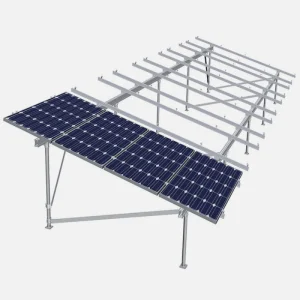
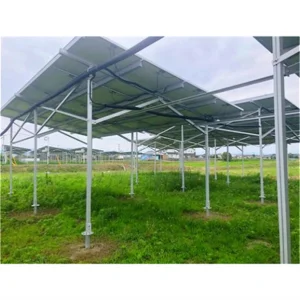
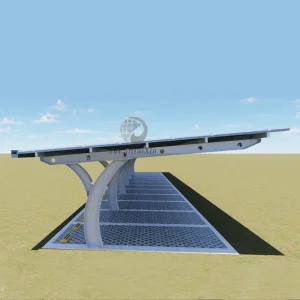
The transition toward high-yield renewable energy in coastal regions presents a unique array of engineering opportunities and physical constraints. In Naples, Florida, and surrounding municipalities throughout Southwest Florida, solar installers and general contractors operate within some of the strictest building envelope guidelines in the world. As the region experiences sustained commercial development and increased solar adoption, the application of PV installations has transitioned from simple, roof-mount systems to complex architectural features such as solar carports, solar awnings, and shaded solar canopies.
Solar awnings, specifically, serve a dual purpose: they capture high-angle solar irradiance to generate reliable clean electricity, and they actively shade building facades, reducing heat transfer into commercial properties and subsequently reducing HVAC cooling loads. However, the physical environment of Naples imposes serious demands on structural systems:
Unlike inland PV structures, solar awnings in coastal Southwest Florida must be structurally evaluated to withstand wind speeds exceeding 160 MPH, as outlined in ASCE 7-16/7-22 wind design criteria. Solar awnings act as aerodynamic foils; under high wind flow, uplift and downforce vectors are exponentially amplified. The structural mounting systems must possess appropriate anchorages, engineered shear pins, and high-tensile material properties to withstand cyclic load reversals during hurricanes without compromising the building's facade.
Proximity to the Gulf of Mexico means the atmospheric air contains high concentrations of chloride ions. Typical industrial steel mounting systems undergo accelerated pitting and galvanic corrosion in these settings. To deliver a 25-year design life, Trike Solar utilizes premium structural metals, such as anodized aluminum alloys (AL6005-T5) and hot-dip galvanized steel (minimum coating thickness of 85 microns), complemented by high-strength SUS304/SUS316 stainless steel fasteners. This prevents galvanic corrosion at the contact points between dissimilar metals.
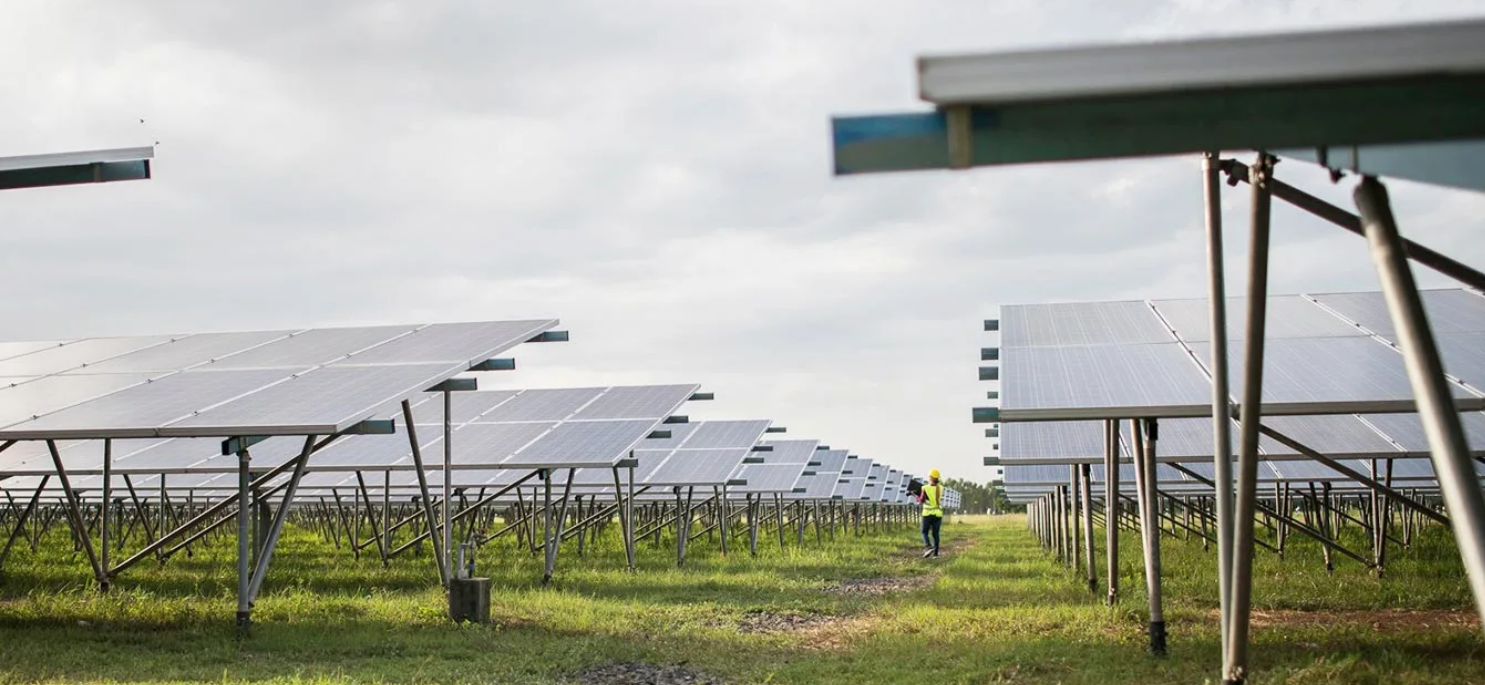
For operations expanding outside the urban footprint of Naples into agricultural zones and large-scale commercial facilities, we export heavy-duty structural mount options. These systems accommodate diverse geographical features, from sandy coastal soils to reinforced industrial asphalt parking envelopes.
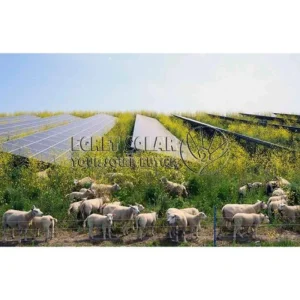
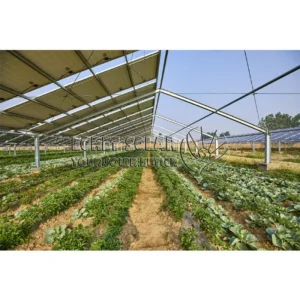
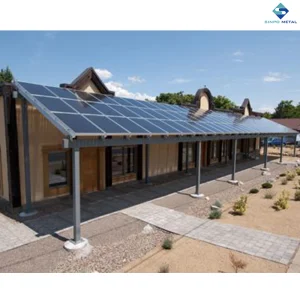
Solar awnings act as cantilevers extending from the vertical surface of a building, which creates unique torque challenges compared to standard roof installations. In Naples, the windward side of a building faces high positive pressure, while the leeward side experiences high negative suction. Designing a cantilevered structure to withstand these dynamic wind patterns requires advanced engineering design and material selection.
Trike Solar's engineering team utilizes Finite Element Analysis (FEA) to verify the performance of every components under local wind parameters. By calculating simulated stress vectors, our engineers optimize member profiles and connection joints. This ensures maximum strength while avoiding excessive material weight, which could otherwise overload the building's structural framework.
| Material Element | Common Standard Option | Trike Solar Premium Specification | Naples Environmental Benefit |
|---|---|---|---|
| Structural Frame | Q235 Mild Steel / Standard AL6063 | AL6005-T5 Structural Anodized Aluminum | Provides superior yield strength (up to 260 MPa) and exceptional resistance to salt-water corrosion. |
| Anodizing Thickness | 10 - 15 Microns | AA25 (Minimum 25 Microns) | Formulated specifically to combat marine-air salt spray, preventing pitting corrosion for over 25 years. |
| Fasteners & Hardware | Electro-galvanized Carbon Steel | Stainless Steel SUS304 / SUS316 | Eliminates galvanic coupling degradation between the fasteners and aluminum structure. |
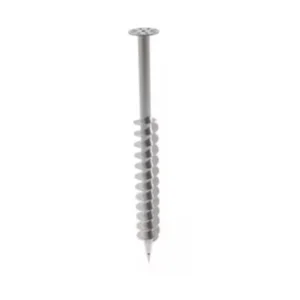
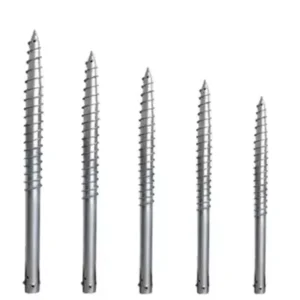
| Foundation Options | Standard Concrete Blocks | Helical Screws / Customized Chemical Anchors | Resists sand-erosion and soil shifts typical of coastal soils in Southwest Florida. |
When engineering awning mounts for Southwest Florida, our designs incorporate the latest revisions of the Florida Building Code (FBC). Structural calculations balance three core force envelopes: Dead Load (weight of the solar panels and aluminum framing), Live Load (temporary maintenance loads), and Wind Load (ASCE 7 calculations). Dynamic pressure ($q_z$) is evaluated based on exposure category (Exposure C for typical open terrain, Exposure D for unobstructed coastal exposures directly facing the water). Our mounting rails utilize specialized T-bolt slots and pre-assembled mid/end clamps that grip the PV modules securely, preventing framing pull-out even during Category 5 wind events.
As a seasoned exporter servicing developers, EPC firms, and distributors in Naples and globally, Xiamen Trike Solar Co., Ltd. has developed a streamlined supply chain designed to simplify international shipping, customs, and compliance. B2B procurement of structural steel and aluminum solar brackets requires managing strict deadlines, shipping logistics, and compliance with importing regulations.
Our direct-to-port logistics model utilizes major maritime hubs (such as the Port of Xiamen) to deliver shipments directly to major ports in the Southeastern United States, including Port Miami, Port Everglades, and Port Tampa Bay. This ensures reliable lead times and cost-effective shipping for bulk commercial orders. By controlling the entire process from structural design to extrusion, surface treatment, and packaging, we help our clients minimize project delays and avoid unexpected costs.
For custom engineering projects, Trike Solar offers comprehensive OEM and ODM support. EPC contractors in Florida can supply our team with structural drawings, building elevations, and regional wind requirements. Our in-house engineering department will model the solar awnings, run structural calculations, and supply CAD files and component submittals for local building department approval. This collaborative process streamlines structural certification, ensuring that the imported components assemble smoothly on-site without field modification.
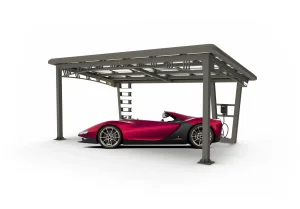
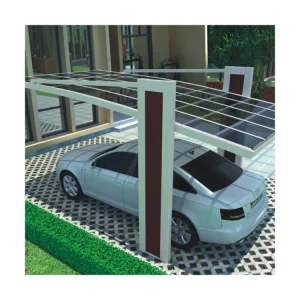
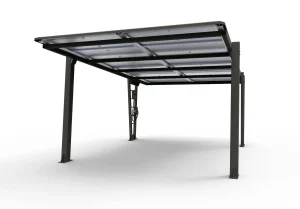
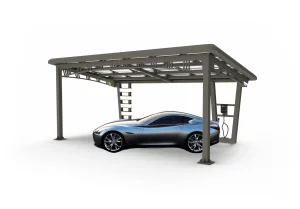
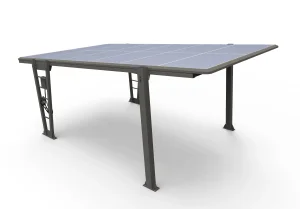
Browse our complete catalog of solar mounting solutions, ranging from residential carports and shade awnings to portable heavy-duty brackets and high-strength ground anchors. Each component is manufactured to strict international quality standards, ensuring reliable performance in demanding environments.
Xiamen Trike Solar Co., Ltd. is a leading high-tech enterprise based in Xiamen, China, specializing in the development, manufacturing, and sales of solar energy solutions. Committed to the mission of "Protecting the Ecological Environment and Building a Renewable Future," we strive to offer efficient, cost-effective, and easy-to-install solar products and services to customers worldwide.
With a team of highly experienced engineers, many with over 10 years of expertise in the renewable energy industry, Trike Solar is dedicated to providing tailored solar mounting systems for residential, commercial, and industrial applications. We ensure the highest levels of performance, reliability, and durability in every product. Our solutions help clients achieve energy independence and reduce long-term operating costs, while contributing to a greener planet.
Our manufacturing facility covers over 2,000 square meters and is equipped with advanced production machinery and equipment. We utilize state-of-the-art technology, including automatic aluminum profile cutting machines, laser cutting machines, punching machines, and block machines, to ensure precision and efficiency in every step of the production process. With a strict quality control system in place, we manage every phase of production—from order receipt to final delivery—to ensure that each product meets international standards.
Trike Solar's products are sold and deployed in over 100 countries and regions, including Europe, North America, Africa, Southeast Asia, and the Middle East. Our international presence reflects the trust and recognition that customers place in our solutions. Whether for large-scale commercial solar projects or small residential installations, we offer reliable, efficient solutions that help customers make the transition to renewable energy.
As a company focused on renewable energy, Trike Solar is dedicated to innovation and product optimization, driving the global adoption of green energy. We believe that by providing high-quality products and exceptional service, we can help our customers reduce energy consumption, lower their carbon footprints, and contribute to a more sustainable future. We are committed to working with our clients and partners to create a smarter, more environmentally friendly future powered by renewable energy.
Review standard solutions to technical questions from structural engineers, permitting coordinators, and B2B procurement managers regarding the installation of solar awnings in Naples and other high-wind coastal environments.
Trike Solar systems are engineered to withstand structural wind loads starting from 140 MPH up to 180 MPH, depending on localized site criteria. Our structural designs comply with ASCE 7-16 and ASCE 7-22 wind load requirements, making them suitable for use in Florida's High-Velocity Hurricane Zones (HVHZ).
We utilize high-grade anodized aluminum (AL6005-T5) for rails and brackets, treated with an anodizing layer of up to 25 microns (AA25). To prevent galvanic corrosion at contact points with steel components or fasteners, we use SUS304/SUS316 stainless steel hardware and non-conductive isolation pads, protecting the installation from saltwater air degradation.
Yes, we provide fully detailed structural CAD drawings, material data sheets, and structural calculation reports. These documents detail load paths and reaction forces, providing the technical information needed for local engineering reviews and building permits.
Standard fabrication for pre-engineered designs takes 15–20 days at our facility in Xiamen, China. Sea freight to Eastern United States ports (such as Miami or Tampa Bay) takes approximately 30–35 days. For custom OEM orders, engineering approval takes an additional 7–10 days before production begins.
By shading building walls and window openings, solar awnings block direct solar heat gain before it penetrates the building envelope. This reduces overall heat transfer, helping to lower indoor temperatures and reduce HVAC energy consumption, in addition to the power generated by the solar panels.
Contact Trike Solar's technical engineering department today. Whether you require standard product pricing, custom OEM bracket extrusion, or complete structural submittals, our engineering team is here to support your project.
Send Inquiry Now Trike Solar