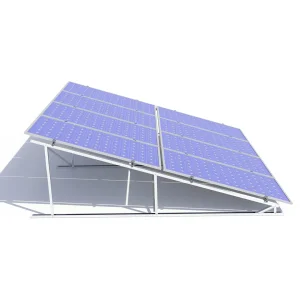
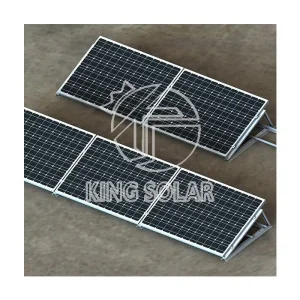
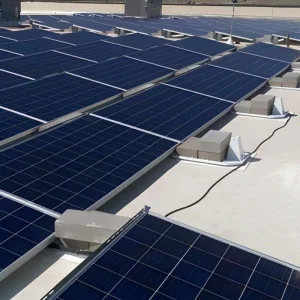
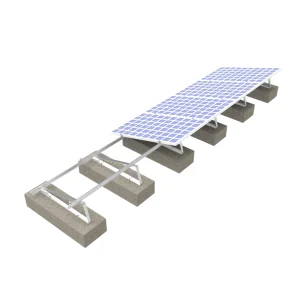
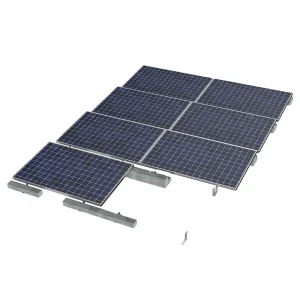
Engineered for high structural stability on concrete flat roofs without compromising waterproofing layers.
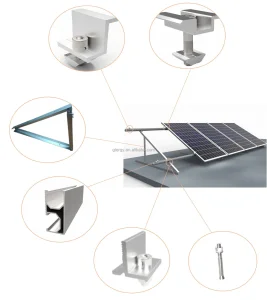
An in-depth look at energy dynamics, structural requirements, and infrastructure challenges in Sub-Saharan Africa.
In the Central African Republic (CAR), particularly in metropolitan hubs like Bangui, Bimbo, and Mbaïki, grid reliability remains a significant challenge for Commercial and Industrial (C&I) operations. Businesses face some of the highest levelized costs of electricity (LCOE) in the world, largely due to heavy reliance on expensive imported diesel fuel for backup generators.
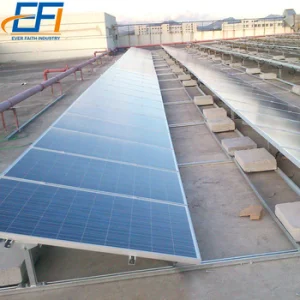
Deploying Solar Flat Roof Ballast Mounts offers C&I operations a rapid path to energy independence. Flat concrete rooftops of warehouses, timber processing facilities, food processing plants, and international agency compounds present ideal platforms for PV arrays. By integrating non-penetrating solar structures, businesses can seamlessly transition to hybrid PV-diesel-battery microgrids without incurring risks associated with building modifications.
The Central African Republic features a tropical climate with a severe wet season that deposits up to 1,500mm of rain annually. Standard roof-penetrating mounts pose a high risk of leakage, leading to concrete deterioration and structural compromises.
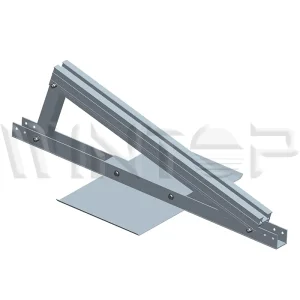
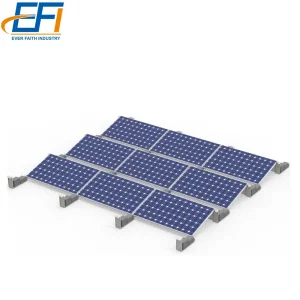
Our ballast mount solar systems resolve this challenge by securing arrays using gravity and calculated aerodynamic profiles instead of mechanical roof penetrations. Optimized wind deflector plates and precise concrete blocks prevent slippage and uplift, ensuring stable performance during equatorial storms while keeping the roof's waterproofing layer intact.
Why structural engineers prefer Trike Solar’s aluminum ballast mounting racks for Central African projects.
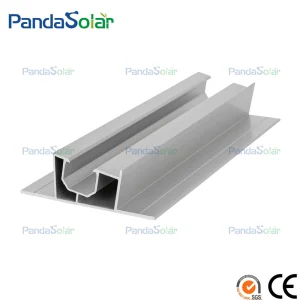
Constructed using high-strength extruded Aluminum Alloy AL6005-T5 and stainless steel SUS304 hardware. Anodized surface treatment (coating thickness ≥ 12μm) ensures robust protection against high humidity, UV exposure, and environmental wear.
Utilizes custom concrete foundation blocks calculated based on regional wind profiles, local roof heights, and specific tilt configurations (typically 10° to 20° for optimal solar capture in Sub-Saharan latitudes).
Requires zero structural drilling. The system relies on heavy ballast loads and EPDM rubber buffers, preserving membrane integrity and preventing water ingress during heavy equatorial downpours.
As a leading high-tech manufacturer in Xiamen, China, Xiamen Trike Solar Co., Ltd. specializes in the development, manufacturing, and distribution of robust solar mounting systems. Our 2,000-square-meter facility features automated laser cutters, precision punch machinery, and specialized extrusion lines, ensuring that every production run meets international standards.
Shipping heavy industrial equipment to landlocked countries in Central Africa requires careful planning. We manage secure transport from Xiamen Port to major regional entry points, including Douala Port in Cameroon. From there, we coordinate overland transit along the Douala-Bangui corridor. To minimize transit risks and control costs, our mounting components are pre-assembled and packed flat, reducing shipping volume and saving space in containers.
By working directly with Trike Solar, EPC contractors in Africa benefit from direct-from-factory pricing, custom engineering support, and reliable quality control. This direct supply chain bypasses regional middlemen, lowering overall project costs.
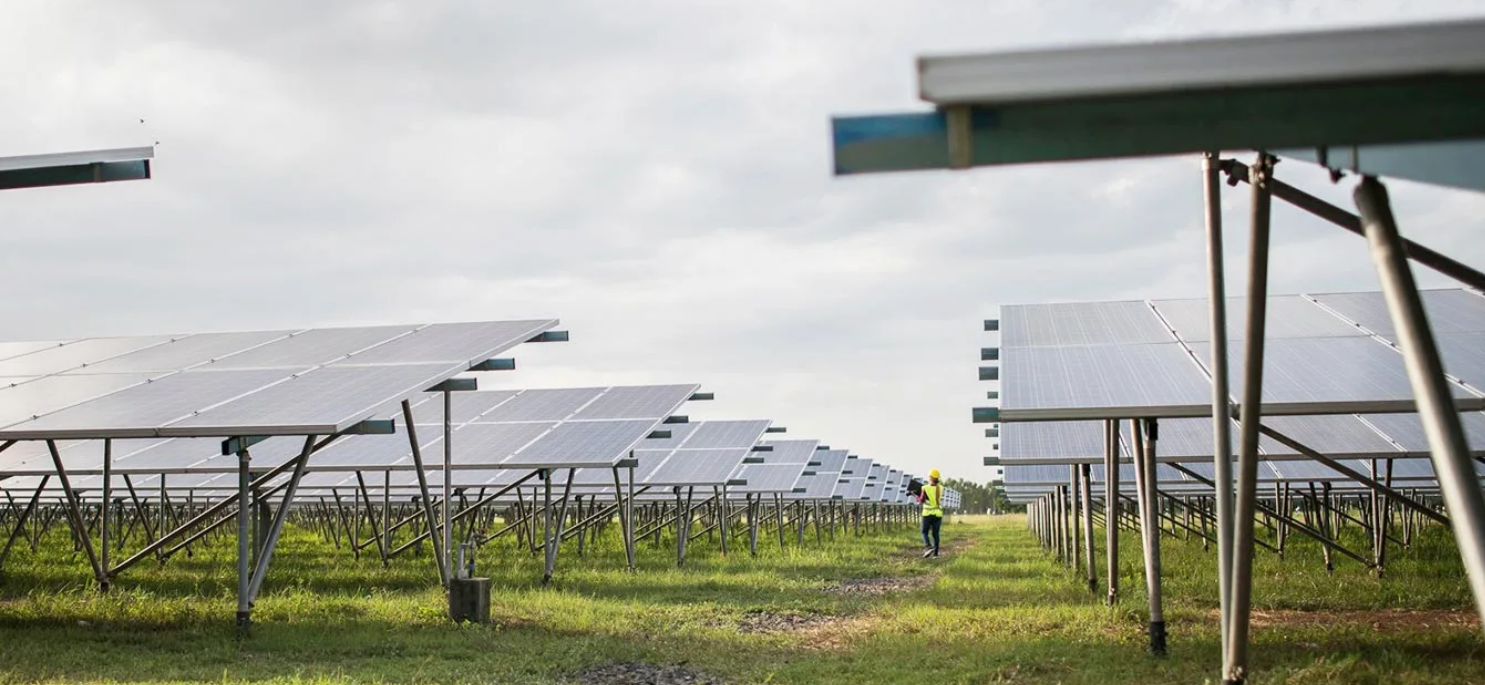
Trike Solar modern factory: utilizing automated manufacturing technologies for reliable solar structures.
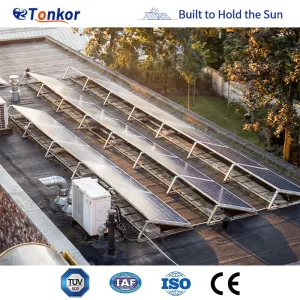
Real-world integration options for urban and rural energy infrastructure projects.
UN agencies, aid compounds, and diplomatic offices in Bangui require secure energy sources. Ballasted PV systems provide clean energy without altering leased structural properties.
National telecom stations require continuous power. Concrete flat-roof mounts offer a low-maintenance, wind-resistant platform for rooftop off-grid solar arrays.
Food processors and timber mills rely on stable power to maintain cold chains and manufacturing lines. Ballast mounts allow for rapid rooftop PV deployment to offset daytime energy costs.
Explore our full range of structural solutions designed for flat roof C&I applications.
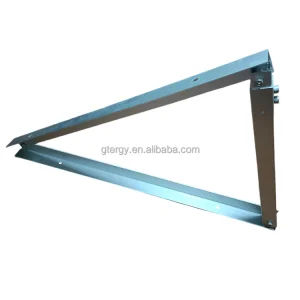
Essential guidance on importing, installing, and engineering ballast mounting systems in Central Africa.
Concrete roofs in tropical regions like Bangui experience heavy rainfall. Drilling holes for standard mount anchors can compromise waterproofing, resulting in leaks and interior damage. Ballast mounts use concrete blocks and optimized wind defectors to secure the array via gravity, avoiding penetration and keeping the building's roof membrane dry.
Typically, maritime transit from Xiamen Port to Douala Port (Cameroon) takes 35 to 45 days. Overland road freight from Douala to the final site in Bangui takes approximately 10 to 15 days, depending on customs clearance and seasonal road conditions. Trike Solar provides detailed documentation to support customs clearance at entry ports.
Our engineering team performs structural calculations based on local wind speeds (typically up to 40 m/s for storm-prone tropical zones), installation tilt angles, and building height. We deliver a detailed layout scheme specifying the exact placement and weight of concrete blocks needed for each mounting frame.
To keep shipping costs low, we do not ship the concrete blocks themselves, as they are heavy and simple to make. Trike Solar provides technical dimension drawings for the concrete molds. Contractors can source or pour these concrete blocks locally in CAR using local aggregates, saving on international shipping weight.
All structural rails and connectors are manufactured from anodized Aluminum AL6005-T5, and fasteners are made from high-tensile stainless steel SUS304. This configuration resists rust and galvanic corrosion, even in high-humidity equatorial environments.
Yes, our mounting kits feature minor height and angle adjustments built into the support legs. This allows installation teams to level the rails across uneven concrete surfaces, maintaining flat alignments without putting stress on the module frames.
Get in touch with our engineering team for free structural layouts, customized ballast weight calculations, and direct-factory price quotes.
 Trike Solar