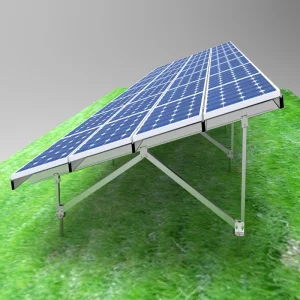
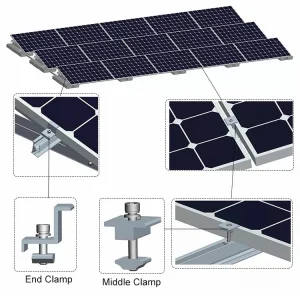
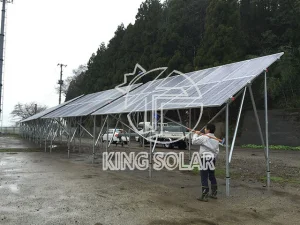
Premium ground and pole mount structures optimized for high wind velocities and coastal anti-corrosion compliance.
As the twin-island nation of Antigua and Barbuda targets a aggressive 100% renewable energy generation capacity by 2030, the spatial and meteorological realities of the Caribbean present unique engineering hurdles. Under the National Energy Policy, reducing reliance on imported heavy fuel oil requires rapid PV deployment. However, land space constraints, flat concrete roof weight limits, and vulnerable coastal topography make utility and off-grid solar planning a high-stakes balance.
Solar pole mounting systems have emerged as a critical architectural solution in this landscape. By isolating solar arrays on single or dual steel-reinforced columns, EPC developers bypass complex ground leveling, avoid high-cost land grading, and raise critical electrical components above storm surges and localized flooding zones. Whether deploying municipal solar installations near St. John's or decentralized microgrids on Barbuda, selecting structurally sound pole mounts is not merely a design preference—it is a baseline viability requirement.
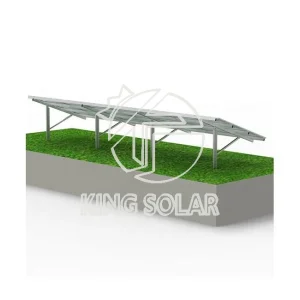
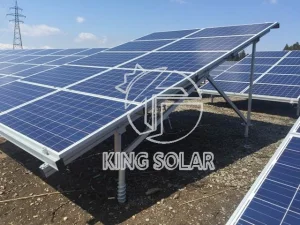
On a global scale, the industrial solar landscape is pivoting toward adaptable, highly reliable ground mounts. While tracker systems dominate massive continental flatlands, pole mounts are the gold standard for irregular terrains, small-scale commercial setups, remote telecom stations, and community-level agricultural PV systems. In areas where local soil conditions are unstable, single-pole designs with deep foundation options (helical screw piles, concrete ballast, or direct driven posts) offer significant geotechnical adaptability.
International engineering consulting firms now prioritize modularity, ease of assembly, and pre-machined parts to minimize on-site labor overheads. In regions like the Caribbean, where heavy specialized crane machinery can be scarce and expensive to rent, lightweight but structural grade alloys (like anodized AL6005-T5) combined with optimized steel components reduce installation time by up to 40%.
Proximity to the Atlantic Ocean means atmospheric salinity levels in Antigua and Barbuda are constantly elevated, accelerating standard rust and galvanic corrosion. Standard untreated steel or poorly galvanized structures fail within 3 to 5 years, resulting in system structural compromise.
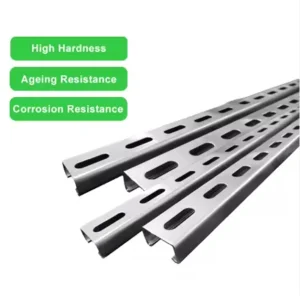
To maintain utility assets over a 25-year lifespan, all steel components must undergo hot-dip galvanization (HDG) conforming to ISO 1461 standards, maintaining a minimum zinc coating thickness of 85 microns. Aluminum components utilize high-strength structural grade AL6005-T5 with an anodized surface treatment (minimum AA15 thickness class) to form an impermeable protective oxide barrier. Additionally, isolating washers and stainless steel SUS304 fasteners are utilized to prevent galvanic corrosion where steel meets aluminum.
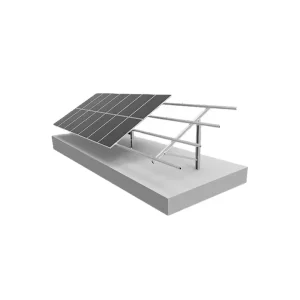
Engineered hardware and custom foundations designed to guarantee structure safety under extreme uplift forces.
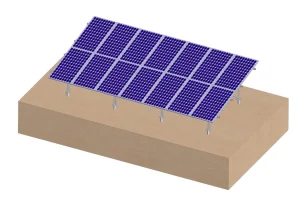
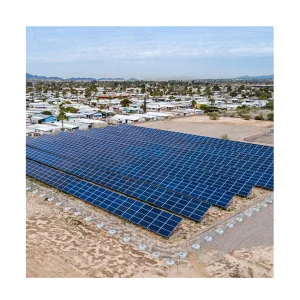
Sourcing solar pole mounts directly from Xiamen Trike Solar Co., Ltd. in China delivers a crucial balance of cost and engineering excellence. The Xiamen manufacturing cluster represents one of the world's most advanced logistics and materials processing hubs for solar structural components.
Trike Solar operates a state-of-the-art facility spanning over 2,000 square meters. The plant utilizes high-precision automated CNC aluminum profile cutting systems, high-capacity punching machines, structural steel bending lines, and robotic welding stations. Automated precision ensures that tolerances are kept within ±0.2mm—eliminating alignment issues during on-site assembly in remote locations like Jolly Harbour or Barbuda.
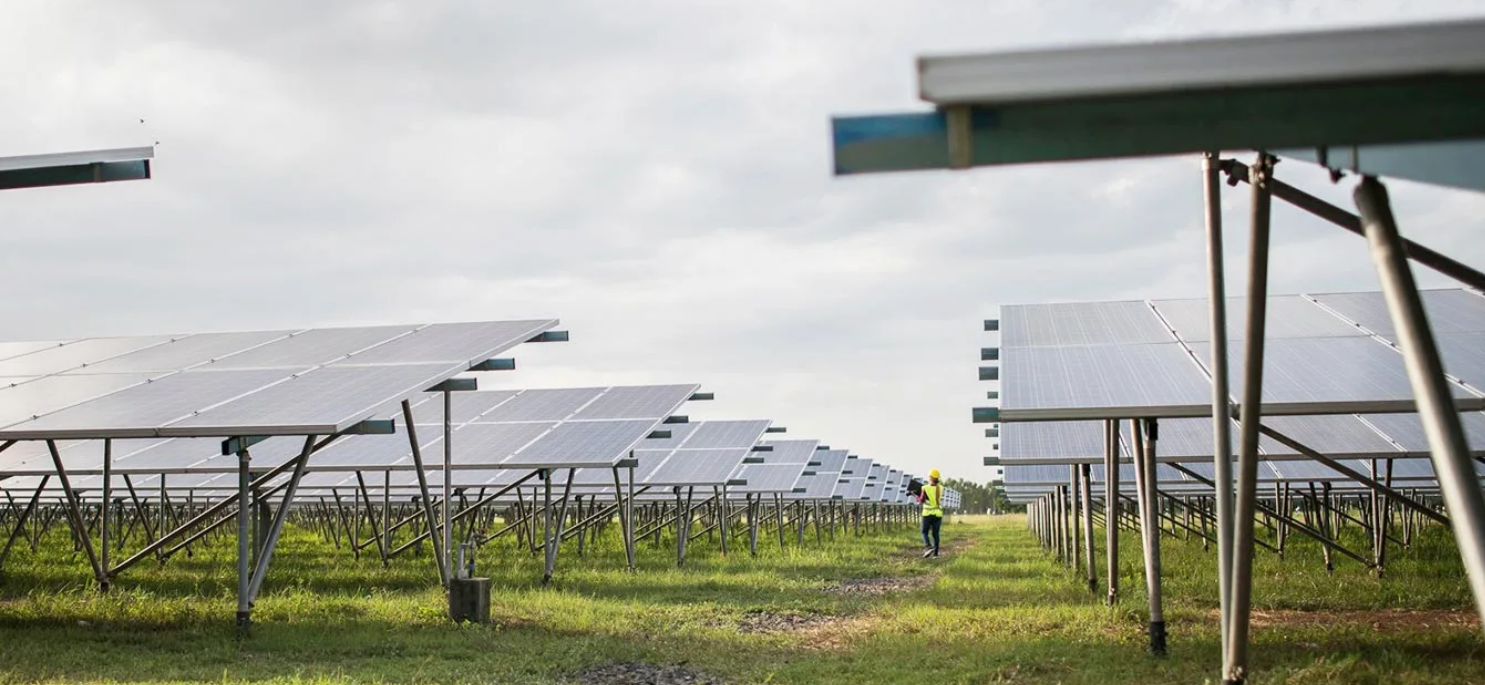
As a leading high-tech enterprise based in Xiamen, China, Trike Solar specializes in the development, manufacturing, and sales of solar mounting structures. Our core mission is "Protecting the Ecological Environment and Building a Renewable Future." We are committed to engineering cost-effective, easy-to-install, and code-compliant solar products that withstand severe environmental stresses.
With a highly specialized team of structural and mechanical engineers possessing more than a decade of experience in solar structural engineering, we design custom systems that optimize efficiency, load margins, and ROI for residential, commercial, and utility-scale installations.
By optimizing raw material sourcing from regional smelters and employing lean manufacturing practices, Trike Solar passes on direct cost savings to exporters and international distributors. A streamlined supply chain from Xiamen Port offers straightforward shipping corridors to Caribbean hubs, minimizing transit times, duty-cleared friction, and demurrage risks.
Developing infrastructure in Caribbean island ecosystems requires understanding specific local application scenarios:
For global procurement managers, purchasing solar racking components involves analyzing several critical engineering parameters:
1. Structural Calculations: Always demand structural calculations certified by qualified engineers. Ensure these documents explicitly state localized wind ratings, dead loads, live loads, and snow/wind combinations according to ASCE 7-16 or regional equivalents.
2. Material Certifications: Request material mill test certificates confirming the exact grades of aluminum (AL6005-T5) and steel (Q235B or Q355B), as well as zinc coating thickness verification.
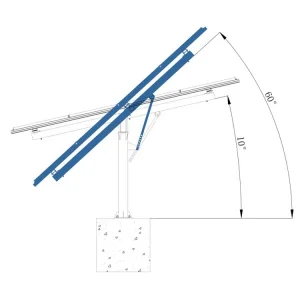
3. On-site Adjustability: Look for systems offering adjustable tilt angles (ranging from 10° to 45°). Dynamic adjustment maximizes irradiance collection across changing seasons close to the equator.
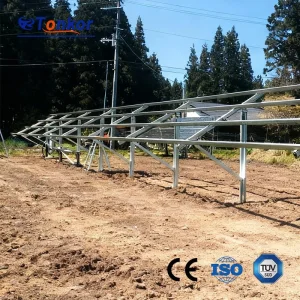
Engineered to international standards (ISO/TUV/CE) for durable, secure mounting across all soil conditions.
We resolve the key technical queries faced by structural engineers, developers, and procurement agents planning microgrids or commercial PV solar installations in the Caribbean.
Protect your renewable energy investments from structural failures. Speak with our structural engineers to request detailed calculations, custom layout proposals, and project-specific factory price quotes.
Send Inquiry Now Trike Solar