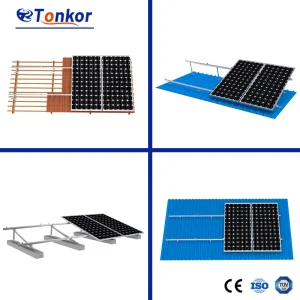
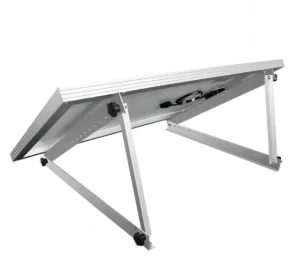
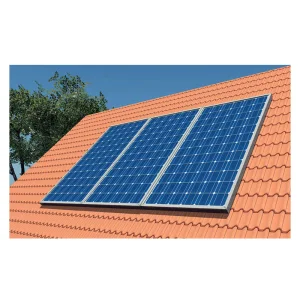
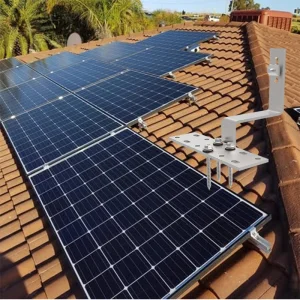
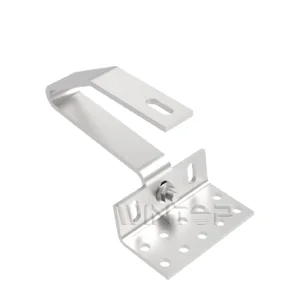
Solar Tile Roof Mount Manufacturers & Factories for Latvia

Precision-Engineered PV Mounting Systems Optimized for Baltic Snow Loads, Structural Rigidity, and European Building Code Standards

Latvia's Solar Expansion & Localized Structural Integration

Latvia, situated within the Baltic region, is executing a rapid energy transformation under its National Energy and Climate Plan (NEKP 2030). The drive to reduce dependency on imported fossil fuels has triggered an unprecedented surge in residential and commercial photovoltaic (PV) installations. However, retrofitting solar systems onto the country's historic and modern roofs poses unique architectural and structural challenges.

The predominant roofing styles in Latvia's urban areas like Riga, Jurmala, and Liepāja include traditional clay tiles (māla dakstiņi), concrete tiles (betona dakstiņi), and slate tiles (šīfera jumti). These roofs are designed to withstand significant environmental strain. Consequently, specifying a solar tile roof mount system in Latvia requires a rigorous engineering approach that respects the local climate—characterized by heavy snow loads (often exceeding 1.5 kN/m² in the inland zones) and coastal wind forces from the Baltic Sea.

For solar EPC contractors and developers in the Baltic region, structural integrity is paramount. Using subpar mounting brackets leads to structural sagging, compromised roofing tiles, and catastrophic water leakage during the spring thaw. The local demand has shifted decisively from generic mounting brackets to specialized, highly adjustable, heavy-duty solar tile hooks that can distribute loads effectively without compromising the building's water-tightness.
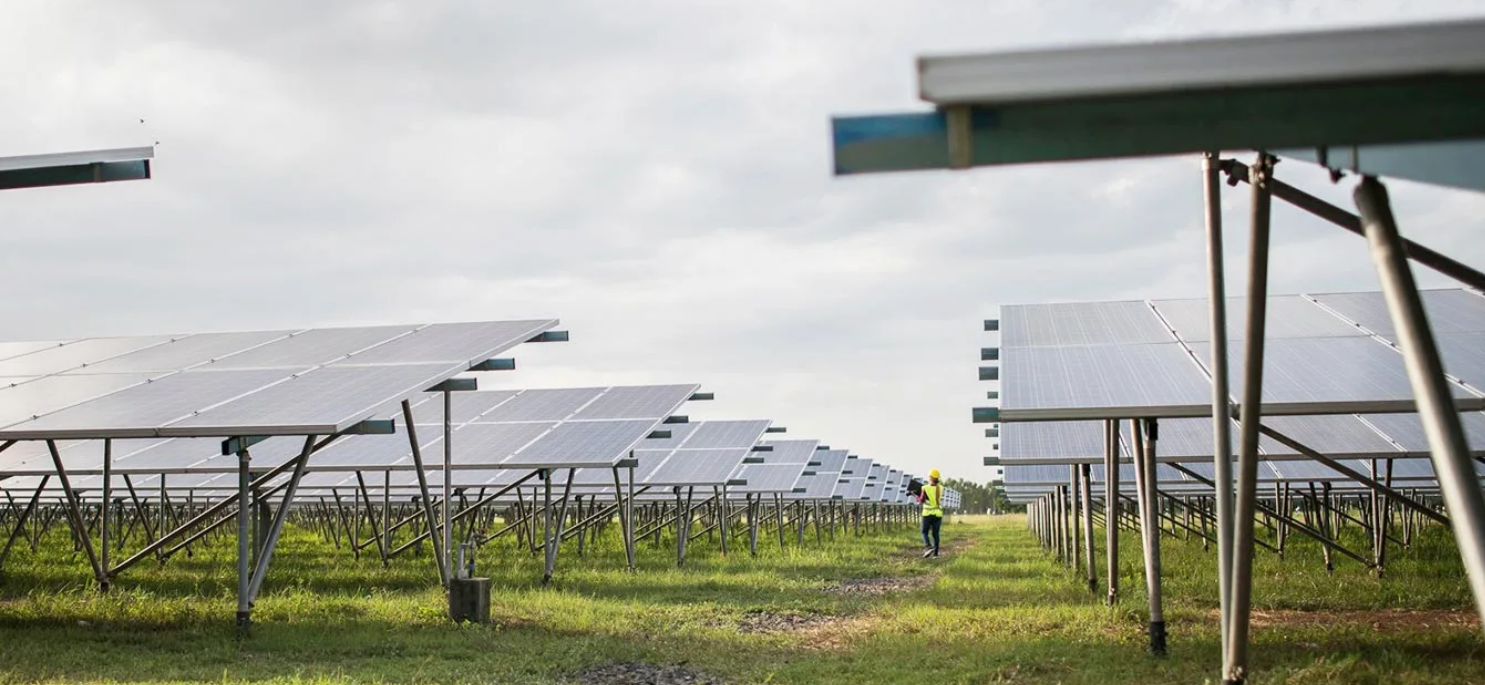
Trike Solar Manufacturing Facility

Trike Solar Advanced Production and Automated Assembly Facility

100+
Global Countries Served
10+ Yrs
Average Team Experience
2000m²+
Advanced Manufacturing Area
1.8 kN
Baltic Snow Load Capacity

Technical Roadmap: Adapting PV Mounts for the Baltic Environment

Engineers at Xiamen Trike Solar Co., Ltd. design solar roof hooks specifically engineered to meet these environmental constraints. By choosing premium raw materials such as anodized AL6005-T5 aluminum and SUS304 stainless steel, our hardware provides high mechanical strength alongside excellent corrosion resistance. In Latvia, coastal humidity and salinity call for C4 and C5-M high-corrosion protection standards. Our systems are optimized to meet these levels, ensuring a lifespan of over 25 years without structural degradation.

"Under Eurocode 1 (Actions on structures - snow loads EN 1991-1-3 and wind loads EN 1991-1-4), solar racking systems must withstand specific regional combinations of wind uplift and snow accumulation. Trike Solar's customized bracket designs optimize stress distribution, transferring forces directly to the roof rafters rather than the fragile roofing tiles."

High-Load Architectural Mounts

Specialized Racking Systems for Baltic Slate & Concrete Tiles

Heavy-gauge SUS304 hooks and modular aluminum brackets designed to minimize installation time while maintaining the physical integrity of pitched roofs.
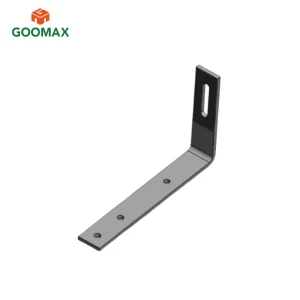
Supply Chain Resilience: China's Manufacturing Advantage for Baltic EPCs

In the highly competitive solar sector, supply chain delays can result in significant project cost overruns. Working with Xiamen Trike Solar Co., Ltd. gives Latvian contractors direct access to a vertically integrated Chinese manufacturing facility. Our factory spans over 2,000 square meters and is equipped with advanced automated production equipment. This setup enables high-volume manufacturing with rapid lead times, bypassing intermediary distribution markups.

Our facility operates automated aluminum profile cutting lines, high-precision laser cutting machinery, stamping setups, and advanced CNC tooling machines. Because we control the extrusion, machining, and surface treatments under one roof, we achieve precise tolerances and product consistency. This quality control ensures that when hooks, rails, and mid/end clamps arrive on a job site in Latvia, they assemble smoothly without the need for manual adjustments.

Quality Control & Engineering Standards:

  • Raw Material Verification: Grade 6005-T5 Aluminum & SUS304 Stainless Steel with trace element mill certificates.
  • Precision Stamping and Laser Cutting: Tolerance control within ±0.2mm for secure fitment on rafters.
  • Advanced Surface Finish: Minimum 15-micron anodization thickness on aluminum rails to prevent white rust.
  • In-House Tensile Strength & Pull-Out Load Tests: Exceeding Baltic standard snow and wind load requirements.
  • Rigorous Quality Management: Multi-stage QC from raw material incoming inspection to final packaged assembly.
  • Strict Regulatory Compliance: Designed in accordance with TUV, MCS, and EN Eurocode 9 structural integrity directives.

Global Experience with Deep Localized Support

With an international reach spanning over 100 countries, Trike Solar has engineered mounting solutions for diverse climates—from the high wind zones of Southeast Asia to the freezing winters of Northern Europe. Our global experience ensures we understand the logistics and compliance requirements of Baltic projects. We coordinate directly with freight forwarders to manage shipping to key ports such as Riga, Ventspils, and Liepāja. Additionally, our engineering team provides comprehensive mechanical simulation data and AutoCAD drawings for local regulatory approvals.

Knowledge Hub & FAQ

Technical and Architectural Procurement Clarifications

Addressing the technical, structural, and logistics questions commonly asked by Latvian solar installers and EPC coordinators.

1. Why is hook thickness critical for solar tile mounts in Latvia?
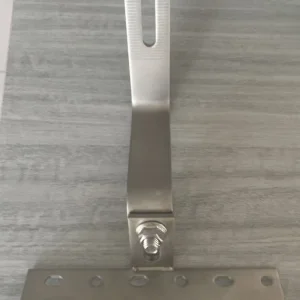
In Latvia, winter snow accumulation places substantial vertical weight on solar arrays. Thin or low-quality metal hooks (under 4mm) can flex under load, pressing directly onto the roofing tiles below and causing them to crack. Trike Solar manufactures high-strength SUS304 hooks with thicknesses of 4mm, 5mm, and 6mm. These brackets feature specialized structural gussets designed to transfer weight directly to the building's wooden rafters, keeping the roofing tiles free from mechanical load.
2. How does the system handle high-wind coastal conditions (e.g., Liepāja and Ventspils)?
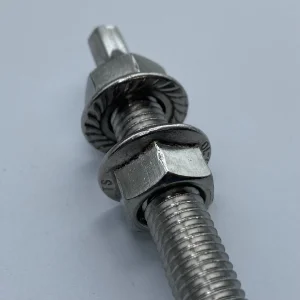
Wind speeds in coastal Latvia can reach up to 26 m/s, creating strong uplift forces on solar panel arrays. Our systems are engineered in accordance with Eurocode 1 (EN 1991-1-4). By utilizing high-tensile AL6005-T5 rails and robust M8/M10/M12 fasteners, we ensure the structural safety of the system under high wind loads. This design helps prevent fastener pull-out and deformation during stormy conditions.
3. Are your components compatible with different clay and concrete tile profiles used in the Baltics?
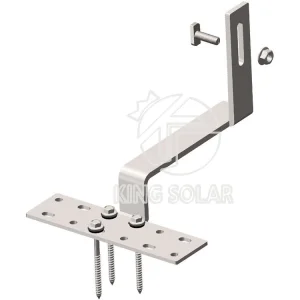
Yes. European tile roofs feature a wide variety of profile heights and shapes. To address this, we design height-adjustable tile hooks. Our adjustable brackets allow installers to align the mounting rails horizontally even when the roof plane is uneven. The base of the hook is adjustable laterally and vertically, ensuring a clean fit over different tile styles without the need to cut or grind the tiles excessively.
4. What is the typical lead time and shipping route from Trike Solar to Riga, Latvia?
Standard production times at our Xiamen factory average 15 to 20 days, depending on order size. Shipping from Xiamen Port to the Port of Riga generally takes between 35 to 45 days. We provide complete sea freight support, including custom packing, palletization, export customs clearance, and all necessary documentation (e.g., Bills of Lading, Certificates of Origin, and Packing Lists) to ensure smooth customs clearance in Europe.
5. Do your mounting structures comply with local European building standards?
Absolutely. Trike Solar designs and manufactures all mounting components in compliance with European standards, including Eurocode 9 (EN 1999 for aluminum design) and Eurocode 3 (EN 1993 for steel structural design). Our products hold certifications from MCS and TUV, ensuring compliance with local Latvian building codes and enabling standard approvals for commercial and industrial grid-connected solar installations.
6. What anti-corrosion protection is used to withstand Baltic winters?
We use premium AL6005-T5 aluminum with an anodized surface layer (thickness of ≥ 15 microns), providing strong resistance to atmospheric oxidation. All steel components, including the tile hooks, are made from SUS304 stainless steel. This combination prevents galvanic corrosion between dissimilar metals and ensures the structural systems remain corrosion-free in damp Baltic coastal zones.
7. Can Trike Solar provide customized engineering designs for historic buildings in Riga?
Yes. Historic structures in Riga require mounting systems that minimize changes to the roof structure while preserving the building envelope. Our engineering team can design custom mounting configurations using CAD/3D software and run mechanical simulations based on structural drawings. This helps ensure that the mounting hardware conforms to the requirements of municipal preservation bodies.
8. What are the payment terms and ordering procedures for OEM/wholesale buyers?
For direct factory wholesale orders, we typically work with a 30% T/T deposit, with the remaining 70% due upon presentation of the Bill of Lading (B/L). We also accept L/C for larger commercial projects. Once we receive your initial request, our engineers will review your drawings, provide a bill of materials (BOM), and supply a custom quotation. Samples can also be shipped via express air freight for quality verification prior to bulk production.

Initiate Your Latvian Solar Procurement Today

Partner directly with a leading manufacturer. Contact our technical sales team for custom engineering designs, structural load calculation reports, and factory-direct pricing for your Baltic projects.

Send Inquiry Now