💡
Frequently Asked Questions
What materials are used for the floating solar mounting system?
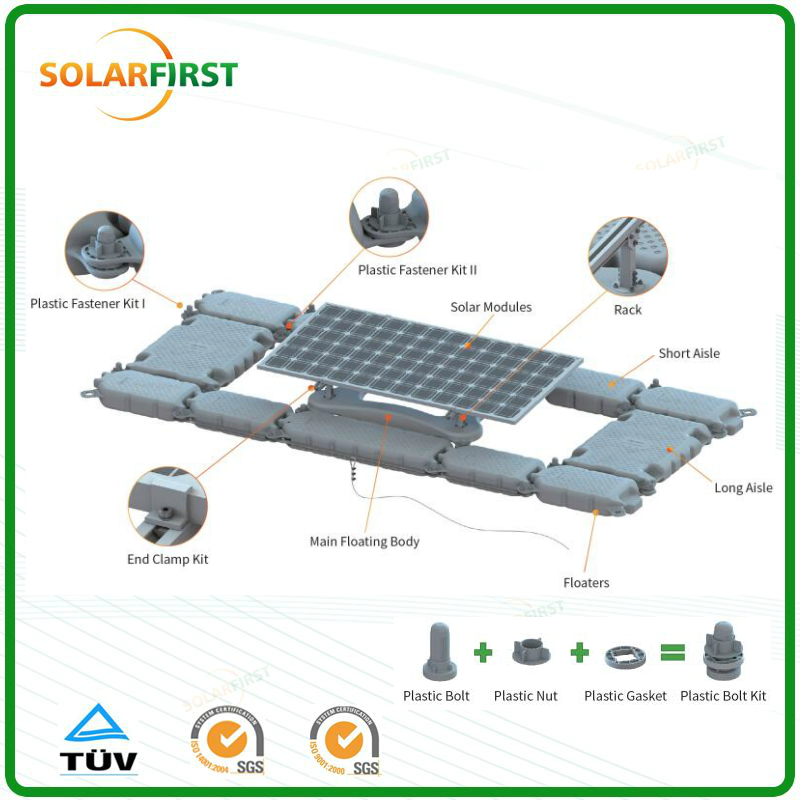
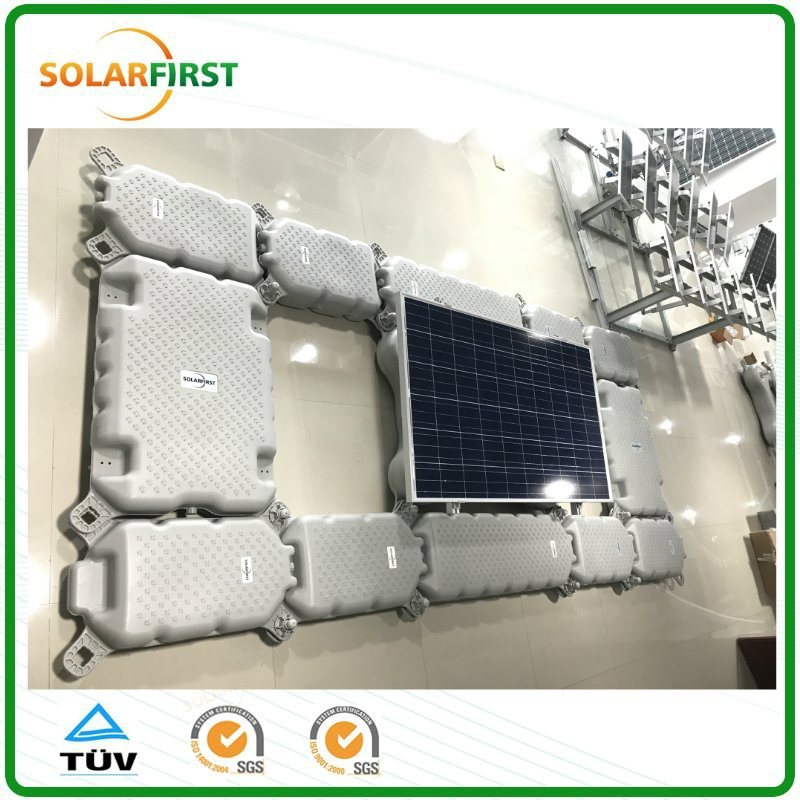
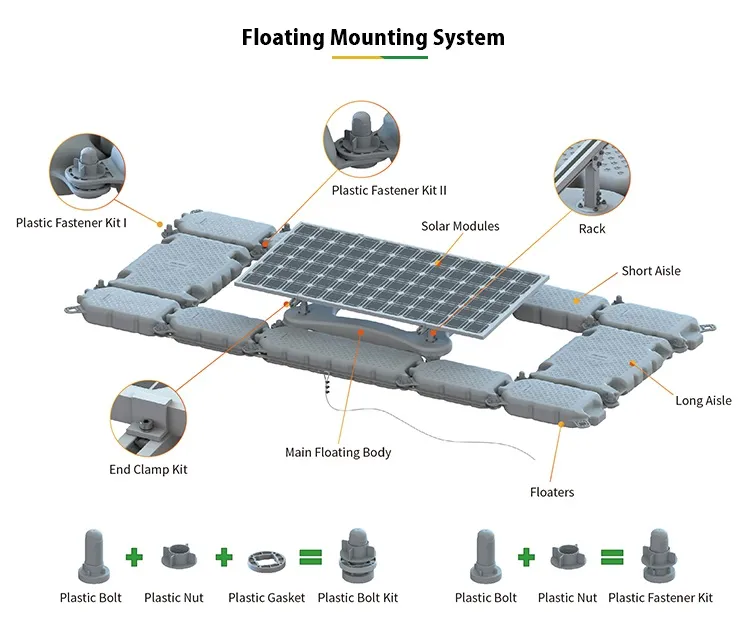
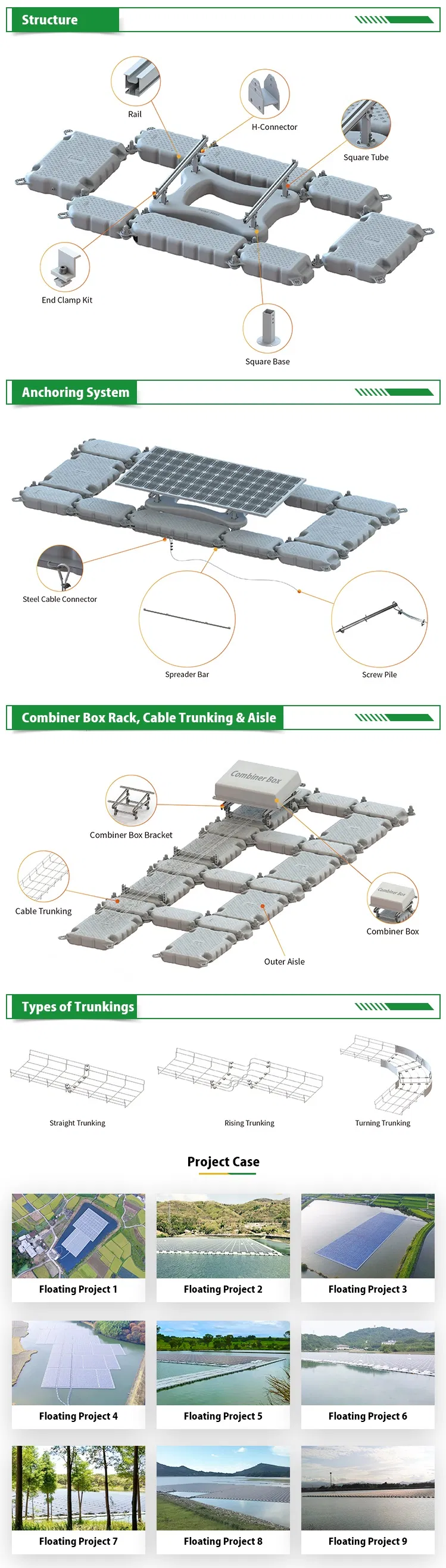
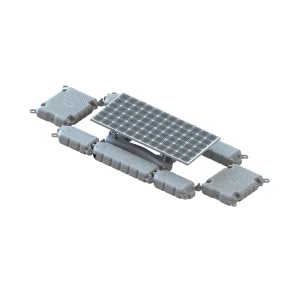
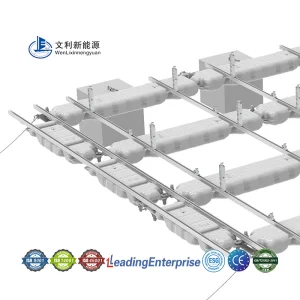
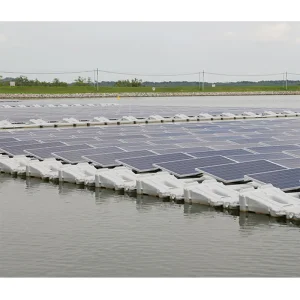
The system primarily uses high-density polyethylene (HDPE) for the floats, combined with Al6005-T5 aluminum and SUS304 stainless steel for structural components to ensure durability and corrosion resistance.
Where can these floating solar systems be installed?
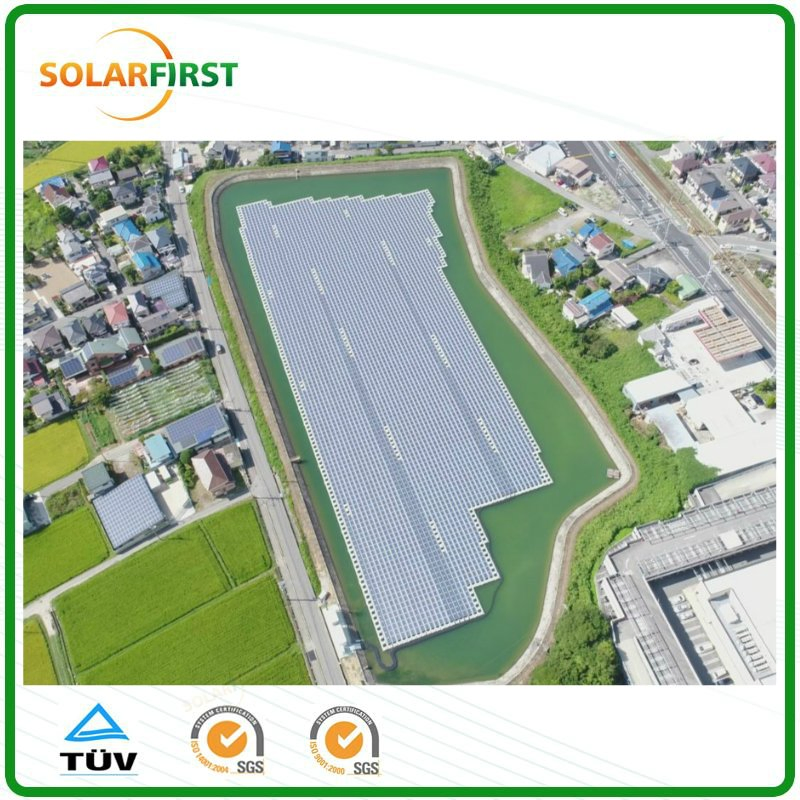
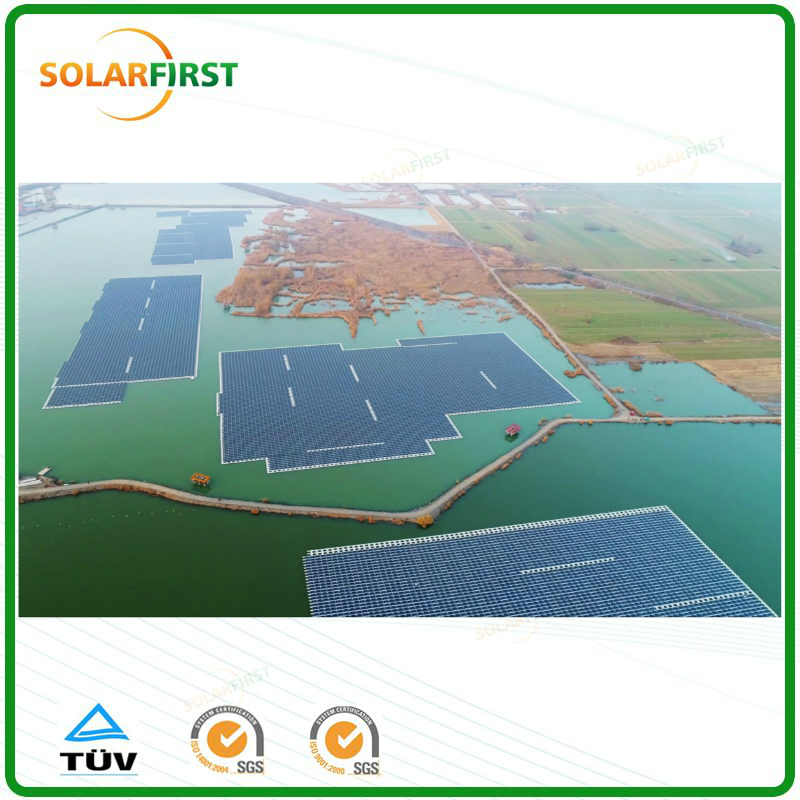
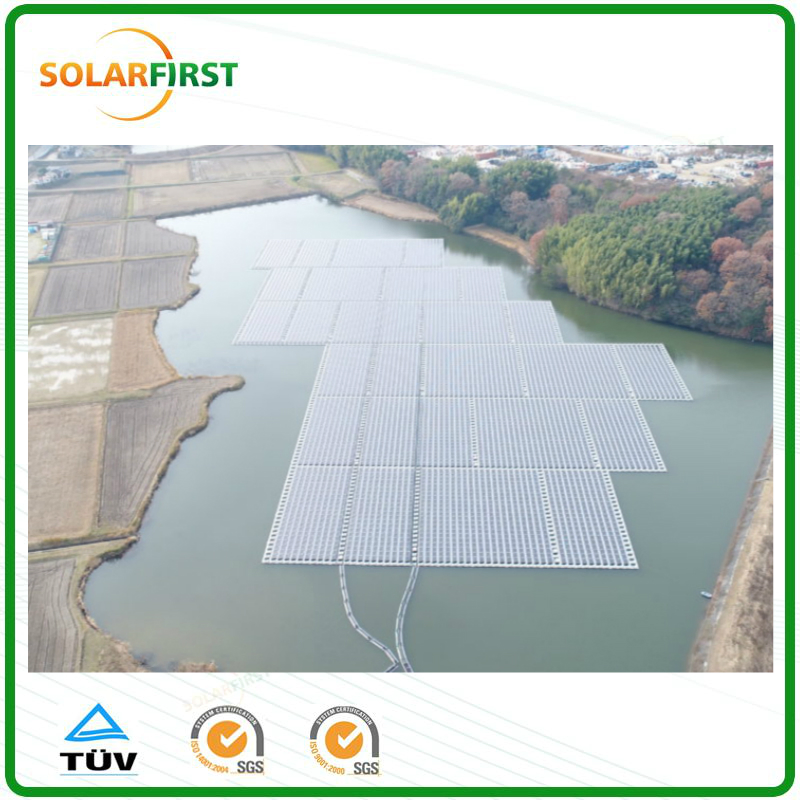
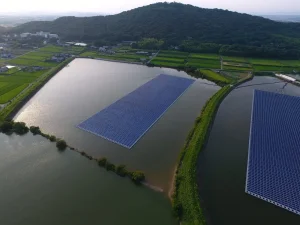
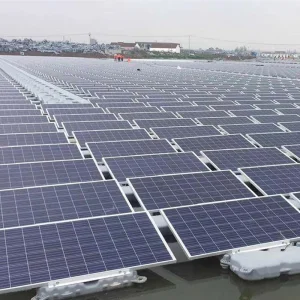
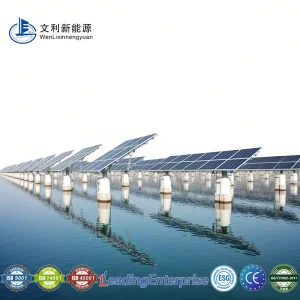
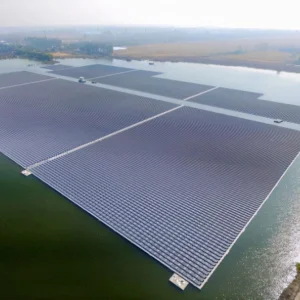
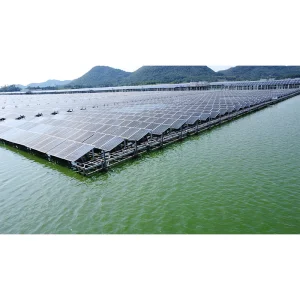
These systems are designed for water surfaces such as lakes, reservoirs, dams, ponds, and calm sea areas. They are suitable for various water flow conditions up to 0.51m/s.
Can the system withstand extreme weather conditions?
Yes, the floating mounting is engineered to handle a maximum wind load of 60m/s and a snow load of up to 1.4kN/M2, ensuring stability in harsh environments.
What is the expected service life of the HDPE floats?
The floating solar mounting system comes with a 10-year warranty and is designed for a service life of up to 25 years.
Are the tilt angles customizable for different regions?
Absolutely. While standard tilt angles are 10 or 15 degrees, the system supports a range of 0~25° to optimize solar energy absorption based on the specific installation site's latitude.
What international standards does this system meet?
The system complies with several major standards including BS6349-6, T/CPIA 0017-2019, and GBT 13508-1992, ensuring high quality and safety for water-based solar farms.